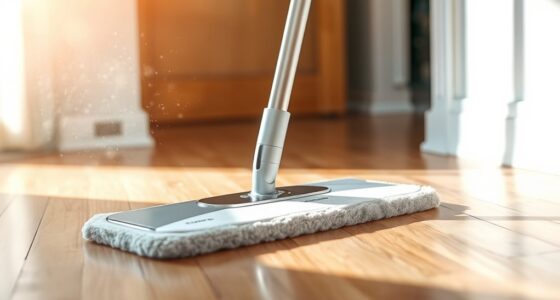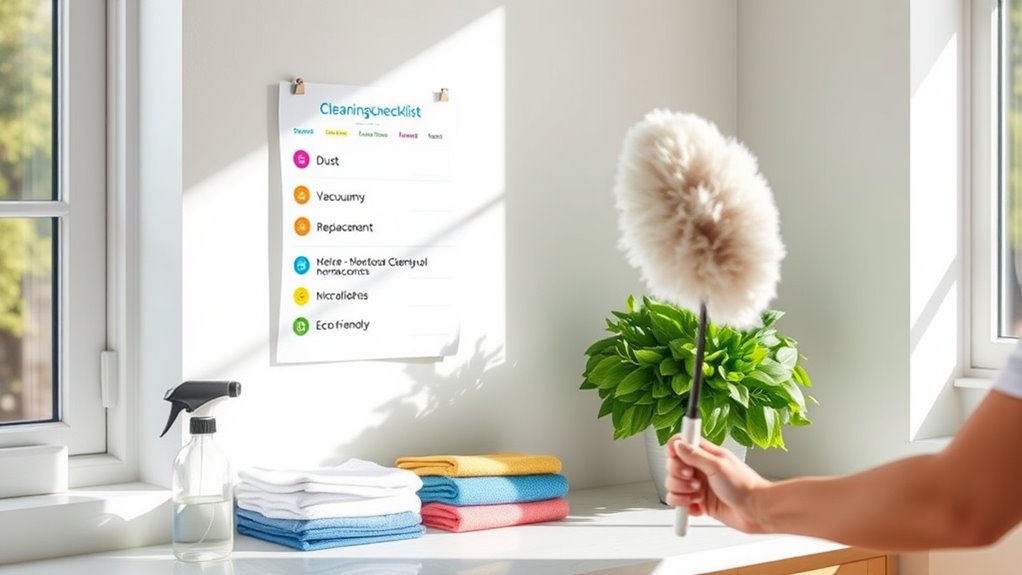

To create effective seasonal cleaning checklists for allergy sufferers, focus on tasks that reduce allergens each season. Spring is great for deep cleaning, washing curtains, and vacuuming with HEPA filters. Summer means keeping windows closed during pollen season and dusting often. Fall involves inspecting and replacing air filters and cleaning HVAC systems. Winter benefits from humidifying and regular dusting. Keep up with these routines year-round, and if you continue exploring, you’ll find expert tips to further improve your indoor air quality.
Key Takeaways
- Implement seasonal cleaning routines focusing on dust removal, washing bedding, and deep cleaning carpets to reduce allergen buildup.
- Regularly inspect and replace air purifier filters during high pollen seasons to maintain optimal allergen filtration.
- Use fragrance-free, allergy-friendly cleaning products for dust-prone surfaces like upholstery, curtains, and bedding.
- During spring, deep clean to eliminate pollen, dust mites, and mold; in fall, clean HVAC systems to prevent dust circulation.
- Maintain consistent dusting and vacuuming year-round, especially during high allergy seasons, to improve indoor air quality.

Keeping your home clean throughout the year can feel overwhelming, but breaking it down into seasonal checklists makes the task more manageable. When it comes to allergy sufferers, focusing on specific cleaning tasks each season helps reduce allergens and improve indoor air quality. One of the most effective ways to do this is by prioritizing air purifier maintenance. Regularly checking and replacing filters ensures your air purifier continues to trap dust, pollen, pet dander, and other airborne allergens. This is especially vital during high pollen seasons or when indoor air feels heavy. Make it a habit to inspect your air purifier every few months, clean the exterior, and swap out filters as recommended by the manufacturer. Doing so dramatically improves the air quality and eases allergy symptoms.
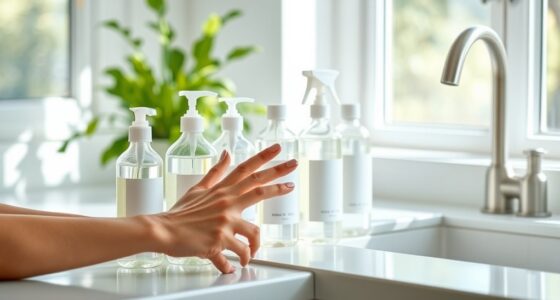
In addition to maintaining your air purifier, using allergy-friendly cleaning products is essential. Conventional cleaners often contain harsh chemicals that can irritate sensitive airways or worsen allergy symptoms. Instead, opt for cleaning products specifically designed for allergy sufferers—these are usually free of fragrances, dyes, and volatile organic compounds (VOCs). You’ll find many eco-friendly, allergy-friendly options on the market that effectively eliminate dust and allergens without compromising your health. Incorporate these products into your seasonal cleaning routine, focusing on surfaces where dust and allergens tend to settle, such as carpets, upholstery, and bedding.
Spring cleaning is an excellent opportunity to give your home a deep clean, including washing curtains, vacuuming carpets with a HEPA filter vacuum, and wiping down walls and ceilings. These tasks reduce the buildup of pollen and dust mites. During summer, keep windows closed during peak pollen times and continue frequent dusting. Fall cleaning should include inspecting and cleaning air filters and HVAC systems to prevent mold and dust from circulating indoors as you turn on heating. In winter, focus on humidifying your home properly to prevent dry air that can irritate allergies, and keep up with regular dust removal.
Frequently Asked Questions
How Often Should I Replace Air Filters During Seasonal Cleaning?
You should replace your air filters every 1 to 3 months, depending on the air filter lifespan and your home’s needs. During seasonal cleaning, stick to a seasonal replacement schedule to maintain good air quality. If you have allergies, consider changing filters more frequently, especially during high pollen seasons. Regular replacement helps reduce allergens and improves your HVAC system’s efficiency, ensuring cleaner air year-round.
Are Natural Cleaning Products Better for Allergy Sufferers?
Yes, natural cleaning products are better for allergy sufferers because they contain natural ingredients that reduce exposure to harsh chemicals. These ingredients help minimize allergic reactions and chemical sensitivities, making your home safer and more comfortable. When choosing cleaning products, look for labels that specify natural or allergy-friendly ingredients. Using natural options regularly can improve indoor air quality and support your allergy management efforts.
What Are the Best Allergy-Friendly Cleaning Tools?
You need allergy-proof vacuuming tools and hypoallergenic cleaning tools for effective allergy management. These tools reduce dust, pet dander, and allergens without releasing irritants into the air. Look for vacuums with HEPA filters and lightweight, non-toxic cleaning brushes. While traditional tools may stir up allergens, these allergy-friendly options trap particles better, making your cleaning routine safer and more effective. Remember, the right tools make all the difference in allergy relief.
How Can I Prevent Mold Growth After Cleaning?
To prevent mold growth after cleaning, you should use mold-resistant materials where possible, like mold-resistant paint or drywall. Keep moisture levels low by practicing moisture control techniques, such as fixing leaks promptly and running dehumidifiers in damp areas. Guarantee proper ventilation by opening windows or using exhaust fans. Regularly check for hidden moisture or condensation, and dry all cleaned surfaces thoroughly to inhibit mold from returning.
Should I Hire Professional Cleaners for Seasonal Allergy Cleaning?
You should consider hiring professional cleaners for seasonal allergy cleaning if DIY tips aren’t enough to eliminate allergens. They have specialized equipment and expertise to thoroughly clean carpets, vents, and other hidden areas. Do a cost analysis to compare expenses, but remember, investing in professionals can save you time and ensure a more allergen-free home. If allergies persist despite DIY efforts, professional cleaning can make a significant difference.
Conclusion
Now that you’ve got your seasonal cleaning checklist, you’re ready to tackle allergy triggers head-on. But remember, allergens can hide where you least expect—behind walls, deep in carpets, or inside vents. Are you prepared for the surprises that might still lurk? Keep your home allergy-free all year long by staying vigilant and updating your plan each season. The next step? Discover the unexpected places allergens hide and learn how to eliminate them for good.