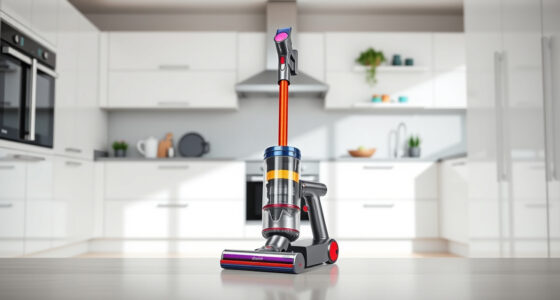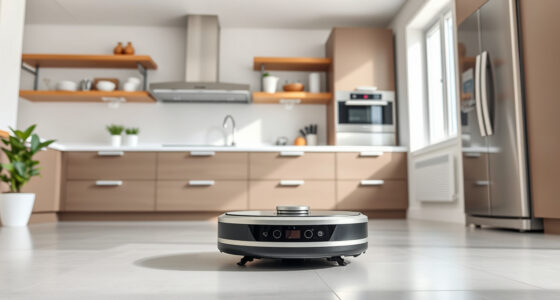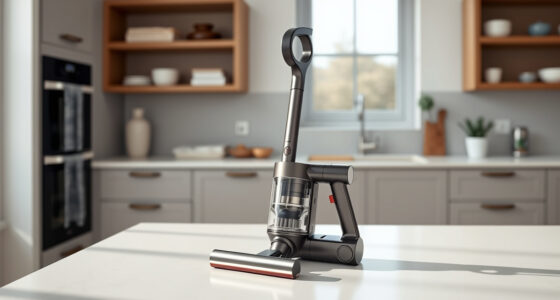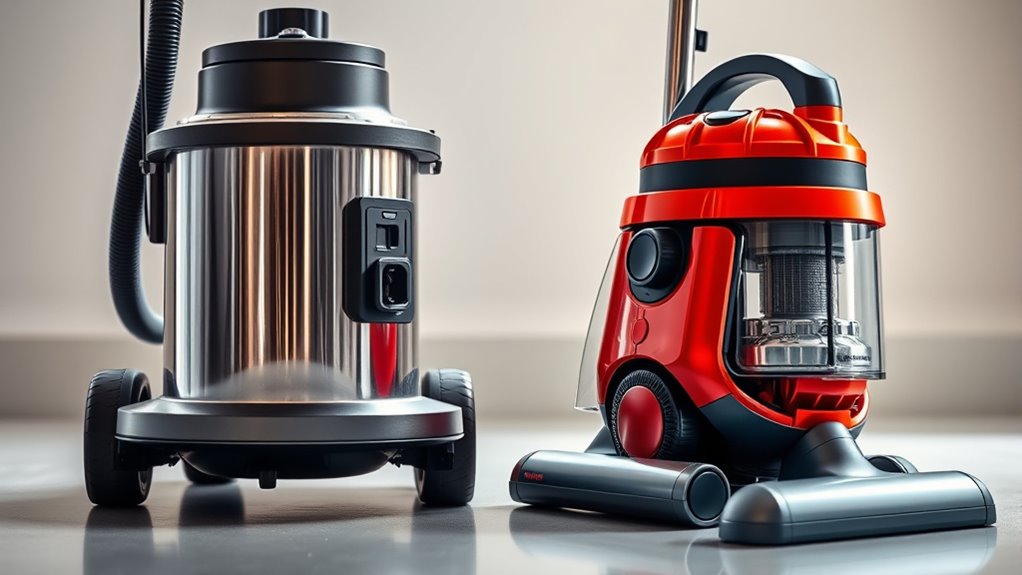

When comparing commercial vs household vacuums, it’s all about your cleaning needs. Commercial vacuums are built for heavy-duty use, offering durability, power, and efficiency for large spaces. They’re great for constant operation. On the other hand, household vacuums are lighter and perfect for regular cleaning at home but may not hold up under frequent use. If you want to learn more about their differences and find the right one for you, keep exploring!
Key Takeaways
- Commercial vacuums are built for heavy-duty use, while household vacuums are designed for lighter, infrequent cleaning tasks.
- Durability is a significant factor; commercial vacuums withstand constant operation better than household models.
- Portability differs; commercial vacuums are bulkier and less maneuverable in tight spaces compared to lightweight household vacuums.
- Suction power varies; commercial vacuums typically offer stronger suction for heavy debris, while household vacuums suffice for everyday cleaning.
- Cleaning environments matter; commercial vacuums are ideal for large spaces, while household vacuums excel in home settings.

When you’re deciding between a commercial and a household vacuum, it’s essential to understand their key differences. The choice you make can profoundly impact your cleaning experience and the results you achieve. One of the most significant factors to consider is durability. Commercial vacuums are designed for heavy-duty use, built to withstand the rigors of constant operation. If you’re in a business setting, like a restaurant or retail store, you’ll appreciate how these machines can handle high volumes of dirt and debris without breaking down. They often feature sturdier materials and components that can endure wear and tear over time, making them a reliable investment for your cleaning needs.
On the other hand, household vacuums are typically designed for lighter use. While they can effectively clean your home, they may not have the same longevity as commercial models. If you’re only vacuuming a few times a week, a household vacuum may suffice, but you might find it less durable if you use it extensively. So, if you expect to give your vacuum a workout, you might want to lean toward a commercial option for that added durability.
Another critical difference is portability. Commercial vacuums tend to be heavier and bulkier, designed for stability and efficiency in large spaces. While that’s great for cleaning expansive areas, it can pose a challenge when you need to navigate tight corners or carry the vacuum up and down stairs. If you’re cleaning a large office or warehouse, you might appreciate the stability of a larger vacuum. However, if you’re primarily cleaning your home, a lightweight, portable household vacuum can make your life much easier, allowing you to move from room to room without feeling fatigued. Additionally, consider the suction power of each model, as this metric can significantly affect cleaning efficiency.

Oreck Commercial XL Vacuum Cleaner, Bagged Upright Vac, Lightweight
- Commercial Cleaning Power: Powerful suction for tough messes
- Lightweight Design: Weighs only 9 pounds for easy portability
- High-Speed Brush Roll: Provides deep carpet agitation and debris lifting
As an affiliate, we earn on qualifying purchases.
As an affiliate, we earn on qualifying purchases.
Frequently Asked Questions
How Often Should I Replace My Vacuum Filter?
You should replace your vacuum filter every 3 to 6 months for essential performance. Regular filter maintenance is vital to keep your vacuum running efficiently and to improve air quality. If you use your vacuum frequently or have pets, consider replacing it more often. Always check the manufacturer’s guidelines for specific recommendations, as this can influence the replacement frequency. Keeping your filter clean ensures your vacuum works effectively and lasts longer.
Are Bagless Vacuums Better Than Bagged Models?
Bagless vacuums can be better for you if you prefer convenience and lower ongoing costs. They often have larger dust capacities, allowing for longer cleaning sessions without emptying. However, they might produce more noise compared to bagged models, which tend to trap dirt and dust more effectively. If you’re sensitive to sound, consider how noise levels impact your cleaning experience before making a choice between bagless and bagged vacuums.
What Is the Average Lifespan of a Vacuum?
The average lifespan of a vacuum is typically around 5 to 10 years, depending on its durability and how often you use it. If you maintain it well, clean filters, and check for clogs, you can enhance its cleaning efficiency and extend its life. Investing in a quality model with robust construction can make a significant difference, ensuring you get the most out of your vacuum for years to come.
Can I Use a Commercial Vacuum at Home?
Absolutely, you can use a commercial vacuum at home. Think of it as bringing a heavy-duty warrior into your cleaning arsenal. While designed for commercial cleaning tasks, these vacuums often excel in household cleaning too, tackling dirt and debris with ease. Just keep in mind they might be bulkier and louder than typical household models. If you’re ready for powerful performance, a commercial vacuum could be a great fit for your home!
How Do I Maintain My Vacuum for Longevity?
To maintain your vacuum for longevity, focus on regular cleaning techniques. Empty the dustbin or change the bag frequently to prevent clogs and preserve vacuum durability. Clean or replace filters as needed, and check the brush rolls for hair or debris that can hinder performance. Inspect hoses for blockages and ensure all components are securely attached. By following these steps, you’ll keep your vacuum running efficiently and extend its lifespan.
Conclusion
In the battle of commercial versus household vacuums, it’s clear that each serves its purpose. If you’re tackling a bustling office or a busy retail space, a commercial vacuum’s durability and power will feel like a trusty steed racing through a medieval marketplace. On the other hand, for your cozy home, a household vacuum’s compact design and versatility make cleaning a breeze. So, choose wisely based on your needs, and keep your spaces spotless!