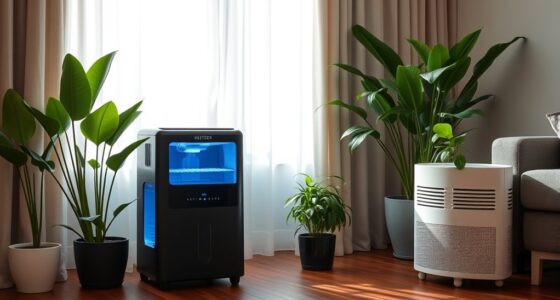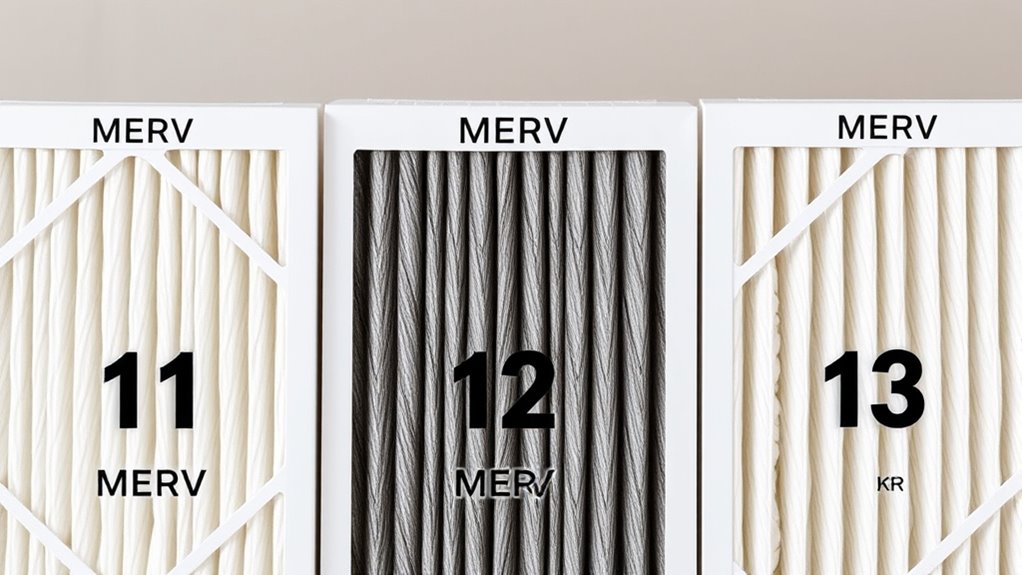

When choosing MERV 11–13 HVAC filters, consider your indoor air quality needs and your system’s specifications. These filters effectively trap allergens, pollen, and dust, improving your air quality. However, higher ratings can restrict airflow if your system isn’t designed for them. Balance filtration with system performance by following the manufacturer’s recommendations. Understanding these factors helps guarantee your home stays healthy and efficient—if you keep exploring, you’ll find advice to help you pick the best option.

Get cleaning gear delivered free — and shop member deals
- Fast, free delivery on millions of items
- Access to Prime Big Deal Days deals on October 6–7
- Prime Video, Amazon Music and more included
Key Takeaways
- MERV 11–13 filters effectively trap allergens, pollen, pet dander, and mold spores, improving indoor air quality.
- Ensure your HVAC system is compatible with higher MERV ratings to prevent airflow issues and system strain.
- Choose a MERV rating based on indoor air quality needs and system capabilities for optimal filtration and performance.
- Regularly replace or clean filters to maintain filtration efficiency and prevent energy waste or system damage.
- Balancing filtration efficiency with airflow requirements is essential for system longevity and indoor comfort.
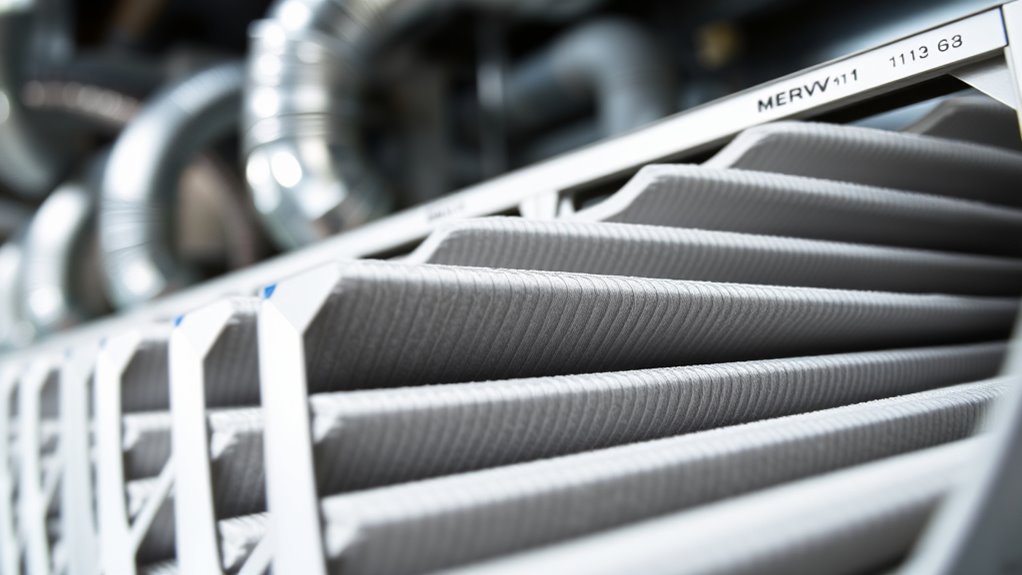
Understanding MERV ratings is vital when choosing HVAC filters because they directly impact indoor air quality and system performance. When selecting a filter, it’s important to consider how well it can remove airborne particles to keep your indoor environment healthy. MERV, or Minimum Efficiency Reporting Value, measures a filter’s ability to trap particles of different sizes. Filters rated between 11 and 13 are often recommended for residential and commercial spaces because they strike a good balance between filtration efficiency and airflow. These filters can capture finer particles like pollen, pet dander, dust mites, mold spores, and some bacteria, considerably improving air quality in your home or office.
Choosing the right MERV rating isn’t just about filtration; it also involves understanding how it affects your HVAC system. Higher-rated filters, like MERV 13, tend to have denser media, which can slow airflow if your system isn’t designed to handle it. This might lead to increased strain on your blower motor and reduced system efficiency if filter maintenance isn’t performed regularly. To avoid these issues, you should check your HVAC manufacturer’s recommendations. Using a filter with too high a MERV rating for your system can cause poor airflow, resulting in reduced heating or cooling performance and potential damage over time. Conversely, opting for a filter with a lower MERV rating might compromise indoor air quality, especially if you have allergies or respiratory conditions. Additionally, understanding air filtration efficiency helps you make informed decisions that balance comfort and system longevity.
Filter maintenance plays an integral role in maximizing the benefits of MERV 11–13 filters. Regularly replacing or cleaning your filter ensures that it continues to trap airborne particles effectively and prevents buildup that can hinder airflow. A clogged filter not only diminishes air quality but also forces your HVAC system to work harder, increasing energy consumption and wear on components. It’s recommended to check filters monthly, especially during peak usage seasons, and replace them when they appear dirty or as specified by the manufacturer. Proper filter maintenance ensures your system functions efficiently and that you maintain good indoor air quality.
As an affiliate, we earn on qualifying purchases.
Frequently Asked Questions
How Often Should MERV 11–13 Filters Be Replaced?
You should replace MERV 11–13 filters every 6 to 12 months, depending on your home’s air quality and usage. Regularly checking your filter’s lifespan helps guarantee ideal airflow and indoor air quality. If you notice dust buildup or reduced airflow sooner, consider replacing it more frequently. Proper replacement frequency keeps your HVAC system running efficiently and maintains healthy indoor air, preventing strain on your equipment.
Can Higher MERV Ratings Restrict Airflow in My System?
You might find that higher MERV ratings can cause some airflow restriction, especially if your system isn’t designed for such filters. This means filter maintenance is vital to prevent clogging and guarantee your system runs smoothly. Keep an eye on airflow and replace or clean filters as needed. Don’t throw the baby out with the bathwater—choosing the right filter rating means balancing filtration power with proper airflow for maximum comfort.
Are MERV 11–13 Filters Suitable for Allergy Sufferers?
Yes, MERV 11–13 filters are suitable for allergy sufferers because they improve air quality by capturing smaller particles like pollen, pet dander, and dust mites. These filters provide effective allergy relief by reducing airborne allergens, helping you breathe easier. Keep in mind that higher-rated filters may restrict airflow slightly, so make certain your HVAC system can handle the increased filtration without compromising performance.
Do MERV 11–13 Filters Impact Energy Efficiency?
If you install MERV 11–13 filters, airflow restriction might cause increased energy consumption. For example, a homeowner noticed their HVAC system worked harder after upgrading filters, leading to higher energy bills. These filters trap more particles, but they can also slow airflow, forcing your system to run longer. To balance air quality and efficiency, make certain your system is designed to handle these filters without substantially impacting energy use.
Are MERV 11–13 Filters Compatible With All HVAC Systems?
MERV 11–13 filters aren’t compatible with all HVAC systems, especially older models, because they can cause airflow restrictions that reduce efficiency and increase wear. You might notice a shorter filter lifespan or decreased system performance. Before upgrading, check your system’s specifications or consult an HVAC professional to make sure your system can handle these high-efficiency filters without compromising airflow or comfort.
Conclusion
Choosing the right MERV 11–13 filter is like finding the perfect filter for your coffee maker—you want clean, flavorful results without choking the machine. I once switched to a higher-rated filter, and my home’s air felt fresher instantly, much like upgrading a lens brings your photos into sharper focus. Remember, selecting the right filter improves air quality and system efficiency, so don’t settle for less. Your home’s breathing space deserves the best filter you can find.
Fall Picks
fall essentials
As an affiliate, we earn on qualifying purchases.