To allergy-proof your bedroom, start by using dust-mite covers on your mattress and pillows to create a barrier against allergens. Wash your sheets, pillowcases, and blankets weekly in hot water at least 130°F to eliminate dust mites and reduce allergen buildup. Maintaining a clean, dry environment with proper ventilation also helps, and replacing old bedding with hypoallergenic options further cuts allergens. Keep exploring for more tips to create a healthier, allergen-free sleep space.

Get cleaning gear delivered free — and shop member deals
- Fast, free delivery on millions of items
- Access to Prime Big Deal Days deals on October 6–7
- Prime Video, Amazon Music and more included
Key Takeaways
- Use dust-mite-proof covers on mattresses, pillows, and comforters to create a barrier against allergens.
- Wash bedding weekly in hot water (at least 130°F) to eliminate dust mites and other allergens.
- Ensure thorough drying of bedding to prevent mold growth and allergen buildup.
- Replace old pillows and comforters with hypoallergenic alternatives regularly.
- Maintain a clean bedroom environment by vacuuming with a HEPA filter and reducing humidity below 50%.
Are allergies making it hard to get a good night’s sleep? If so, you’re not alone. Allergens like dust mites can trigger sneezing, congestion, and itchy eyes, making restful sleep a distant dream. The good news is that you can substantially reduce these irritants by making simple changes to your bedroom environment. One of the most effective steps is investing in hypoallergenic bedding. These specially designed covers act as a barrier against dust mites and other common allergens, preventing them from settling into your mattresses, pillows, and comforters. When you seal your bedding with dust-mite covers, you’re locking out the tiny creatures that thrive in warm, humid environments, greatly lowering your allergen exposure.
Alongside hypoallergenic bedding, incorporating air purifiers into your bedroom setup can make a noticeable difference. High-efficiency particulate air (HEPA) filters in air purifiers trap airborne allergens, including pollen, pet dander, and dust mites, creating cleaner, fresher air to breathe. Running an air purifier regularly, especially during the night, helps reduce the concentration of allergens floating around your space. Combined with hypoallergenic bedding, air purifiers form a powerful duo that minimizes your allergen exposure and can lead to a deeper, more restorative sleep.
Consistency is key when allergy-proofing your bedroom. You should wash your bedding weekly in hot water—at least 130°F—to eliminate dust mites and other allergens. Regular washing keeps allergens from accumulating and keeps your sleeping environment fresh. Be sure to dry everything thoroughly to prevent mold growth, which can also trigger allergic reactions. If possible, replace old pillows and comforters with hypoallergenic options, as these materials tend to harbor fewer allergens over time. Additionally, choosing hypoallergenic materials for your bedding can further reduce allergen buildup and provide a healthier sleep environment.
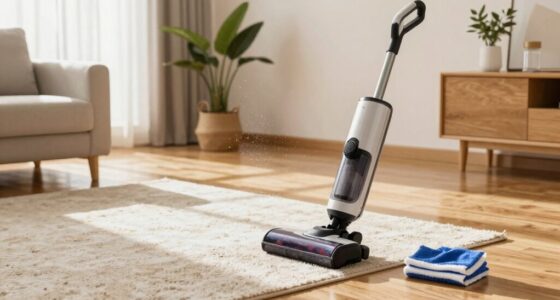
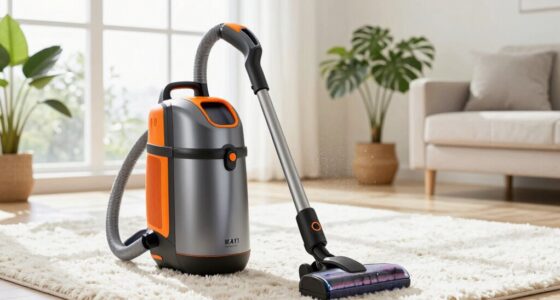
In addition to these measures, maintaining a clean bedroom environment is essential. Vacuum your carpets and rugs frequently using a vacuum equipped with a HEPA filter, and wipe down surfaces regularly to remove dust. Keep your bedroom well-ventilated, and consider using a dehumidifier to keep humidity levels below 50%, as dust mites thrive in humid conditions. By combining hypoallergenic bedding, air purifiers, weekly washing, and diligent cleaning, you create a bedroom environment that’s less inviting to allergens. As a result, you’ll enjoy fewer allergy symptoms and a better night’s sleep, waking up feeling more refreshed and ready to face the day.
As an affiliate, we earn on qualifying purchases.
Frequently Asked Questions
Are Dust-Mite Covers Effective Against All Types of Allergens?
Dust-mite covers are effective against dust mites but may not block all allergens like pollen or mold spores. To improve allergy protection, consider allergenic plantings outside your home and use air purifiers with HEPA filters. These measures work together to reduce airborne allergens, complementing dust-mite covers. You’ll have a better chance at creating a healthier bedroom environment by combining covers, plant management, and air purification strategies.
How Do I Choose the Best Dust-Mite Cover for My Mattress?
Choosing the best dust-mite cover is like finding a glove that fits perfectly; it should snugly fit your mattress without gaps. Look for covers made from tightly woven, hypoallergenic materials compatible with your mattress material. Make certain the cover fit is secure and snug, preventing dust mites from sneaking in. Read reviews and select a cover that balances durability, comfort, and effective allergen barrier to keep your sleep allergy-free.
Can Washing Bedding Weekly Damage the Fabric or Reduce Its Lifespan?
Washing your bedding weekly won’t necessarily damage the fabric or reduce its lifespan if you follow care instructions. It helps maintain fabric durability by preventing dust-mite buildup and allergens. To avoid wear, use gentle cycles and mild detergents, especially on delicate fabrics. Regular washing also keeps your bedding fresh and allergy-free, so stick to recommended washing frequency and proper settings to protect your bedding’s quality over time.
What Temperature Should I Set My Washing Machine to Kill Dust Mites?
Think of your washing machine as a superhero fighting dust mites. Set it to at least 130°F (54°C) for effective dust mite elimination—hotter than most people’s usual wash. This temperature breaks down their proteins, ensuring they’re gone. Use the hot water setting on your machine to maximize results. Regularly washing bedding at this temperature keeps dust mites at bay, creating a healthier sleep environment for you.
Are There Natural or Chemical-Free Options for Allergy-Proofing the Bedroom?
Yes, you can use natural remedies and chemical-free options to allergy-proof your bedroom. Regularly washing bedding in hot water, using hypoallergenic pillow and mattress covers, and keeping humidity low help reduce dust mites naturally. You might also try natural remedies like essential oils such as eucalyptus or tea tree, which have antimicrobial properties. These chemical-free options create a healthier environment without relying on harsh chemicals.
Conclusion
By sealing your sanctuary with dust-mite covers and washing bedding weekly, you’re building a fortress against allergens. Imagine your bedroom as a tranquil garden, free from sneaky pests, where each breath feels pure and fresh. These simple steps act like a gentle rain washing away irritants, leaving your space calm and inviting. With consistent effort, you’ll create a safe haven, a peaceful oasis where restful sleep blooms like vibrant flowers amid a clean, allergen-free landscape.
Fall Picks
fall essentials
As an affiliate, we earn on qualifying purchases.