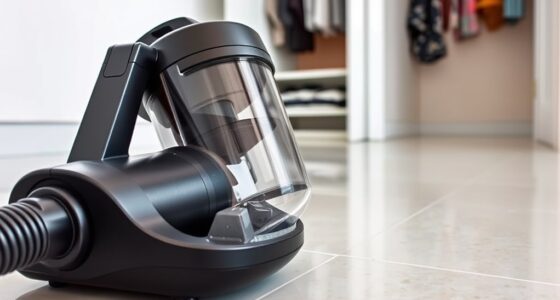
If your vacuum is losing suction, start by checking and cleaning the filters—clogged filters can block airflow. Next, inspect the hose and attachments for blockages, removing debris or kinks. Also, examine the belt and brush roll to ensure they’re not worn or tangled, which can hinder performance. Tightening or replacing any damaged parts can quickly restore suction. Want to find out more simple fixes? Keep exploring to improve your vacuum’s efficiency.
Key Takeaways
- Check and clean or replace the filters to ensure unobstructed airflow.
- Inspect the belt and replace it if it’s broken or worn out.
- Clear any blockages in hoses and attachments by running water through them.
- Remove tangled hair or debris from the brush roll to restore rotation.
- Verify that all connections are secure and free of leaks for maximum suction.
When your appliances or devices lose suction, it can be frustrating and disruptive. You rely on your vacuum to keep your home clean, and when it stops performing as expected, it can throw off your entire cleaning routine. Fortunately, many suction issues are simple to fix with a few quick checks. Start by inspecting the filter. Over time, filters can become clogged with dust and debris, restricting airflow and reducing suction power. Regular filter maintenance is essential; remove the filter and clean it thoroughly according to your vacuum’s instructions. If it’s a washable filter, rinse it under cold water and let it dry completely before reinstalling. Replacing disposable filters when they’re past their prime is also a good idea to maintain *ideal* suction.
If your vacuum loses suction, start by inspecting and cleaning or replacing the filter for optimal performance.
Next, check the belt, especially if your vacuum uses a belt-driven brush roll. A worn or broken belt can prevent the brush from spinning properly, which affects suction and cleaning performance. Turn off and unplug your vacuum before inspecting the belt. Look for signs of wear, cracks, or slackness. If the belt appears damaged or loose, replace it with a new one. This simple step can restore not just suction but also the agitation needed for effective cleaning. Remember, a loose or broken belt often causes the brush to stop spinning, leading to poor debris pickup and a noticeable drop in suction power.
Beyond filters and belts, examine the hoses and attachments for blockages. Debris can get stuck inside, restricting airflow. Detach hoses and run water through them to clear out any obstructions. Be sure to let hoses dry completely before reattaching. Also, check for any cracks or holes in the hoses, as these can cause suction leaks. Sealing small leaks with duct tape temporarily can help while you source a proper replacement, but replacing damaged hoses is the better long-term solution. Additionally, ensuring that the fetal development and other internal components are functioning correctly can impact overall suction efficiency.
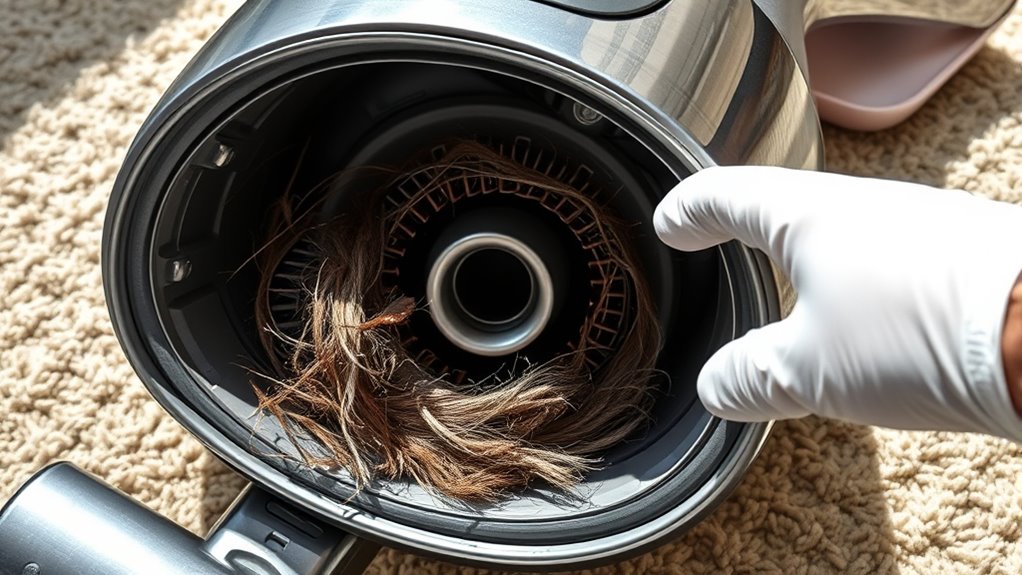
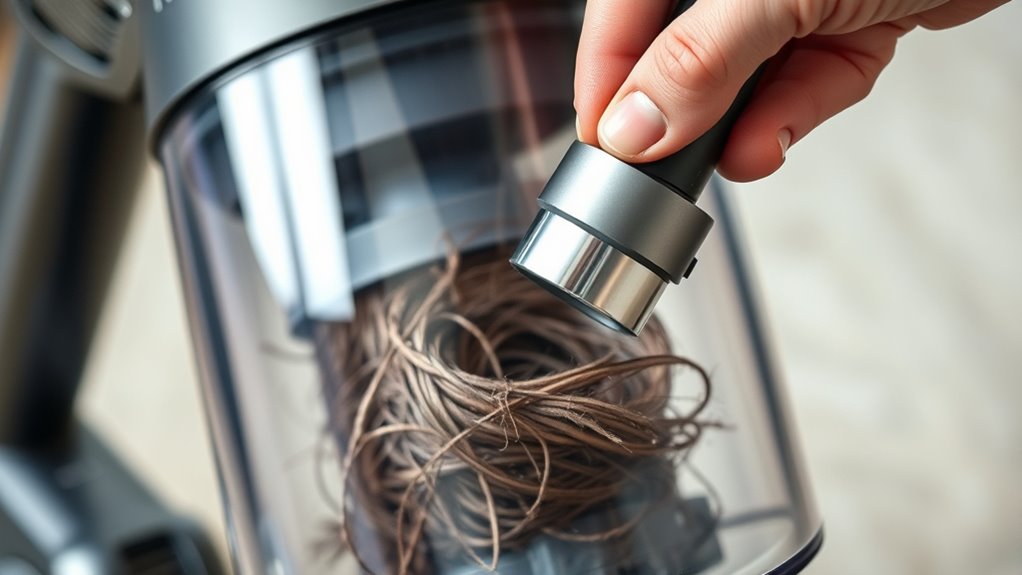
Finally, inspect the brush roll and main suction pathway for tangled hair, string, or debris. Clearing these obstructions keeps airflow flowing smoothly. Regularly removing debris from the brush roll and ensuring it spins freely will prevent loss of suction and maintain your vacuum’s efficiency. By keeping up with filter maintenance, inspecting belts, and checking for blockages, you can quickly resolve most suction problems. These small, routine checks can save you time and money, and ensure your vacuum performs at its best whenever you need it.
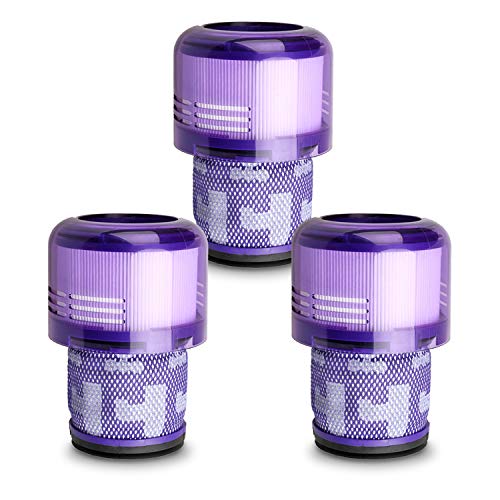
Lemige 3 Pack Vacuum Filters Replacement Parts Compatible with Dyson V11 Origin V11 Torque Drive V11 Animal V11 Complete V11 Extra V15 Detect V15s Detect Submarine Vacuums, Compare to Part 970013-02
FIT MODELS – V11 V15 Filter Replacement for Dyson V11 Origin Cordless Vacuum (B00FZPRUTY, B0C2J7R8PY) V11 Animal V11…
As an affiliate, we earn on qualifying purchases.
As an affiliate, we earn on qualifying purchases.
Frequently Asked Questions
How Often Should I Replace My Vacuum Filter?
You should replace your vacuum filter according to the manufacturer’s maintenance schedule, typically every 3 to 6 months. Regular filter replacement is essential to maintain suction power and ensure your vacuum works efficiently. If you notice decreased performance or increased dust escaping, it’s a sign you need to do a filter replacement sooner. Staying on top of this maintenance helps extend your vacuum’s lifespan and keeps your home cleaner.
Can Pet Hair Cause Loss of Suction?
Think of your vacuum like a clogged drain; pet hair can easily cause a blockage. Yes, pet hair often leads to loss of suction by clogging filters or the hose, making it harder for your vacuum to perform. Regular vacuum maintenance, including clearing out pet hair buildup, helps keep it running smoothly. So, if your cleaning tool’s losing power, check for pet hair obstructions to restore peak suction.
Is It Safe to Clean the Vacuum Motor?
Cleaning safety is essential when it comes to your vacuum motor. It’s generally safe to clean the motor if you follow the manufacturer’s instructions and disconnect the power first. Avoid using water or harsh chemicals directly on the motor to prevent damage. Instead, gently vacuum around it or use compressed air. Proper maintenance guarantees your vacuum motor remains in good shape, reducing the risk of overheating or failure.
Do Different Floor Types Require Different Vacuum Settings?
Have you ever wondered if your vacuum needs a floor adjustment? Different floor types, like carpets and hard surfaces, demand tailored suction settings. You might not realize it, but adjusting your vacuum’s suction can dramatically improve cleaning efficiency. Always check if your vacuum has a floor adjustment feature. Using the right suction settings guarantees deep cleaning without damaging delicate floors, making your job easier and your floors spotless.
How Do I Know if My Vacuum Needs Professional Repair?
If your vacuum isn’t picking up debris well, it might need professional repair. Check if the vacuum bag is full or the brush roller is clogged or damaged. If cleaning or replacing these parts doesn’t improve suction, it’s time to see a professional. They can diagnose issues beyond simple fixes, ensuring your vacuum runs efficiently again. Don’t ignore persistent problems; proper repair keeps your vacuum working its best.
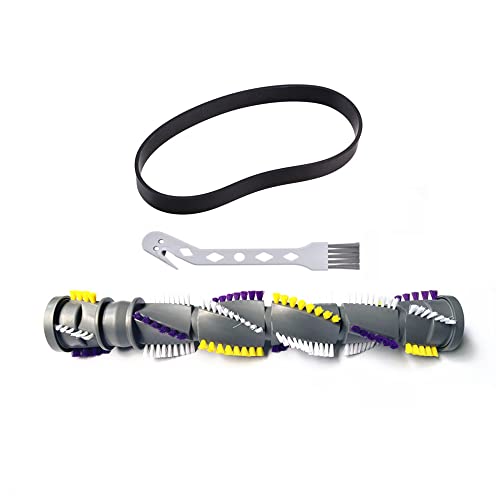
Vacuum Cleaner Brush Roll Belt for Bissell Cleanview Swivel Pet Parts 2252 2254 2486 2489 22543 24899 3195 3196 3197 3197A 3198 3198A 2253 1327 1333 Replace Part No. 1604545 1611230 1600159
1. The product is suitable for Bisser vacuum cleaner brush roller belt 2252 2489 22543 24899 3195 3196…
As an affiliate, we earn on qualifying purchases.
As an affiliate, we earn on qualifying purchases.
Conclusion
So, next time your vacuum starts losing suction, remember these quick fixes. It’s like finding a forgotten sock behind the couch—small issues, but easy to overlook. With a few simple checks, you can restore the power and keep your home spotless. Sometimes, a quick fix is all it takes to turn frustration into satisfaction. Just like discovering a lost treasure, fixing your vacuum feels surprisingly rewarding and keeps your cleaning routine on track.

Shineyoo Silicone Vacuum Hose Kit, Vibrant Blue Tubings 6PCS 10FT + Matching Connectors 12 Sizes 128PCS + Spring Clamp 6 Sizes 24PCS, 1/8" 5/32" 3/16" 1/4" 5/16" 3/8", 130PSI Automotive Lines Kit
Upgrade to high-performance vibrant blue silicone hoses with color-matched connectors – crafted from premium silicone material to deliver…
As an affiliate, we earn on qualifying purchases.
As an affiliate, we earn on qualifying purchases.

Pikk-it Vacuum Hair Brush Cleaner Tool- As Seen On Tv | Designed for Removing Tangled Hairs and Fibers from Vacuums & Hairbrushes, Super Hair Brush Cleaner Gadget Comb Cleaning Rake (Single Pack)
✅ WORKS ON ANY VACUUM: Pikk-it's unique design works with any vacuum, ensuring your device cleans more efficiently….
As an affiliate, we earn on qualifying purchases.
As an affiliate, we earn on qualifying purchases.