When you’re shopping for vacuums, pay close attention to decibel ratings. Lower dB numbers mean quieter operation, making them ideal for noise-sensitive spaces like apartments. A vacuum around 60 dB is about the same as a regular conversation. Look for models with sound insulation and efficient motors to further reduce noise. This way, you can keep your household peaceful during cleaning. Stick around to discover more tips for choosing the perfect quiet vacuum.

Get cleaning gear delivered free — and shop member deals
- Fast, free delivery on millions of items
- Access to Prime Big Deal Days deals on October 6–7
- Prime Video, Amazon Music and more included
Key Takeaways
- Decibel ratings measure a vacuum’s noise level, with lower numbers indicating quieter operation, ideal for noise-sensitive environments.
- Vacuums around 60 dB are comparable to normal conversation, making them suitable for shared living spaces.
- Sound insulation materials and technologies help minimize noise without compromising cleaning performance.
- Specialized motor and fan designs contribute to reduced noise while maintaining powerful suction for effective cleaning.
- To ensure a quiet vacuum experience, look for models with low decibel ratings and read user reviews on noise performance.

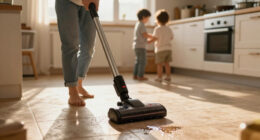
When you’re shopping for a vacuum, understanding decibel ratings can help you choose a model that won’t disrupt your household. Decibel (dB) ratings indicate how loud a vacuum cleaner is when it operates. The lower the decibel number, the quieter the vacuum. For instance, a vacuum that operates at around 60 dB is relatively quiet and comparable to normal conversation levels, making it a great choice if you’ve got kids napping or pets that get anxious with noise.
Understanding decibel ratings is key to choosing a vacuum that keeps your home peaceful and quiet.
You might wonder why this matters. A vacuum with a high decibel rating can create a disruptive environment, especially in homes where peace and quiet are essential. If you live in an apartment or a shared space, a quieter model can help maintain good relationships with neighbors. It’s not just about you; it’s about everyone around you. Investing in a vacuum with effective sound insulation features can contribute to a more serene cleaning experience.
When considering noise reduction, also look for vacuums that are specifically designed to operate quietly. Some brands highlight their commitment to creating low-noise machines that integrate advanced technology for a peaceful cleaning process. These vacuums often include features like sound insulation materials in their design, which help muffle the noise produced during operation. By prioritizing sound insulation, manufacturers make it easier for you to clean without the worry of disturbing others.
You’ll also find that some models come equipped with specialized motors and fans that can reduce noise while still providing powerful suction. It’s a balance of efficiency and comfort, and it’s definitely worth considering as you browse options. Don’t forget to check user reviews and product specifications; they often provide insights into how noisy a vacuum is in real-world use. Regular filter cleaning is also essential in maintaining optimal performance, which can further enhance your vacuum’s quiet operation.
Ultimately, when you’re ready to make your purchase, focus on vacuums with lower decibel ratings to ensure you’re choosing a model that fits your lifestyle. Remember, the goal is to keep your home clean without the added stress of disruptive noise. By understanding decibel ratings and opting for features that promote sound insulation and noise reduction, you’ll enjoy a more peaceful cleaning experience. So, take your time, do your research, and find that perfect vacuum that meets your needs without compromising your home’s tranquility.
As an affiliate, we earn on qualifying purchases.
Frequently Asked Questions
What Is an Ideal Decibel Rating for Home Vacuums?
An ideal decibel rating for home vacuums is around 60 to 70 dB. This range allows you to maintain a comfortable environment while cleaning. When you look at vacuum noise comparison, you’ll notice that models above 70 dB can be disruptive. Decibel measurement methods help you assess noise levels accurately, so always check the specifications before buying. A quieter vacuum makes for a more enjoyable cleaning experience without disturbing your household.
How Do Manufacturers Measure Vacuum Decibel Levels?
You’d think measuring vacuum noise is rocket science, but it’s not! Manufacturers measure decibel levels using sound measurement tools like sound level meters. They place these devices in a controlled environment, typically at a set distance from the vacuum. This helps guarantee accurate readings. Noise control is essential, so they also test various models to find the perfect balance between suction power and sound output, giving you a quieter cleaning experience.
Are There Any Health Risks Associated With Loud Vacuums?
Yes, loud vacuums can pose health risks. Continuous noise exposure from high decibel levels can lead to hearing damage over time. If you’re using a vacuum that’s excessively loud, you might experience temporary discomfort or even long-term hearing issues. To protect your hearing, consider wearing ear protection or choosing a quieter model for your cleaning needs. Being mindful of noise levels can help you maintain your auditory health in the long run.
Can Vacuum Noise Levels Vary by Floor Type?
Sure, vacuum noise levels can vary by floor type! If you think your vacuum sounds like a rock concert on hardwood but whispers sweet nothings on carpet, you’re not imagining things. The surface impact matters—hard floors amplify floor noise, while carpets absorb it. So, when you’re trying to clean up those crumbs, remember that your vacuum’s volume might just be auditioning for a role in a home theater production!
Do Silent Vacuums Perform as Well as Regular Vacuums?
Silent vacuums can perform just as well as regular vacuums, but it often depends on the model. You’ll want to check their airflow efficiency, as that directly affects cleaning power. Some silent models maintain strong suction while minimizing noise, but they might sacrifice battery lifespan for quieter operation. Always compare specifications to make certain you get a vacuum that meets your cleaning needs without the disruptive sound.
Conclusion
In a world where noise pollution is rampant, silent vacuums are your unsung heroes. With their impressive decibel ratings, they guarantee you can clean up without waking the whole household—or the neighbors who might still be in their PJs. Investing in a quiet vacuum isn’t just smart; it’s like upgrading from a clunky horse-drawn carriage to a sleek electric car. So, go ahead and embrace the peace while keeping your home spotless—you deserve it!
Fall Picks
fall essentials
As an affiliate, we earn on qualifying purchases.