Caring for your robot vacuum sensors is essential for peak performance. Regularly clean them with a soft, dry cloth to remove dust and dirt. Don’t forget to check and calibrate the sensors following the manufacturer’s instructions for accurate obstacle detection. Inspect related components like wheels and brushes, as debris can affect sensor functionality. By maintaining your sensors, you’ll improve navigation and dust removal efficiency. Stick around to discover more tips for keeping your vacuum running smoothly!
Key Takeaways
- Regularly clean sensors with a soft, dry cloth to remove dust and dirt that can impair functionality.
- Perform calibration as per manufacturer instructions to ensure accurate obstacle detection and positioning.
- Inspect wheels and brushes for debris build-up, as this can indirectly affect sensor performance.
- Schedule consistent maintenance checks to prevent sensor impairment and enhance overall vacuum efficiency.
- Utilize AI technology integration for improved navigation and cleaning, alongside proper sensor care.

How often do you think about the sensors in your robot vacuum? If you’re like most people, you probably take them for granted. However, these sensors are essential for effective cleaning and guaranteeing your vacuum operates at its best. They help your robot navigate your home, avoiding obstacles and efficiently removing dust and debris. Without proper care, these sensors can become less effective, impacting your vacuum’s performance.
One of the key aspects of maintaining your robot vacuum’s sensors is regular sensor calibration. Over time, factors like dust buildup or physical obstructions can interfere with how well the sensors function. When you calibrate your sensors, you’re basically recalibrating their ability to detect distances and obstacles accurately. This process can be as simple as following the manufacturer’s instructions or using built-in settings within the vacuum’s app. A well-calibrated sensor guarantees your robot vacuum knows where it’s going, which in turn enhances its dust removal capabilities.
Regular sensor calibration is crucial for your robot vacuum’s efficiency, ensuring it accurately detects distances and obstacles for optimal cleaning.
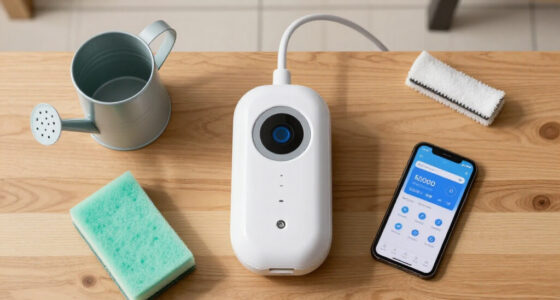
Speaking of dust, you should also keep an eye on the sensors themselves. Dust and dirt can accumulate on the sensors, leading to impaired functionality. Regularly cleaning the sensors is a straightforward task that can save you from headaches down the line. A soft, dry cloth is often all you need to gently wipe away any debris. Just be careful not to scratch the sensors, as that can lead to further issues.
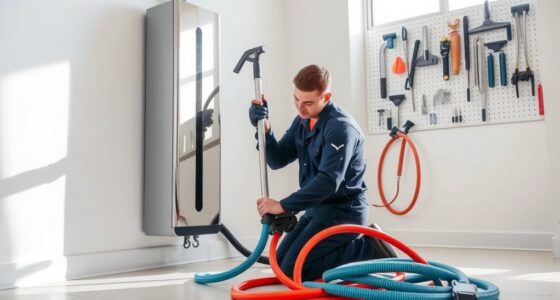
Moreover, it’s essential to check the wheels and brushes of your robot vacuum. Sometimes, debris can get stuck and indirectly affect the sensors. For instance, if the vacuum can’t move properly because of tangled hair or dust, it might not reach areas that need cleaning. This can lead to poor performance and missed spots in your home. Make it a habit to inspect and clean these components regularly to guarantee optimal operation.
Taking care of your robot vacuum’s sensors isn’t just about maintenance; it’s also about embracing the technology that makes your life easier. By giving a little attention to these details, you can enhance your vacuum’s efficiency and prolong its lifespan. Additionally, the integration of AI technology in robotic systems can lead to improved navigation and cleaning capabilities. So, the next time you see your robot vacuum in action, remember it’s those often-overlooked sensors that make it all possible. A little care goes a long way in maximizing your dust removal efficiency and keeping your space clean.

roborock Q7 M5+ Robot Vacuum and Mop, Up to 7-9 Weeks Self-Empty, 10000Pa
- Long-lasting Self-Emptying: Up to 7-9 weeks with 2.7L dust bag
- Powerful Suction: 10000Pa for deep cleaning on all surfaces
- Anti-Tangle Brush System: Dual design resists pet hair wrap
As an affiliate, we earn on qualifying purchases.
Frequently Asked Questions
How Often Should I Clean My Robot Vacuum Sensors?
You should clean your robot vacuum sensors at least once a month to guarantee peak performance. Regular cleaning helps in sensor calibration, allowing the vacuum to navigate effectively. If you notice persistent issues after cleaning, it might be time for sensor replacement. Keeping an eye on your vacuum’s performance will help you determine when maintenance is needed. Remember, a little care goes a long way in extending the life of your robot vacuum!
Can I Use Water to Clean the Sensors?
You shouldn’t use water to clean the sensors. Instead, use a dry, soft cloth to gently wipe away dust accumulation. Water can damage the sensors and affect their calibration, leading to decreased performance. Keeping them clean prevents issues and guarantees your vacuum works efficiently. Regular maintenance helps you avoid problems, so make it a habit to check and clean the sensors to keep everything running smoothly.
What Happens if the Sensors Are Damaged?
If the sensors are damaged, your robot vacuum won’t navigate effectively. You’ll notice it bumping into obstacles or missing areas altogether. In this case, you’ll need to take sensor calibration into account to restore functionality. However, if calibration doesn’t work, sensor replacement might be necessary. It’s crucial to address these issues promptly to guarantee your vacuum continues to clean efficiently and avoid any further damage to the device.
Are There Specific Tools Recommended for Sensor Cleaning?
Yes, there are specific tools recommended for sensor cleaning. You should use microfiber cloths and soft brushes to gently remove dust and debris. Many manufacturers offer recommended cleaning kits that include these items, ensuring you’ve got the right tools for the job. Avoid harsh chemicals or abrasive materials, as they can damage the sensors. Keeping these tools handy will help you maintain your robot vacuum’s performance effectively.
Do Different Robot Vacuum Models Require Different Sensor Care?
Different robot vacuum models demand distinct sensor care. Some require regular sensor calibration for ideal operation, while others may need sensor replacement after prolonged use. By understanding your specific model’s needs, you can guarantee peak performance. Don’t ignore the importance of maintenance; a little attention goes a long way! So, check your manufacturer’s guidelines to keep your vacuum running smoothly and efficiently. Your floors will thank you for it!
Conclusion
By taking the time to care for your robot vacuum’s sensors, you’re not just prolonging its life—you’re ensuring it navigates your home with precision. Imagine the frustration of a malfunctioning vacuum, leaving dirt and dust in its wake. But with proper maintenance, you can avoid that scenario and keep your home spotless. So, don’t wait until it’s too late; give those sensors the attention they deserve and watch your trusty helper perform at its best.