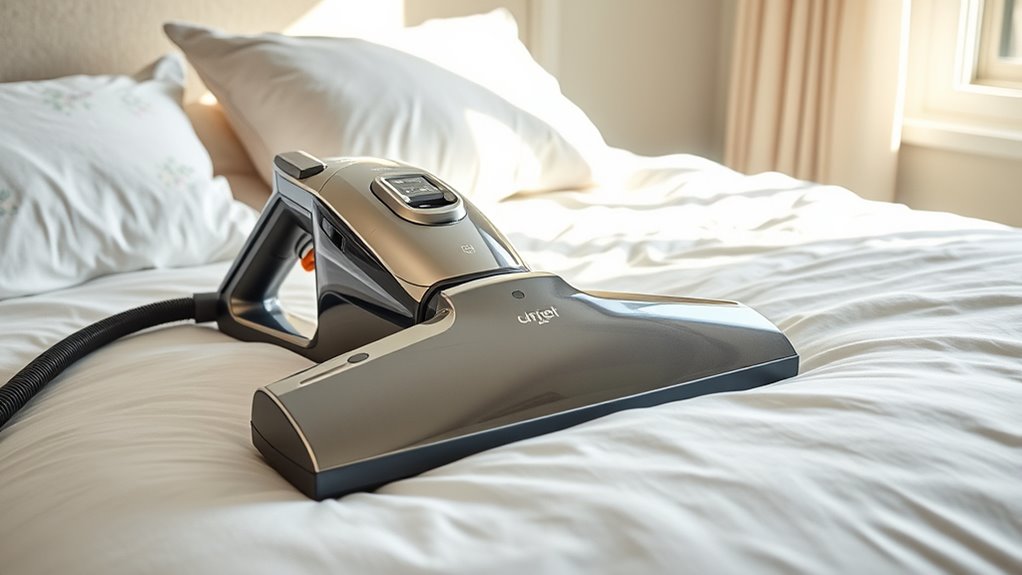
Cleaning your mattress and bedding with a vacuum is essential for eliminating dust mites, allergens, and bacteria. Start by removing all bedding and washing it to cut down on surface allergens. Next, use a vacuum with a HEPA filter and the upholstery attachment for effective cleaning. Don’t forget to focus on seams and crevices. Regular vacuuming and additional care, like using baking soda, can greatly improve your sleep environment. You’ll discover even more helpful tips ahead!

Get cleaning gear delivered free — and shop member deals
- Fast, free delivery on millions of items
- Access to Prime Big Deal Days deals on October 6–7
- Prime Video, Amazon Music and more included
Key Takeaways
- Remove all bedding before vacuuming to eliminate surface allergens and ensure thorough cleaning of the mattress.
- Use a vacuum with a HEPA filter and the upholstery attachment for effective allergen removal from the mattress.
- Focus on seams and crevices while vacuuming, moving slowly to maximize debris extraction from the mattress surface.
- Consider sprinkling baking soda on the mattress for deodorizing; let it sit for 15-30 minutes before vacuuming.
- Wash bedding weekly in hot water to maintain a clean sleep environment and control allergens effectively.
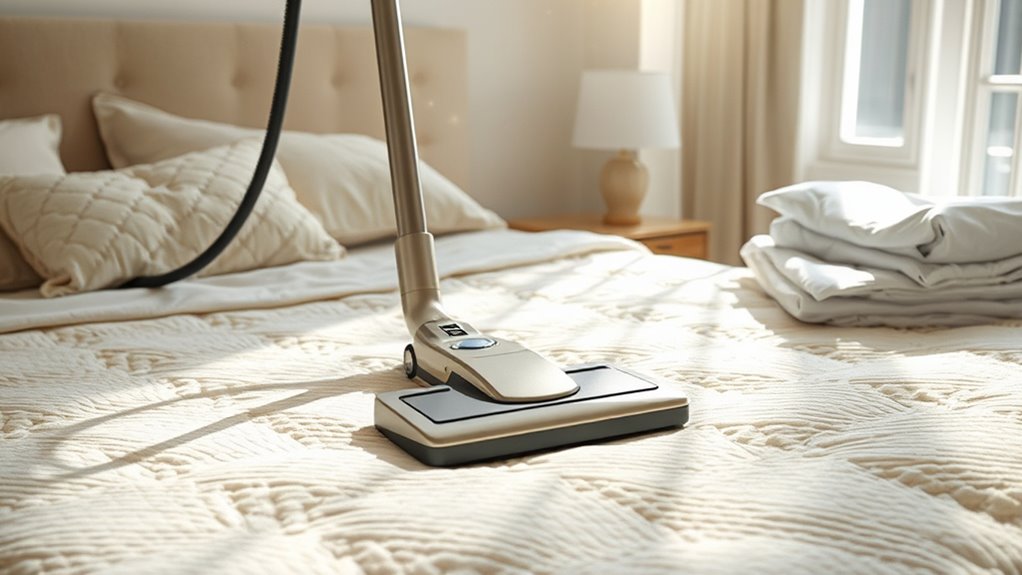
When you think about cleaning your home, don’t overlook your mattress and bedding, as they can harbor dust mites, allergens, and bacteria. Many people forget that these sleeping surfaces need regular attention, but a quick vacuuming can make a significant difference. By incorporating this simple task into your cleaning routine, you can greatly enhance your sleep environment, making it healthier for you and your family.
Start by removing all bedding, including sheets, pillowcases, and comforters. This not only gives you a chance to wash these items but also provides easier access to your mattress. Once you’ve stripped the bed, grab your vacuum cleaner. If you have a vacuum with a HEPA filter, even better! These filters are designed to trap tiny particles, making them perfect for dust mite removal and allergen control.
Begin by using the upholstery attachment to vacuum the entire surface of your mattress. Pay special attention to seams and crevices, as these areas often collect dust and debris. Move slowly to ensure you’re picking up as much as possible. If your vacuum has a brush setting, use it to agitate the fabric, which will help dislodge any trapped allergens and dust mites. You might be surprised by how much dirt and dander you uncover!
After you’ve vacuumed the mattress, consider tackling your box spring as well. Dust mites can thrive in this area, too. Follow the same method: use the vacuum attachment and ensure you reach every corner. Once you’re satisfied with the vacuuming, you might want to sprinkle some baking soda on the mattress. Baking soda is a natural deodorizer and can help absorb moisture, reducing the likelihood of dust mite infestations.
Leave the baking soda on for at least 15-30 minutes before vacuuming it up. This step boosts allergen control by neutralizing odors and reducing moisture levels. After you’ve vacuumed up the baking soda, it’s time to put your freshly cleaned bedding back on the mattress.
Remember to wash your sheets and pillowcases regularly, ideally weekly, in hot water. This practice not only aids in allergen control but also helps maintain a fresh sleeping environment. By vacuuming your mattress and bedding regularly, you’ll not only improve your sleep quality but also create a healthier home. Additionally, maintaining a clean sleep environment can significantly enhance customer satisfaction by promoting better health and well-being. So, don’t skip this essential step in your cleaning routine!
As an affiliate, we earn on qualifying purchases.
Frequently Asked Questions
How Often Should I Vacuum My Mattress and Bedding?
You should vacuum your mattress and bedding at least once a month to reduce mattress allergens and control bedding dust mites. Regular vacuuming helps eliminate dust, dirt, and allergens that can accumulate over time. If you suffer from allergies, consider doing it more frequently, like every two weeks. Remember to use a vacuum with a HEPA filter for the best results, ensuring a cleaner sleeping environment for you and your family.
Can I Use a Regular Vacuum for Mattresses?
Sure, you can use a regular vacuum for mattresses—because who doesn’t want to vacuum their bed? Just make sure your vacuum’s in good shape; vacuum maintenance is key. You wouldn’t want to spread more dust around, right? When you’re done, you might notice a delightful reduction in mattress odor, too. So grab that vacuum and give your mattress a good once-over; it’s a surprisingly satisfying way to freshen up your sleep space!
What Vacuum Attachments Are Best for Cleaning Bedding?
For cleaning bedding, use a vacuum with a crevice tool for tight spaces and a brush attachment for effective pet hair removal. A soft upholstery attachment is great for delicate fabrics. Don’t forget about vacuum filter maintenance; keeping your filters clean helps maintain suction power and efficiency. Regularly check and clean them to guarantee your vacuum performs at its best. This way, you’ll keep your bedding fresh and free from allergens.
Are There Specific Vacuum Settings for Mattresses?
Yes, there are specific vacuum settings for mattresses. You should use a low suction setting to gently remove dust and allergens without damaging the fabric. Don’t forget about vacuum filter maintenance; clean or replace filters regularly to guarantee ideal performance. If you encounter any stains, consider using a separate stain removal method before vacuuming. This way, you’ll keep your mattress fresh and extend its lifespan while maintaining a clean sleeping environment.
Should I Vacuum Before or After Washing Bedding?
You should definitely vacuum before washing your bedding. It helps with allergen removal and bed bug prevention, ensuring you get rid of dust mites and debris first. By vacuuming first, you’ll lift away any particles that could cling to your fabrics during washing. Plus, this pre-cleaning step makes your wash more effective, leaving your bedding fresher and cleaner. So, grab that vacuum and tackle your bedding before you hit the laundry!
Conclusion
By vacuuming your mattress and bedding regularly, you’re not just removing dust and allergens; you’re creating a cleaner, healthier sleep environment. You’re investing in your well-being, enhancing your comfort, and nurturing restful nights. Remember, a clean mattress is a foundation for sweet dreams, a sanctuary for relaxation, and a shield against irritants. So grab that vacuum, take a moment for yourself, and transform your sleeping space into a haven of cleanliness and tranquility.
Fall Picks
fall essentials
As an affiliate, we earn on qualifying purchases.