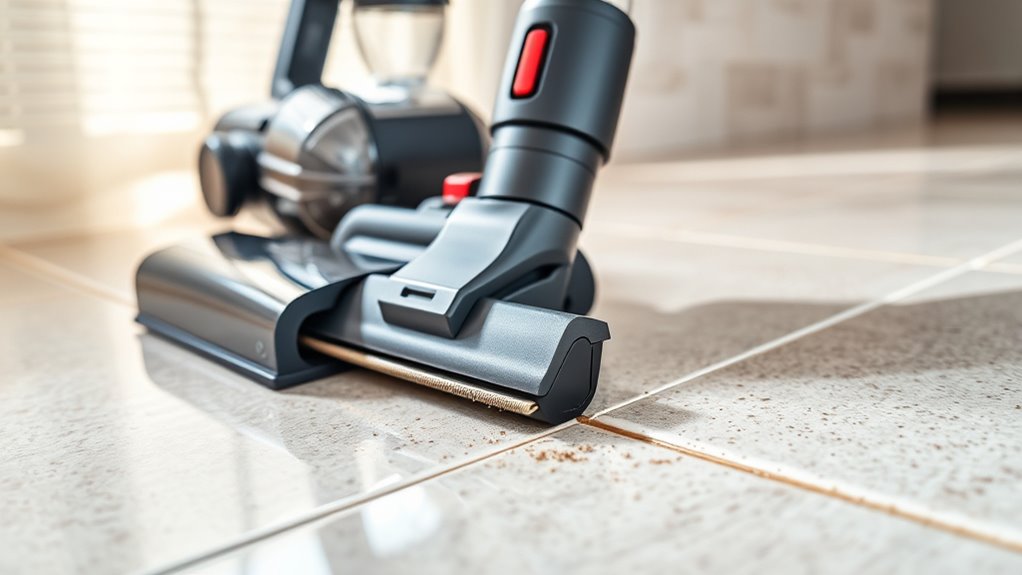

When selecting a vacuum for tile and grout, prioritize models with strong suction to effectively remove dirt and debris. Look for ones that come with crevice tools and small brushes to access narrow gaps and grout lines easily. A lightweight, portable design helps you maneuver around tight corners and furniture. Corded models offer consistent power, while cordless options provide added flexibility. Keep exploring to find out more about choosing the perfect vacuum for your cleaning needs.
Key Takeaways
- Choose handheld vacuums with specialized crevice tools for detailed grout and tight space cleaning.
- Prioritize models with strong suction to effectively remove embedded dirt without damaging tiles.
- Consider cordless options for greater maneuverability around furniture and in narrow grout lines.
- Ensure the vacuum has versatile attachments to reach corners, edges, and deep grout lines easily.
- Balance power and ease of handling to maintain thorough cleaning without compromising convenience.
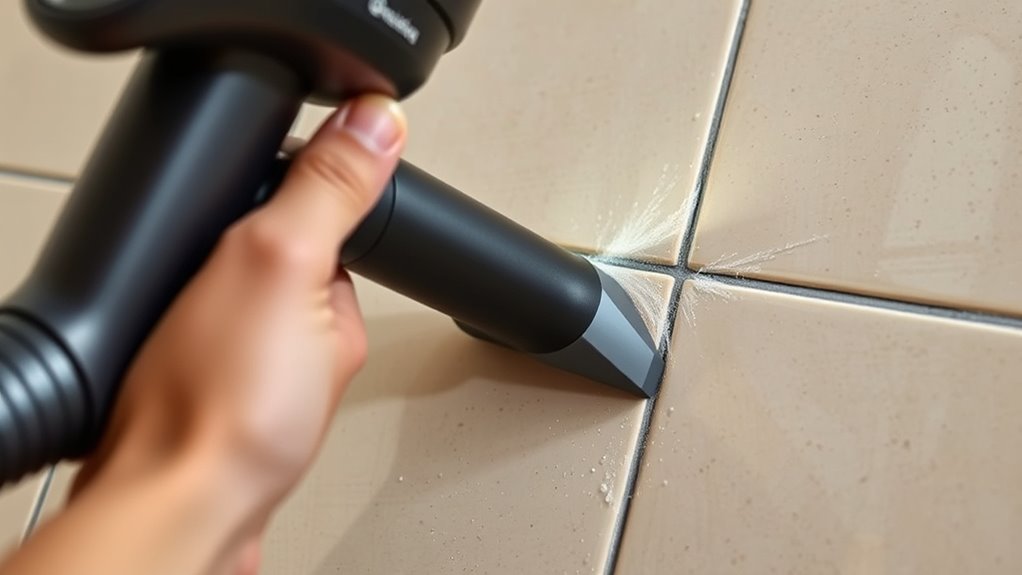
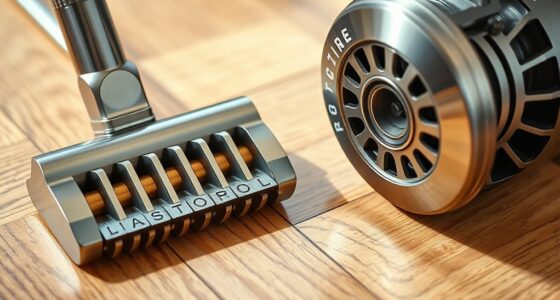
Cleaning tile and grout requires a vacuum that can effectively remove dirt without damaging delicate surfaces. When choosing the right vacuum, you’ll want to consider the various handheld options available. Handheld vacuums are lightweight and portable, making them ideal for quick cleanups and reaching tight spaces between tiles. They typically come with a variety of attachments, such as crevice tools and small brushes, designed specifically for detailed work on grout lines. These tools help you get deep into the corners and narrow gaps, ensuring a thorough clean without disturbing the surrounding tiles. Handheld vacuums also allow for easy maneuverability, so you can move around furniture or clean vertical surfaces without hassle.
Lightweight handheld vacuums with attachments are ideal for detailed tile and grout cleaning.
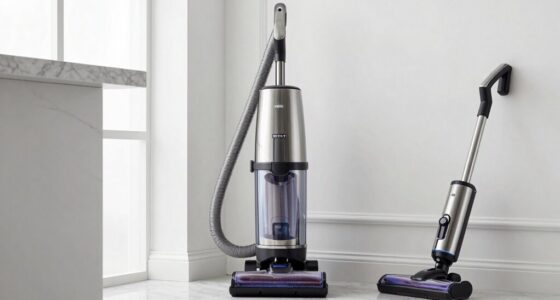
Another important factor to weigh is whether to go with a corded or cordless model. Corded vacuums tend to offer consistent power and unlimited runtime, which is beneficial when cleaning large tiled areas or multiple rooms. They usually have stronger suction, which helps lift embedded dirt and debris from grout lines. On the flip side, corded options can limit your movement due to the cord length, potentially making the cleaning process less flexible. Cordless vacuums, by contrast, provide greater freedom of movement since they are battery-powered. This makes them especially handy for quick spot cleans or when working in areas without easy access to outlets. However, battery life can be a concern; you’ll want to verify the model you choose has a sufficient runtime to complete your cleaning tasks without constantly recharging.
When deciding between corded and cordless, think about your cleaning routine. If you often clean large tiled spaces or prefer a more powerful suction, a corded vacuum might be the better choice, despite the limited mobility. If convenience and ease of use are more important, a cordless model offers the flexibility you need for quick touch-ups. Many modern handheld vacuums now come with both corded and cordless options, giving you the best of both worlds. You can opt for a cordless vacuum for light, everyday cleaning, and keep a corded one for more intensive jobs.
Additionally, paying attention to the vacuum’s filtration system can help prevent dust and debris from being redistributed into the air, which is especially beneficial when cleaning grout lines that may trap allergens. Ultimately, the right vacuum for tile and grout combines effective suction with versatile, easy-to-handle tools. Handheld options are particularly suited for detailed cleaning, and choosing between corded vs cordless depends on your space, cleaning frequency, and personal preferences. With the right combination, you’ll keep your tile surfaces spotless and well-maintained without risking damage to delicate grout lines.

BLACK+DECKER dustbuster AdvancedClean Handheld Vacuum Cordless, Compact Home and Car Vacuum with Crevice Tool, Rotating Nozzle and Charging Station, Large Dust Bowl (CHV1410L)
#1 brand in hand vacs**
As an affiliate, we earn on qualifying purchases.
As an affiliate, we earn on qualifying purchases.
Frequently Asked Questions
Can Handheld Vacuums Effectively Clean Tile Grout?
Yes, handheld vacuums can effectively clean tile grout when you use the right portable accessories. Look for models with strong suction power and include crevice tools to reach tight spaces. These features boost your cleaning efficiency, making grout lines look fresh and spotless. Keep in mind that regular maintenance and proper technique will help you get the best results, ensuring your tile surfaces stay clean and inviting.
Are Cordless Vacuums Powerful Enough for Deep Grout Cleaning?
Think of a cordless vacuum as a nimble tiger prowling your tiles. Yes, cordless power can be enough for deep grout cleaning, especially with modern models offering strong suction. Just keep an eye on battery life, as it determines how long you can tackle stubborn dirt. With the right choice, you’ll enjoy powerful cleaning without being tethered, making grout maintenance quick and efficient.
How Do I Choose the Best Crevice Tool for Uneven Surfaces?
To choose the best crevice tool for uneven surfaces, look for one with an ergonomic design that fits comfortably in your hand and adapts to different angles. Opt for an accessory with versatility, allowing you to switch attachments easily for various tasks. A flexible, adjustable crevice tool helps reach tight spots and uneven areas, ensuring thorough cleaning without strain. Prioritize durability and compatibility with your vacuum for excellent performance.
Do Vacuums With HEPA Filters Improve Grout Cleaning?
Yes, vacuums with HEPA filters can substantially improve grout cleaning because they trap grout allergens, preventing them from recirculating into the air. When you vacuum, these filters catch tiny particles, making your space healthier. As you focus on cleaning grout, you’ll notice less dust and allergens lingering, creating a cleaner environment. So, choosing a vacuum with a HEPA filter helps you achieve a more thorough, allergen-free clean.
What Is the Maintenance Required for Crevice Tools?
You should regularly clean your crevice tools to keep them effective. Remove any debris or hair stuck in the brush, and wash the tool with warm, soapy water if possible. Check for brush maintenance needs, such as replacing worn bristles. Confirm your tools are compatible with your vacuum to avoid damage. Proper maintenance extends the lifespan of your crevice tools and keeps your tile and grout cleaning efficient.

Shark Pet Cordless Stick Vacuum | HyperVelocity Suction, XL Dust Cup, LED Headlights | Removable Handheld with Crevice & Pet Multi-Tool | 40-Min Runtime | Lightweight, Portable | Grey | IX141
HYPERVELOCITY SUCTION: HyperVelocity accelerated suction provides incredible cleaning performance for everyday messes and high-traffic areas
As an affiliate, we earn on qualifying purchases.
As an affiliate, we earn on qualifying purchases.
Conclusion
Choosing the right vacuum for tile and grout is like finding the perfect brush for a masterpiece—you want precision, power, and care. With the right crevice tools and strong suction, you’ll effortlessly conquer dirt and grime, revealing the true beauty beneath. Don’t settle for less; your floors deserve the best. After all, a clean home isn’t just about appearance—it’s about creating a space where every detail shines, like stars lighting up the night sky.

ENHULK Pro Cordless Pool Vacuum – 18.5 GPM Powerful Suction, 70min Runtime & 13.4" Wide Head, XL Capacity Handheld Rechargeable Pool Cleaner for Inground/Above Ground Pools with Telescopic Pole, PC18
【Powerful Suction Performance】 ENHULK PC18 pool vacuum boasts a 13.4" super head and an upgraded 40W motor with…
As an affiliate, we earn on qualifying purchases.
As an affiliate, we earn on qualifying purchases.
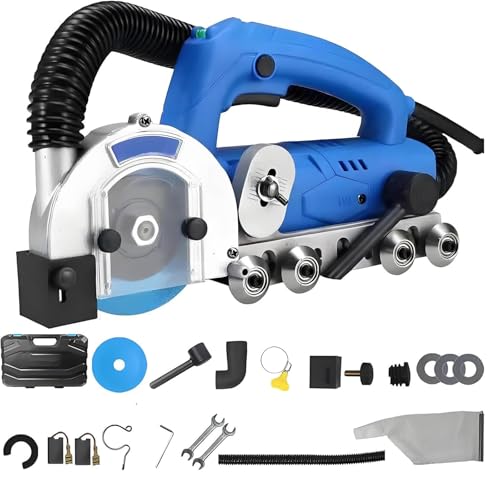
Himopuer 1200W Electric Grout Cleaner, 9000 RPM Self-Vacuum Portable Tile Grout Opening Machine, with Tool Set
【Customer Satisfaction】Your satisfaction is our top priority! If you have any questions about our products, please contact us…
As an affiliate, we earn on qualifying purchases.
As an affiliate, we earn on qualifying purchases.