
To improve vacuum pickup on mixed debris, focus on managing airflow by checking for obstructions in hoses, filters, and vents regularly. Keep filters clean or replace them with high-quality options that trap both fine dust and larger particles. Inspect internal components for blockages and worn seals, ensuring a tight vacuum seal. Use airflow control techniques to prevent clogging and debris buildup. Keeping these areas well-maintained and optimized can considerably boost your vacuum’s performance—stay tuned for more expert tips.

Get cleaning gear delivered free with Prime
- Fast, free delivery on millions of items
- Prime Video, Amazon Music and more included
- Member-only deals all year
Key Takeaways
- Regularly check and clear obstructions in hoses, filters, and vents to maintain optimal airflow.
- Use high-quality filters designed to handle both fine dust and larger debris without airflow reduction.
- Ensure a tight vacuum seal to prevent air leaks that diminish suction power.
- Inspect and clean internal components, replacing worn seals and removing buildup for consistent performance.
- Implement airflow control techniques to prevent clogs and optimize debris separation.
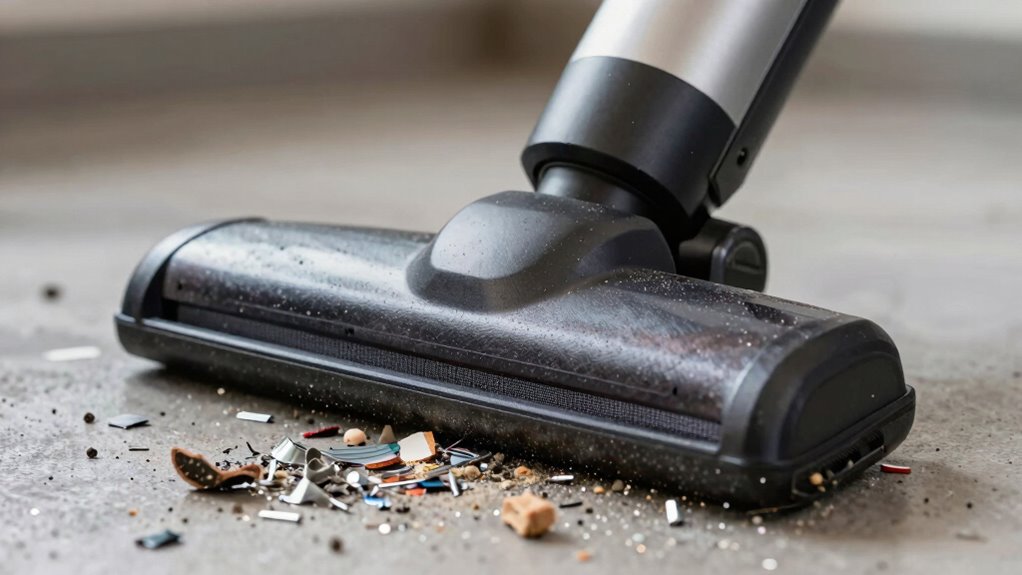
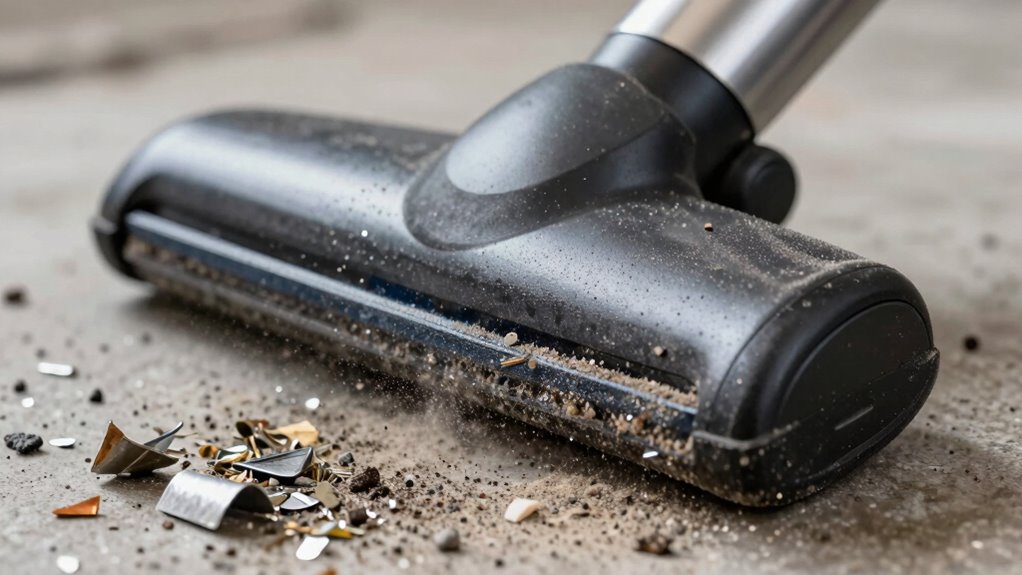
Ever wonder why your vacuum struggles with mixed debris? The answer often lies in how well your vacuum manages airflow and debris separation. When debris varies in size and texture, your vacuum needs to efficiently direct air and separate particles to pick everything up effectively. Improving airflow optimization is vital to prevent blockages and ensure consistent suction, especially when dealing with a mix of dirt, dust, and larger debris. If airflow isn’t optimized, larger particles can clog filters or clog the hose, reducing suction power and leaving debris behind.
Proper airflow management and debris separation are key to effective vacuuming of mixed debris.
To enhance airflow, start by checking for obstructions in your vacuum’s hose, filters, and vents. Clear any blockages or buildup that might restrict air movement. Regularly replacing or cleaning filters helps maintain proper airflow, as dirty filters choke the system, impeding debris separation. Use high-quality filters designed to handle mixed debris, which can trap both fine dust and larger particles without sacrificing airflow. Additionally, guaranteeing your vacuum’s seal is tight prevents air leaks that diminish suction power. You can do this by inspecting and replacing worn-out door seals and gaskets. Ensuring your vacuum has proper ventilation allows for better airflow management and debris separation. Proper airflow control can significantly improve your vacuum’s ability to handle different debris types effectively. Incorporating airflow optimization techniques can further prevent clogs and improve overall performance. Regular maintenance, including inspecting and cleaning the internal components, guarantees your vacuum is always ready to handle mixed debris efficiently. Paying attention to airflow management is crucial for maintaining peak vacuum performance.
vacuum hose obstructions removal tools
As an affiliate, we earn on qualifying purchases.
As an affiliate, we earn on qualifying purchases.
Frequently Asked Questions
What Types of Debris Are Easiest for Vacuum Pickup?
You’ll find that lightweight, smooth debris like paper, plastic, and dry leaves are easiest for vacuum pickup. These items sort easily, boosting your debris sorting process and overall pickup efficiency. Heavier or bulky materials, such as large sticks or wet debris, tend to clog the vacuum or reduce efficiency. To optimize performance, focus on clearing out simple, dry debris first, and consider gadgets or attachments designed to handle tricky or mixed debris types.
How Often Should Vacuum Filters Be Cleaned for Optimal Performance?
They say “an ounce of prevention is worth a pound of cure,” and that’s true for vacuum filters. You should clean your filters regularly—at least once a month or more often if you vacuum frequently or pick up fine debris. Follow your filter materials’ maintenance schedules, and inspect filters for clogs or damage. Keeping filters clean guarantees peak performance and extends your vacuum’s lifespan.
Can Vacuum Settings Be Adjusted for Different Debris Types?
Yes, you can adjust vacuum settings for different debris types to improve suction and debris separation. Start by increasing vacuum suction for heavier, larger debris, ensuring it gets picked up efficiently. For finer particles, reduce suction to prevent clogging and enhance separation. Many vacuums have adjustable controls, so experiment with these settings based on the debris you’re cleaning, optimizing performance and preventing damage.
What Safety Precautions Are Recommended During Vacuum Maintenance?
You shouldn’t skip safety precautions during vacuum maintenance, even if you’re in a hurry. Always wear personal protective equipment like gloves and eye protection to prevent injuries. Conduct thorough machine safety checks before starting any work. These steps help avoid accidents and guarantee your vacuum operates safely and efficiently. Remember, prioritizing safety not only protects you but also extends the lifespan of your equipment.
Are There Specific Vacuum Models Better Suited for Mixed Debris?
Yes, certain vacuum models are better suited for mixed debris. Look for models with advanced vacuum filters that efficiently trap fine particles while allowing larger debris to pass through. A good vacuum for mixed debris also features effective debris separation systems, preventing clogging and maintaining suction power. These enhancements guarantee you can handle varied materials smoothly, improving overall performance and reducing maintenance needs during cleanup tasks.
Conclusion
To improve vacuum pickup on mixed debris, focus on optimizing your equipment, adjusting your technique, and maintaining your tools. Keep your filters clean, change nozzles to suit the debris type, and stay consistent with your cleaning pattern. By refining your approach, by staying attentive, and by adapting as needed, you’ll find your vacuum more effective. Remember, better equipment, better technique, and better maintenance all lead to better results—making your cleanup faster, easier, and more efficient.
Halloween Picks
halloween
As an affiliate, we earn on qualifying purchases.