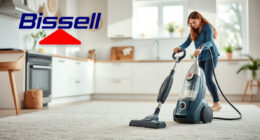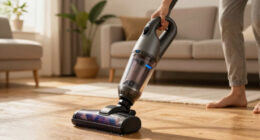
To support a healthier home routine through vacuuming, you should vacuum regularly—ideally once or twice a week—and focus on high-traffic areas, under furniture, and along baseboards. Use a vacuum with strong suction and HEPA filters to trap allergens, pet hair, and dust mites effectively. Incorporate specialized tools for tight spots and pet hair. Moving slowly and overlapping your strokes guarantees thorough cleaning. Keep your filters clean and adjust for different surfaces to maximize benefits—more tips await if you keep exploring.

Get cleaning gear delivered free — and shop member deals
- Fast, free delivery on millions of items
- Access to Prime Big Deal Days deals on October 6–7
- Prime Video, Amazon Music and more included
Key Takeaways
- Develop a consistent vacuuming schedule, at least once or twice weekly, to reduce allergen buildup.
- Use a HEPA-filter vacuum with appropriate attachments for pet hair and tight spaces.
- Focus on high-traffic, dust-prone areas, and under furniture for thorough cleaning.
- Adjust vacuum settings based on surface type to optimize debris removal and protect surfaces.
- Regularly replace filters and check equipment to maintain maximum vacuum efficiency.

Vacuuming is a simple yet effective way to maintain a healthier home environment. When you regularly vacuum, you’re not just keeping your floors looking clean—you’re actively reducing the number of allergens and irritants that can affect your health. If you have pets, this becomes even more important. Pet hair removal is a common challenge, but a good vacuum with strong suction and specialized attachments can lift pet hair from carpets, furniture, and even tight corners. This not only makes your home look tidier, but it also prevents pet hair from accumulating and becoming airborne, which can trigger allergies or asthma symptoms.
Regular vacuuming with strong suction and attachments helps reduce pet hair and allergens, keeping your home healthier and cleaner.
In addition, vacuuming plays a vital role in allergen reduction. Dust mites, pollen, pet dander, and other microscopic allergens settle into carpets and upholstery, creating a breeding ground for irritants. When you vacuum thoroughly and frequently, especially with a HEPA filter, you trap these allergens and prevent them from circulating in the air. This can considerably improve indoor air quality, making your living space safer for everyone, especially those with allergies or respiratory issues. Remember to focus on high-traffic areas and places where dust and pet hair tend to gather, such as under furniture and along baseboards.
To maximize the benefits, choose a vacuum cleaner suited to your needs. A model with strong suction power, a HEPA filtration system, and specialized attachments will give you the best results. Be sure to adjust the settings for different surfaces—carpets, hardwood, or tiles—and regularly check and replace filters to keep the vacuum operating at peak performance. When vacuuming, move slowly in overlapping strokes to lift more debris and allergens from the carpet fibers and upholstery. Don’t forget to vacuum underneath furniture and behind appliances, areas often overlooked but prone to collecting dust and pet hair. Incorporating a vacuuming routine with the right equipment can significantly improve your home’s air quality. Additionally, understanding the hormesis concept can help you recognize how regular, moderate cleaning can strengthen your home’s resilience against allergens.
Incorporating a consistent vacuuming schedule into your routine can make a noticeable difference in your home’s air quality and overall cleanliness. Aim for at least once or twice a week, but increase frequency if you have pets or allergies. This simple task, if done properly, supports a healthier home environment by minimizing airborne allergens and keeping pet hair in check. Over time, you’ll notice fewer allergy symptoms, cleaner surfaces, and a more comfortable living space. Regular vacuuming isn’t just about aesthetics—it’s a key step toward a safer, healthier home for you and your loved ones.
As an affiliate, we earn on qualifying purchases.
Frequently Asked Questions
How Often Should I Vacuum for Optimal Health Benefits?
You should vacuum at least twice a week for ideal health benefits, especially if you have carpets. Regular vacuuming supports carpet care by removing dust, dirt, and allergens that can accumulate and affect indoor air quality. If you have pets or allergies, consider vacuuming more often. Consistent dust removal helps prevent buildup, making your home healthier and reducing irritants that can worsen respiratory issues.
What Type of Vacuum Cleaner Is Best for Allergies?
You can’t judge a book by its cover, and the same goes for vacuums. For allergies, choose a model with HEPA filters, which trap tiny allergens and prevent them from recirculating. Look for vacuums designed for allergen containment, as they effectively reduce dust mites, pet dander, and pollen. A true allergen-busting vacuum helps create a healthier home environment for you and your family.
Can Vacuuming Help Reduce Indoor Air Pollution?
Vacuuming can help reduce indoor air pollution by removing dust, allergens, and pollutants from your floors and surfaces. To maximize benefits, compare air purifiers for added filtration and guarantee your vacuum has strong HEPA filters. Integrate vacuuming with your HVAC system to circulate cleaner air throughout your home. Regular cleaning minimizes airborne contaminants, creating a healthier environment and improving overall indoor air quality.
Are There Specific Vacuuming Techniques to Improve Air Quality?
To improve air quality, you should vacuum thoroughly using a HEPA filter vacuum cleaner. Focus on areas where dust mites and pet dander accumulate, like carpets, rugs, and upholstery. Use slow, overlapping passes to lift allergens effectively. Regularly change filters and empty the vacuum to prevent recirculating dust. By adopting these techniques, you’ll reduce airborne allergens, creating a healthier, cleaner environment for you and your family.
How Do I Maintain My Vacuum for Consistent Performance?
Think of your vacuum as a trusted friend needing regular care. You keep it running smoothly by cleaning the vacuum filter every few months and replacing it when dirty. Don’t forget brush maintenance—removing hair and debris ensures it spins freely. Just like tuning up a car keeps it reliable, maintaining your vacuum’s filter and brushes guarantees consistent performance, so your home stays cleaner and healthier.
Conclusion
Regular vacuuming isn’t just about cleanliness—it’s a key step in creating a healthier home. Did you know that dust mites and pet dander can trigger allergies and asthma? By vacuuming at least twice a week, you reduce these allergens and improve indoor air quality. Making vacuuming a routine helps you breathe easier and supports overall well-being. So, keep up with your vacuuming schedule; your lungs will thank you!
Fall Picks
fall essentials
As an affiliate, we earn on qualifying purchases.