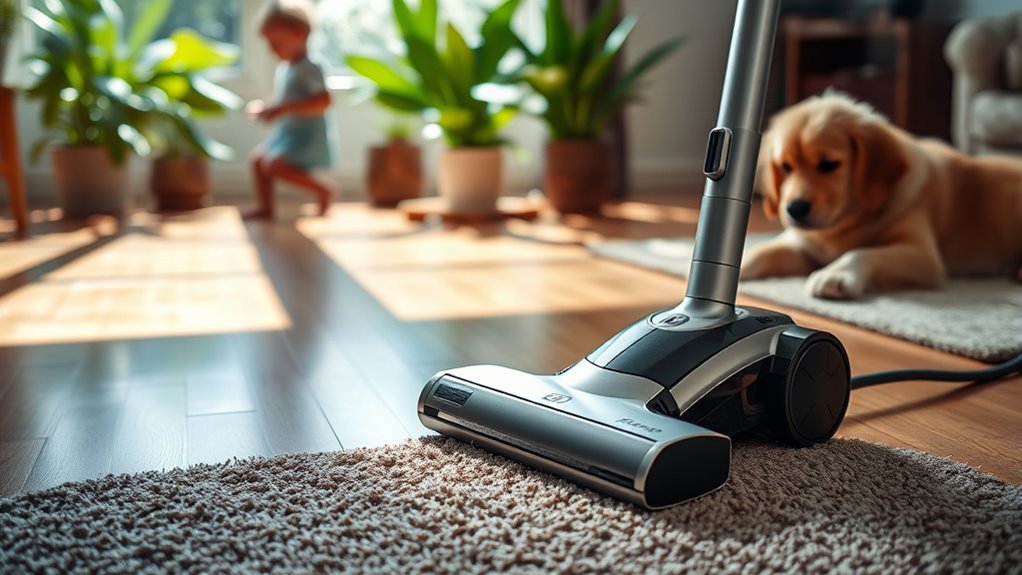

When choosing asthma and allergy-friendly vacuums, look for models with certified HEPA filters. These filters effectively trap allergens like dust, pollen, and pet dander, *considerably* improving your home’s air quality. Opt for vacuums with sealed systems that contain allergens during disposal. Consider different types like upright or canister models based on your cleaning needs. Regular maintenance, including filter changes, ensures they work efficiently. Learn how to maximize your vacuum’s effectiveness for a healthier living environment.

Get cleaning gear delivered free — and shop member deals
- Fast, free delivery on millions of items
- Access to Prime Big Deal Days deals on October 6–7
- Prime Video, Amazon Music and more included
Key Takeaways
- Look for vacuums with certified HEPA filters to effectively trap allergens and improve indoor air quality.
- Choose models with sealed systems or allergen-specific bags to prevent allergens from escaping during disposal.
- Consider upright vacuums for deep carpet cleaning or canister vacuums for versatility on hard floors and various surfaces.
- Select vacuums with specialized attachments for cleaning upholstery and hard-to-reach areas, enhancing allergen removal.
- Regularly maintain and replace HEPA filters to ensure optimal filtration efficiency and prolong vacuum lifespan.
When you’re choosing a vacuum cleaner, it’s essential to take into account its impact on your asthma and allergy symptoms. You want to make certain that your vacuum doesn’t just pick up dirt but also reduces allergens that can aggravate your condition. One critical feature to look for is a HEPA filter. HEPA stands for High-Efficiency Particulate Air, and these filters are designed to trap tiny particles, including pollen, dust mites, and pet dander, which can trigger asthma attacks and allergic reactions.
Using a vacuum with a HEPA filter means you’re investing in a tool that helps improve the air quality in your home. Regular vacuums often release dust back into the air as they clean, which can worsen your symptoms. A vacuum equipped with a HEPA filter will contain these allergens, so they stay trapped inside the machine instead of floating around your living space. Make certain the vacuum’s HEPA filter is certified, as this guarantees it meets specific efficiency standards for capturing harmful particles.
Investing in a vacuum with a certified HEPA filter significantly enhances your home’s air quality by trapping allergens effectively.
Another important aspect to think about is allergen containment. Look for vacuums that offer sealed systems or bags designed explicitly for allergen containment. These systems prevent allergens from escaping back into your home when you empty the dust container or change the bag. A vacuum with a sealed system efficiently keeps all captured allergens contained, giving you peace of mind. You wouldn’t want to clean your floors only to release allergens right back into the air.
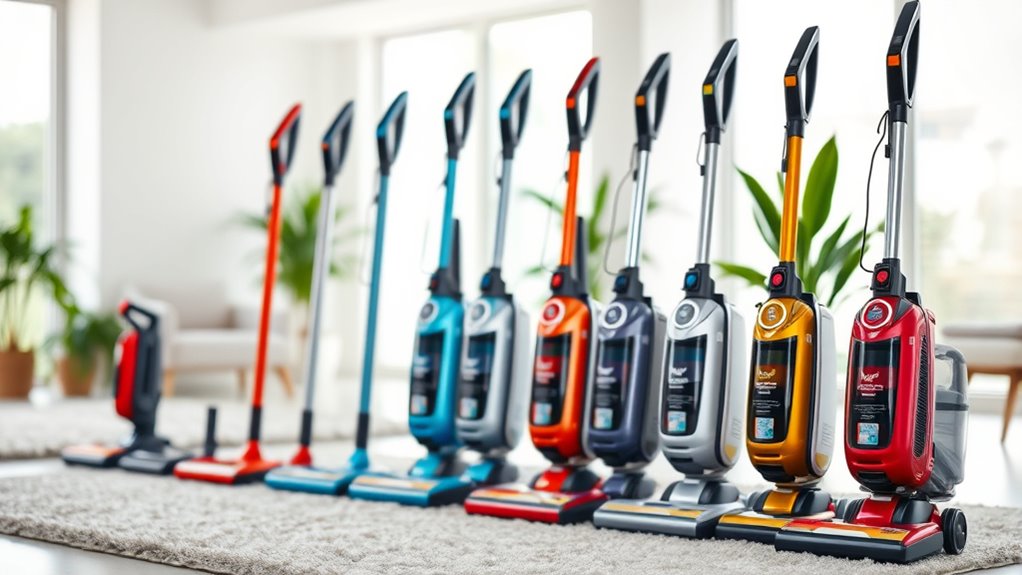
Also, think about the type of vacuum that best suits your needs. Upright vacuums generally have more powerful suction, making them effective for deep cleaning carpets. However, if you have hard floors or need to clean various surfaces, a canister vacuum might be more versatile. Some models come with specialized attachments for upholstery and crevices, which can help you tackle hidden allergens. Additionally, understanding the importance of HEPA filters can further enhance your selection process.
Finally, consider the maintenance of your vacuum. Regularly changing the HEPA filter and cleaning the vacuum itself will make sure it continues to work effectively. When you’re proactive about maintaining your vacuum, you’re not just protecting your investment; you’re also creating a healthier environment for yourself and your family. Choosing the right vacuum cleaner can greatly influence your asthma and allergy symptoms, so take your time and select one that meets all your needs.
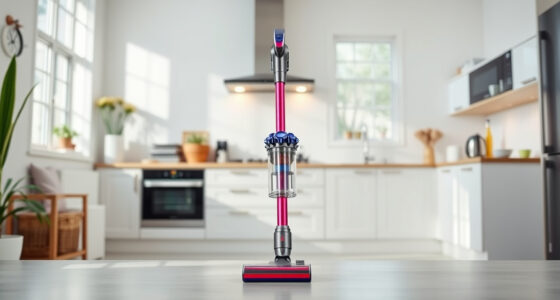
certified HEPA filter vacuum cleaner
As an affiliate, we earn on qualifying purchases.
As an affiliate, we earn on qualifying purchases.
Frequently Asked Questions
How Often Should I Replace the Vacuum Filter?
You should replace your vacuum filter every 3 to 6 months, depending on usage and your home’s dust levels. Regular vacuum maintenance is essential for peak performance and air quality. If you notice reduced suction or increased dust, it’s time for a filter replacement. Keeping your filter clean helps your vacuum work efficiently and reduces allergens in your space. Always check the manufacturer’s guidelines for specific recommendations regarding your model.
Are Bagless Vacuums Better for Allergies?
Bagless vacuums can be a double-edged sword when it comes to allergies. While they often boast convenient dust containment, they may not always have HEPA filters that trap allergens effectively. If you’re sensitive to dust, you might find that bagged options, which securely seal allergens away, are a safer bet. However, if you guarantee your bagless vacuum has a high-quality HEPA filter, it can still do a commendable job at keeping your space allergen-free.
Can I Use Essential Oils in My Vacuum?
Yes, you can use essential oils in your vacuum, but make sure it’s compatible with your machine. Adding a few drops to a cotton ball and placing it in the vacuum bag or canister can enhance scent dispersal while cleaning. However, avoid pouring oils directly into the vacuum, as they might damage components. Always check your vacuum’s manual for any specific guidelines on essential oil compatibility to guarantee safe and effective use.
What Is the Average Lifespan of a Certified Vacuum?
The average lifespan of a certified vacuum is around 8 to 12 years, but you wouldn’t guess that from the way some people treat theirs! Just like a car, regular vacuum maintenance and sticking to cleaning schedules can really extend its life. You’ll find that keeping filters clean and replacing bags or bins as needed makes a big difference. So, treat your vacuum well, and it’ll serve you longer than expected!
Do Certified Vacuums Produce Less Noise?
Yes, certified vacuums often produce less noise. They typically come with advanced sound insulation features that help reduce noise levels during operation. When you use one, you’ll notice a significant difference in how quiet they are compared to standard models. This quieter performance not only makes cleaning more pleasant but also minimizes disruptions in your home. So, if noise is a concern, you’ll likely appreciate a certified vacuum’s design.
Conclusion
When you choose a certified asthma and allergy friendly vacuum, you’re investing in your health and comfort. You might think these vacuums are too pricey, but the benefits far outweigh the cost—cleaner air and fewer allergy flare-ups mean fewer sick days and better quality of life. Plus, many of these vacuums are designed to last, saving you money in the long run. Make the switch today; your lungs will thank you!
Fall Picks
fall essentials
As an affiliate, we earn on qualifying purchases.