To control pollen at entryways, use high-quality doormats with dense bristles or textured surfaces to trap pollen on shoes and clean them regularly by shaking out or vacuuming. Vacuum floors, rugs, and mats daily with a HEPA-filter vacuum to remove settled pollen, especially around doorways. Sealing gaps around doors also prevents outdoor pollen from entering. Proper use of mats and vacuuming techniques can markedly reduce indoor pollen levels—discover more ways to improve your pollen defense as you explore further.
Key Takeaways
- Place dense, textured doormats at all entry points to trap pollen particles from shoes effectively.
- Regularly shake out or vacuum mats to remove accumulated pollen and prevent buildup.
- Use vacuums with HEPA filters to thoroughly clean mats, floors, and surrounding surfaces.
- Seal gaps around doors and windows to prevent outdoor pollen from entering the entryway.
- Incorporate high-efficiency air purifiers near entry points to capture airborne pollen before it spreads indoors.
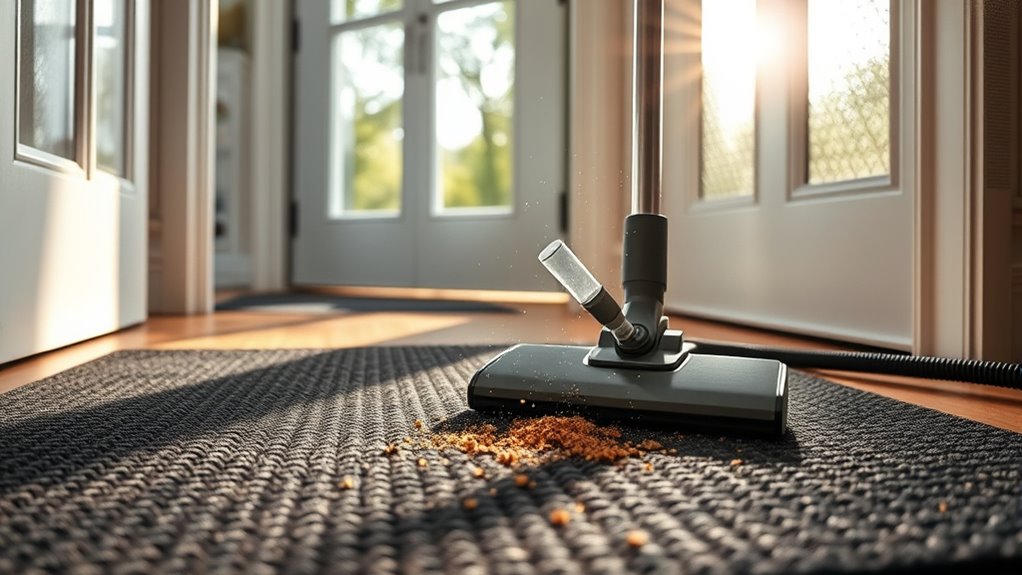
During pollen season, entryways become a primary point for pollen to enter your home, making it crucial to implement effective control measures. One of the most straightforward ways to reduce pollen invasion is by using mats and vacuuming techniques designed for maximum pollen removal. Placing high-quality doormats at every entrance is your first line of defense. Opt for mats with dense bristles or textured surfaces that trap pollen particles as you wipe your shoes. Make sure to clean these mats regularly—shaking them out or vacuuming them thoroughly—to prevent pollen buildup. This simple step drastically cuts down on the amount of pollen tracked inside, especially during peak pollen seasons.
In addition to mats, your vacuuming routine plays a critical role in maintaining a pollen-free entryway. Use a vacuum equipped with a HEPA filter, which can trap tiny pollen particles that standard vacuums might recirculate into the air. Vacuum not just the mats but also the adjacent flooring, rugs, and any visible surfaces where pollen might settle. Pay special attention to corners and edges where pollen tends to accumulate. Regular vacuuming, ideally every day during pollen season, ensures that pollen doesn’t linger and become airborne again. Incorporating advanced filtration technologies can further enhance pollen removal efficiency.
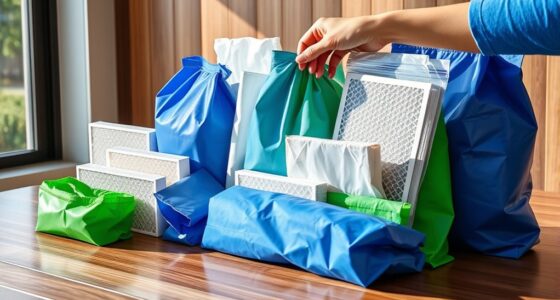
Complementing these physical barriers, air filtration inside your home is equally essential. Invest in a high-efficiency air purifier with a HEPA filter for your entryway or nearby areas. This device captures airborne pollen before it can settle into your furniture or be inhaled. Proper air filtration reduces indoor pollen levels, making your home more comfortable and allergy-friendly during high pollen periods. Additionally, consider sealing gaps around doors and windows to prevent outdoor pollen from seeping in when you open the door or during windy days.
Seasonal cleaning is another crucial step. Beyond vacuuming, wipe down surfaces, including doors, doorframes, and light switches, with damp cloths to remove pollen residues. Wash or replace any fabric or upholstery near the entryway that can harbor pollen, like doormats, curtains, or cushions, during peak pollen times. This routine prevents pollen from accumulating and becoming airborne later, especially when you open doors or shake out items.
Frequently Asked Questions
Can Indoor Plants Help Reduce Pollen Entry?
Indoor plants can help improve indoor air quality, but they don’t substantially reduce pollen entry. While they may filter some airborne allergens, they aren’t a reliable method for allergen reduction. To better control pollen, focus on using entryway mats and vacuuming techniques. You can still enjoy indoor plants for their aesthetic and air-purifying benefits, just don’t rely on them solely for pollen control.
How Often Should Entryway Mats Be Replaced?
Think of entryway mats like tires on a car—they wear out over time. You should replace your mats every 6 to 12 months, depending on their durability and how much foot traffic they endure. If you notice fraying, thinning, or persistent dirt, it’s time for a new one. Regular replacement guarantees maximum pollen trapping, keeping your entryway cleaner and healthier for your home.
Are There Eco-Friendly Vacuum Options for Pollen Removal?
Yes, there are eco-friendly vacuum options for pollen removal. You can choose vacuums with energy-efficient motors, HEPA filters, and sustainable materials that reduce environmental impact. These eco-friendly vacuums effectively trap pollen particles, ensuring sustainable pollen removal without harming the planet. By opting for such models, you not only maintain a cleaner entryway but also contribute to environmental conservation. Look for brands committed to sustainability for the best results.
What Are the Best Materials for Pollen-Trapping Mats?
For pollen-trapping mats, you should choose effective material choices like nylon, coconut coir, or microfiber. Nylon mats are durable and highly effective at capturing pollen particles, while coconut coir offers natural, eco-friendly benefits. Microfiber mats excel at trapping fine pollen and dirt. These materials help keep pollen out of your space, reducing allergens and maintaining a cleaner entryway. Select the one that best fits your eco-friendly goals and traffic needs.
How Does Weather Affect Pollen Accumulation in Entryways?
Weather acts like a restless wind, stirring up pollen and causing seasonal peaks. When it’s windy, wind-driven pollen floods entryways, making cleanup tougher. During dry, windy days, pollen settles less but spreads more easily onto mats and floors. Rain and humidity, however, wash pollen away or keep it airborne longer. So, you’ll notice increased pollen buildup during windy, dry periods, requiring more frequent cleaning to keep entryways pollen-free.
Conclusion
Think of your entryway as a fortress guarding your home from pollen invaders. Mats act as your first line of defense, catching the enemy before they enter. Vacuuming is like a skilled patrol, sweeping away any remaining intruders. By consistently maintaining these defenses, you’re creating a barrier that keeps your indoor air clean and healthy. Stay vigilant, and your home will stand strong against pollen invasions, just like a well-guarded fortress.