When choosing a vacuum for allergy relief, look for models with HEPA filters that trap 99.97% of allergens. Sealed suction systems are essential to prevent allergen escape while cleaning. Consider lightweight designs for easier use and specialized pet hair attachments if you have furry friends. Remember to maintain your vacuum with regular filter changes and thorough cleaning to guarantee effective allergen containment. There’s more to discover about the best options for allergy sufferers.
Key Takeaways
- Look for vacuums equipped with HEPA filters to effectively trap allergens and maintain better indoor air quality.
- Choose models with sealed suction systems to prevent allergen leakage during cleaning and ensure effective containment.
- Opt for lightweight vacuums for easier maneuverability, encouraging frequent cleaning to manage allergens effectively.
- Consider additional features like indicator lights for filter changes and specialized pet hair attachments if you have pets.
- Regular maintenance, including replacing HEPA filters and cleaning the vacuum, is essential for optimal allergen control.

If you struggle with allergies, you know how essential it is to keep your home clean and free from irritants. One of the best tools at your disposal is a high-quality vacuum cleaner designed specifically for allergy sufferers. When choosing a vacuum, focus on features that enhance allergen containment and reduce exposure to dust, pet dander, and other allergens.
First off, look for vacuums equipped with HEPA filters. These filters trap 99.97% of particles as small as 0.3 microns, ensuring that what gets sucked into the vacuum doesn’t escape back into the air. This is critical for maintaining good indoor air quality. If you’ve ever noticed sneezing or itchy eyes after vacuuming, it might be because your current vacuum isn’t effectively containing allergens. A vacuum with a HEPA filter can greatly reduce this issue, allowing you to clean without worrying about kicking up dust and allergens.
Another essential feature is sealed suction systems. This technology prevents allergens from leaking out during the cleaning process. It’s not enough to just have a HEPA filter; the entire vacuum should be designed to contain allergens effectively. Look for models that advertise “allergen containment” as a selling point. This means the vacuum is built to guarantee that allergens stay trapped inside, even when you’re emptying the bin or changing the bag.
Consider your cleaning needs as well. If you have pets, a vacuum with specialized pet hair attachments can make a big difference. Pet dander is a common allergen, and having a vacuum that effectively tackles pet hair and dander will help reduce allergens in your home. Additionally, lightweight models can make it easier to clean frequently, which is crucial for managing allergies.
Don’t overlook the importance of maintenance, either. Regularly replacing HEPA filters and cleaning the vacuum itself will keep it performing at its best. Some models even have indicator lights to remind you when it’s time to change the filter or empty the bin, making sure you’re always ready to tackle those allergens.
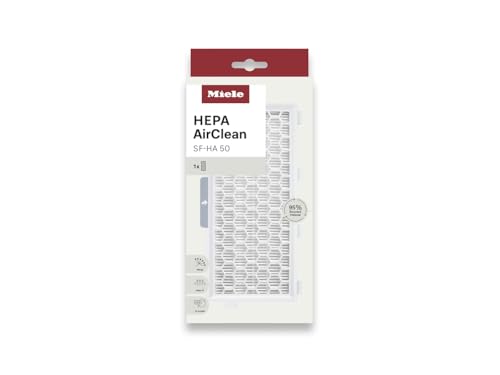
Miele Genuine HEPA AirClean Filter SF-HA 50 for Miele Guard M1, L1, Complete C2, C3 & Compact C1, C2 Vacuum Cleaners, Great for Allergy Sufferers
- Compatible Models: Miele Guard M1, L1, C2, C3, C1, C2
- Allergy Protection: Traps airborne particles and allergens
- Easy Maintenance: Replace annually for optimal performance
As an affiliate, we earn on qualifying purchases.
As an affiliate, we earn on qualifying purchases.
Frequently Asked Questions
How Often Should I Vacuum to Reduce Allergens Effectively?
To effectively reduce allergens, you should stick to a vacuuming schedule of at least once a week. If you have pets or live in a high-allergen area, consider vacuuming more frequently, even every few days. Regular allergen removal frequency helps keep dust, pet dander, and pollen at bay, making your home healthier. Don’t forget to use a vacuum with a HEPA filter for the best results in trapping those pesky allergens.
Can Vacuuming Help With Pet Dander Allergies?
Sure, vacuuming can be your best friend when it comes to taming that pesky pet dander! Regularly removing pet hair helps keep your home free from those unwelcome dust mites that love to thrive in fur. By making vacuuming a routine, you’re not just cleaning; you’re creating a healthier environment for yourself. So grab that vacuum, and let it work its magic to keep your allergies at bay. You’ll breathe easier in no time!
Are Bagless Vacuums Better for Allergy Sufferers?
Bagless vacuums can be better for allergy sufferers due to their bagless advantages, like easier emptying and no bags to harbor dust. However, you should consider the allergy filter types they use. Models with HEPA filters effectively trap allergens, preventing them from recirculating in your home. Just make sure you empty the canister outside to minimize exposure to allergens. Overall, a well-designed bagless vacuum can definitely help manage allergy symptoms.
What Maintenance Is Required for Allergy-Friendly Vacuums?
To keep your allergy-friendly vacuum performing at peak potential, prioritize proper upkeep. Frequently focus on filter replacement; most filters should be swapped every few months. Don’t forget to dedicate time to brush cleaning; tangled hair and dust diminish efficiency. With consistent care, your vacuum will effectively eliminate allergens, ensuring your living space remains fresh and clean. By maintaining these key components, you’ll enjoy a healthier home environment without sneezes or sniffles.
Do I Need Special Filters for My Vacuum?
Yes, you do need special filters for your vacuum. HEPA filters are essential for effective air filtration, as they trap allergens and fine particles that regular filters might miss. When you use a vacuum with a HEPA filter, you’ll notice a significant improvement in your home’s air quality. Just remember to check and replace the filters regularly to maintain peak performance and keep your environment allergen-free.
Conclusion
Choosing the right vacuum can transform your home into a healthier haven. By selecting a model with HEPA filters, strong suction, and allergen-reducing features, you’re not just cleaning; you’re breathing easier, living better, and feeling more at ease. Investing in a vacuum designed for allergy sufferers means you’re prioritizing your health, enhancing your comfort, and safeguarding your space. So, take the leap, make the switch, and enjoy a cleaner, fresher environment every day.