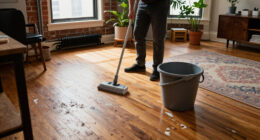
To better manage your COPD symptoms, it’s important to vacuum regularly using a vacuum with a HEPA filter to trap tiny particles. Wear a mask, open windows, and move furniture to minimize dust movement. Maintain proper ventilation and keep your vacuum well-maintained. Incorporating dusting and washing soft furnishings also helps improve air quality. If you follow these tips, you’ll find it easier to breathe—keep exploring for more helpful advice.

Get cleaning gear delivered free with Prime
- Fast, free delivery on millions of items
- Prime Video, Amazon Music and more included
- Member-only deals all year
Key Takeaways
- Use a vacuum cleaner with a HEPA filter to effectively trap airborne allergens and reduce irritants.
- Vacuum regularly to prevent dust and dander buildup, supporting better air quality and easier breathing.
- Wear a mask and improve ventilation during vacuuming to minimize inhalation of dust particles.
- Maintain your vacuum with regular filter changes to ensure optimal performance and air cleanliness.
- Combine vacuuming with dusting and washing soft furnishings to create a comprehensive approach to respiratory health.

Keeping your home clean is especially important if you have COPD, as dust, pet dander, and other airborne particles can worsen your symptoms. One of the most effective ways to maintain good air quality is by establishing consistent cleaning routines, with vacuuming playing a key role. Regular vacuuming helps reduce the buildup of irritants that can trigger breathing difficulties, making it easier to breathe comfortably at home. However, it’s essential to approach vacuuming carefully to avoid stirring up dust and allergens that could compromise your respiratory health.
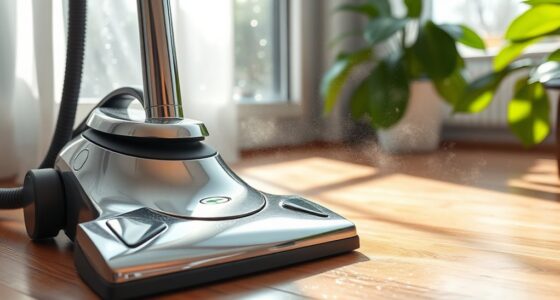
When planning your cleaning routines, choose a vacuum cleaner designed for allergy and asthma sufferers. Look for models with HEPA filters, which trap tiny particles like pet dander, pollen, and dust mites. These filters prevent allergens from being released back into the air during vacuuming, maintaining a cleaner environment and improving air quality. Make sure your vacuum is well-maintained, with regular filter changes and bag replacements, to ensure it continues to work efficiently and doesn’t become a source of airborne irritants.
Before you start vacuuming, take a few preparatory steps. Open windows or turn on exhaust fans to improve ventilation and help disperse any dust that becomes airborne during cleaning. Wearing a mask, especially if you’re sensitive to dust or have a severe form of COPD, can further protect your lungs. Moving furniture and other objects out of the way allows you to clean more thoroughly, ensuring dust and debris don’t get trapped underneath or behind large items. When vacuuming, slow and deliberate movements help prevent stirring up dust too aggressively, reducing the risk of triggering symptoms.
It’s also important to focus on other aspects of your cleaning routines to complement vacuuming. Regular dusting with a damp cloth prevents dust from settling and becoming airborne during vacuuming. Washing bedding, curtains, and soft furnishings frequently removes dust mites and pet dander that vacuuming alone might not eliminate. Maintaining a low humidity level in your home, ideally between 30-50%, discourages mold growth and dust mites, further improving air quality.
Incorporating these practices into your cleaning routines can markedly improve your respiratory health. Consistent, mindful vacuuming, combined with good ventilation and thorough dust control, helps minimize airborne irritants. This proactive approach not only reduces your symptoms but also creates a safer, more comfortable living environment. By staying diligent with your cleaning habits, you empower yourself to breathe easier and manage your COPD more effectively.
HEPA filter vacuum cleaner for allergies
As an affiliate, we earn on qualifying purchases.
As an affiliate, we earn on qualifying purchases.
Frequently Asked Questions
Can Vacuuming Worsen COPD Symptoms?
You might worry that vacuuming could worsen your COPD symptoms, but it really depends on how you do it. Proper allergen control and maintaining good air quality are key. Use a vacuum with a HEPA filter to reduce dust and allergens in the air. Always ventilate the area well, wear a mask if needed, and avoid overexertion. These steps help protect your lungs and keep symptoms from flaring up.
How Often Should COPD Patients Vacuum Their Homes?
You should vacuum your home at least once or twice a week to maintain good indoor air quality and prevent allergies. Regular vacuuming helps remove dust, pet dander, and other irritants that can worsen COPD symptoms. Use a HEPA filter vacuum to trap small particles effectively. Consistent cleaning reduces allergy triggers, making your environment safer and more comfortable, and supports your overall respiratory health.
Are There Specific Vacuum Types Recommended for COPD?
Ever think a superhero vacuum exists? For COPD, you need one with a high-quality vacuum filter and adjustable suction power, not just any tool. You want a vacuum that captures tiny particles without stirring up dust. Look for models with HEPA filters and variable suction control—these guarantee you remove allergens safely. Choosing the right vacuum makes a difference, helping you breathe easier while keeping your home clean.
Is It Safe for COPD Patients to Use a Vacuum Alone?
You might wonder if it’s safe to vacuum alone with COPD. It’s generally okay if you take air quality concerns into account, like avoiding dust and using a HEPA filter. Also, consider ergonomic factors, such as using a lightweight vacuum or proper posture to prevent strain. However, always listen to your body, and it’s wise to have someone nearby in case you need assistance or experience symptoms during cleaning.
What Precautions Should Be Taken During Vacuuming With COPD?
Did you know poor air quality can worsen COPD symptoms? During vacuuming, take precautions by ensuring good ventilation, like opening windows, to prevent dust buildup. Regular vacuum maintenance, including changing filters and cleaning attachments, reduces airborne irritants. Always wear a mask if needed, and avoid overexertion. These steps help protect your lungs and make cleaning safer, keeping your air quality better and symptoms under control.
Conclusion
Remember, vacuuming isn’t just about cleaning; it’s like giving your lungs a gentle boost. By following your respiratory therapist’s advice, you can clear away the debris that clouds your breathing, making each breath a little easier. Think of it as tending a delicate garden—regular care keeps everything thriving. Stay consistent, stay mindful, and let your efforts be the sunshine that helps your lungs bloom back to life.
Halloween Picks
halloween
As an affiliate, we earn on qualifying purchases.