
Controlling dust in your home workspace is essential for your health, focus, and productivity. Dust particles can cause respiratory issues, allergies, and fatigue, making it harder to stay alert. Using air purifiers, maintaining proper humidity levels, and cleaning regularly help minimize dust buildup. Keeping your space clean and well-ventilated creates a healthier environment where you can work comfortably. Want to discover effective strategies to keep your workspace dust-free? Keep exploring to find out more.

Get cleaning gear delivered free — and shop member deals
- Fast, free delivery on millions of items
- Access to Prime Big Deal Days deals on October 6–7
- Prime Video, Amazon Music and more included
Key Takeaways
- Dust reduces indoor air quality, leading to respiratory issues and allergies for home workers.
- Accumulated dust hampers concentration, decreasing productivity and focus during work hours.
- Proper dust control prevents discomfort and fatigue, supporting overall work efficiency at home.
- Using air purifiers and maintaining humidity levels minimizes airborne dust and related health risks.
- Regular cleaning and workspace maintenance create a healthier, more comfortable environment for remote work.

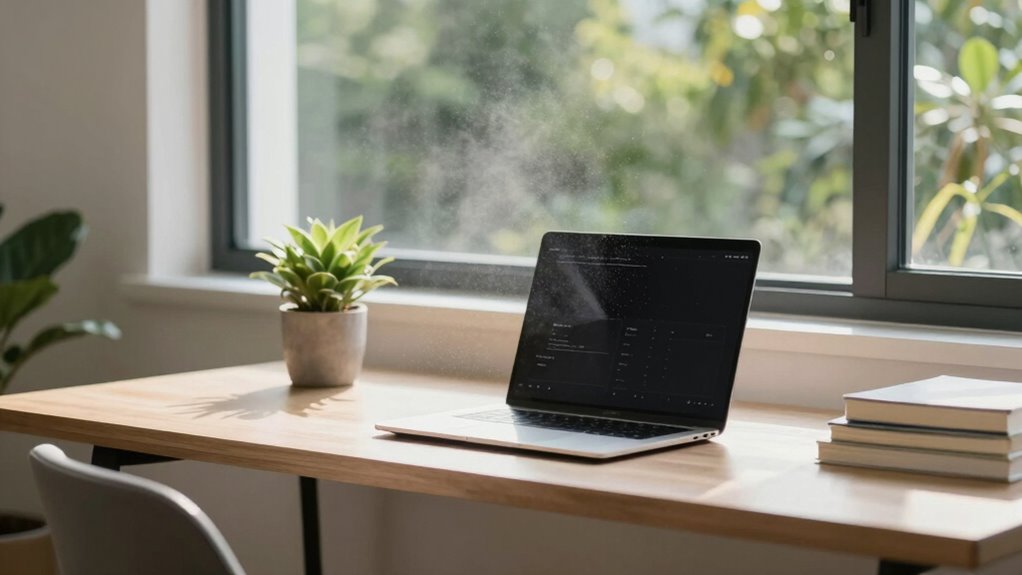
Creating a clean and healthy work-from-home space is vital for your productivity and well-being, especially when dust particles can quickly accumulate in a home environment. Dust isn’t just a nuisance; it can impact your respiratory health, cause allergies, and make it harder to concentrate. That’s why controlling dust should be a top priority. One effective way to do this is through proper air purification, which removes airborne dust particles before they settle on your desk or get inhaled. Using air purifiers with HEPA filters can greatly reduce dust in the air, creating a cleaner breathing environment. Regularly changing or cleaning these filters guarantees they stay effective, helping you maintain a space that’s safe and comfortable.
Effective air purification with HEPA filters keeps your workspace clean and promotes healthier breathing.
Alongside air purification, managing humidity levels plays an important role in dust control. When humidity is too low, dust particles become lighter and stay airborne longer, increasing your exposure. On the other hand, high humidity can cause mold and mildew, which are just as harmful. Striking the right balance — ideally around 40-50% humidity — minimizes dust circulation and prevents particles from becoming too dry or too damp. You can achieve this with a humidifier or dehumidifier, depending on your environment. Proper humidity management not only reduces dust but also makes it easier to breathe and keeps your skin from drying out, enhancing your overall comfort. Additionally, monitoring indoor air quality** can help you identify when dust or other pollutants are reaching levels that require intervention. Incorporating air quality monitoring devices provides real-time data, empowering you to take timely action. Implementing dust mitigation strategies can further enhance your efforts and create a healthier workspace. Furthermore, understanding the types of dust** common in residential environments can help you target your cleaning and filtration strategies more effectively.
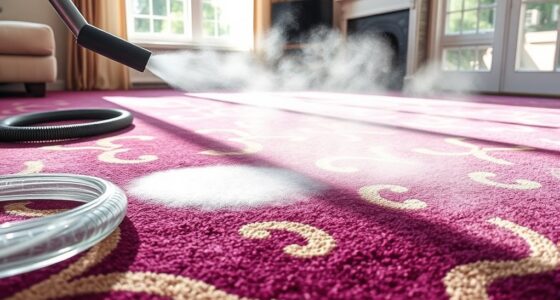
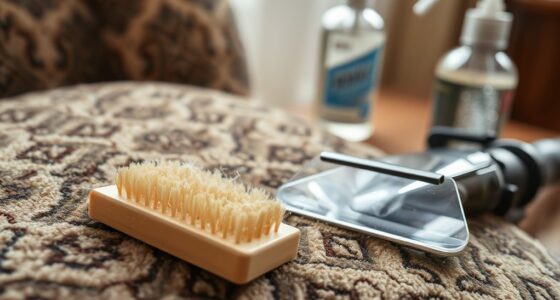
Maintaining a tidy workspace is also essential. Regular dusting with a damp cloth traps dust instead of spreading it around, and vacuuming carpets or rugs frequently prevents dust buildup. If you work on a desk with fabric or paper, keep these surfaces clean and clutter-free. You’ll notice a difference in air quality and a reduction in dust particles settling on your belongings. Using air purification and humidity management together creates a synergistic effect, greatly reducing dust and improving your indoor air quality.
You might think dust control requires complicated equipment or extensive effort, but small, consistent actions make a big difference. Investing in a good air purifier and monitoring humidity levels can transform your workspace into a healthier zone. Remember, a cleaner work environment doesn’t just protect your lungs—it also boosts your focus, reduces fatigue, and helps you stay more productive throughout the day. Dust control isn’t just about cleanliness; it’s about creating a space that supports your health and work efficiency in the long run.
HEPA air purifier for home office
As an affiliate, we earn on qualifying purchases.
As an affiliate, we earn on qualifying purchases.
Frequently Asked Questions
How Often Should I Clean My Home Workspace to Reduce Dust?
You should clean your home workspace at least once a week to effectively reduce dust. Regular cleaning frequency helps prevent dust accumulation, which can trigger allergies or respiratory issues. Focus on dusting surfaces, vacuuming carpets, and wiping down electronics. By maintaining a consistent cleaning routine, you minimize dust buildup, creating a healthier environment for work and preventing potential health problems caused by dust accumulation.
Can Air Purifiers Completely Eliminate Dust in My Home Office?
Air purifiers can’t completely eliminate dust in your home office, but they considerably reduce it. Proper air purifier maintenance guarantees ideal performance, especially when filtering dust particles, which vary in size. While they help improve air quality, regular cleaning and good ventilation are essential for managing dust effectively. Relying solely on an air purifier isn’t enough; combine it with a consistent cleaning routine for the best results.
What Are the Best Materials for Dust-Resistant Home Office Furniture?
You should opt for furniture made from materials with dust-resistant coatings and hypoallergenic fabrics. These features help prevent dust accumulation and reduce allergens, making your workspace cleaner and healthier. Look for desks and chairs with sealed surfaces or treated finishes, and choose upholstery with hypoallergenic fabrics like tightly woven polyester or leather. Regular cleaning also enhances dust resistance, keeping your home office fresh and comfortable.
Does Pet Dander Impact Dust Levels in Work-From-Home Spaces?
Imagine you’re in a Victorian parlor—pet dander can profoundly impact dust levels in your workspace. If you’re prone to pet allergies, it’s essential to focus on dander removal. Pet dander contributes to dust buildup, aggravating allergies and reducing air quality. Regular cleaning, air purifiers, and choosing pet-friendly furniture help control dander. This keeps your home office healthier, ensuring you breathe easier and stay productive in your work-from-home environment.
Are There Specific Ventilation Tips for Minimizing Dust Accumulation?
You can minimize dust accumulation by maintaining your HVAC system regularly and replacing filters as recommended. Use high-quality air filtration systems to trap dust particles effectively. Guarantee proper ventilation by opening windows when possible and using exhaust fans. Keep vents clean and unobstructed, and consider upgrading filters to HEPA versions for better dust control. Regularly scheduling HVAC maintenance helps keep dust levels low, creating a healthier workspace at home.
Conclusion
By keeping dust at bay, you’re not just cleaning your space—you’re creating a sanctuary where clarity and focus can flourish. Think of your work-from-home area as a delicate garden; each dust particle is like weeds that threaten to choke your productivity. Tending to it regularly guarantees your environment stays vibrant and inviting, allowing your ideas to bloom without interference. When dust is under control, your workspace becomes a haven of clarity, ready to nurture your best work.
Fall Picks
fall essentials
As an affiliate, we earn on qualifying purchases.