Hidden allergens like dust mites, pet dander, and chemical residues can linger in your upholstery and affect your health. Regular vacuuming with a HEPA filter, along with steam cleaning, can effectively remove these allergens. Opt for natural fabrics and eco-friendly cleaning products to minimize exposure to harmful chemicals and VOCs. Keeping your furniture clean not only improves your indoor air quality but also extends its lifespan. There’s more to learn about effective practices and material choices.
Key Takeaways
- Regularly vacuum upholstery with a HEPA-filtered vacuum to capture allergens like dust and pet dander effectively.
- Steam clean furniture to eliminate dust mites, bacteria, and chemical residues, enhancing sanitization.
- Choose natural, untreated fabrics like cotton and linen to reduce allergen retention in upholstery.
- Opt for eco-friendly cleaning products to avoid harsh chemicals and VOCs that irritate respiratory systems.
- Schedule professional upholstery cleaning periodically for comprehensive allergen removal and improved indoor air quality.

While you might think your home is a safe haven, hidden allergens lurking in your upholstery can turn it into a breeding ground for respiratory issues. You may not realize it, but fabric dust is settling into your sofas and chairs, creating an environment that can trigger allergies and asthma. This dust, along with other allergens like pet dander and pollen, accumulates over time, often going unnoticed until it starts affecting your health.
Hidden allergens in your upholstery can transform your home into a source of respiratory issues, triggering allergies and asthma.
The fabric you choose for your furniture can also harbor chemical residues. Many upholstery materials are treated with chemicals that can emit volatile organic compounds (VOCs). These substances can irritate your respiratory system, leading to coughing, sneezing, and even headaches. If you’ve recently redecorated or purchased new furniture, you might be unknowingly exposing yourself to these harmful compounds.
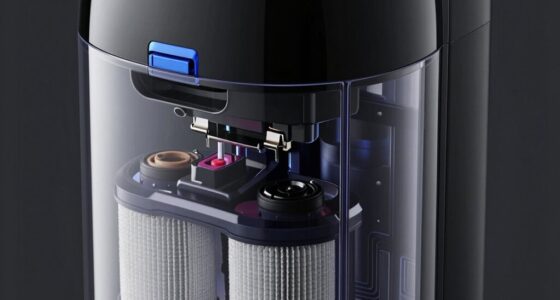
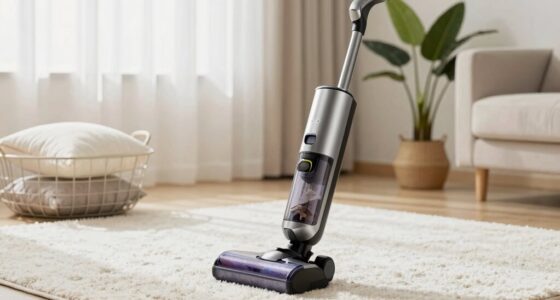
Cleaning your upholstery regularly is vital to reduce the presence of these allergens. Start by vacuuming your furniture with a vacuum cleaner equipped with a HEPA filter. This type of filter traps smaller particles, including fabric dust, preventing them from being released back into the air. Make sure to vacuum every nook and cranny, including under cushions and along seams, where dust tends to accumulate. You might find a surprising amount of debris lurking in these hidden spots.
For a deeper clean, consider using a steam cleaner or hiring a professional upholstery cleaning service. Steam cleaning can effectively eliminate dust mites, bacteria, and chemical residues that regular vacuuming might miss. The heat from the steam not only cleans but also sanitizes your upholstery, providing an extra layer of protection against allergens. If you’re concerned about chemical residues, look for eco-friendly cleaning solutions that are free from harsh chemicals and VOCs.
In addition to cleaning, think about the materials you choose when purchasing new upholstery. Opt for natural fibers like cotton or linen, which are less likely to harbor allergens compared to synthetic materials. Additionally, confirm that any new furniture is free from harmful chemical treatments. Exploring crochet techniques can also introduce a creative way to incorporate allergen-free materials into your home decor.

2 Pack Washable Replacement 2-in-1 Corded Stick Vacuum Cleaner Filters – HEPA Filter Accessories Compatible with Merlin SC861, SC861A Upright Models, 8.5CM Height Gray White Plastic Parts
- High-Efficiency HEPA Filtration: Captures dust, pollen, and debris effectively
- Compatible with Merlin Models: Fits SC861 and SC861A vacuum cleaners
- Easy to Install and Maintain: No tools needed for removal and washing
As an affiliate, we earn on qualifying purchases.
As an affiliate, we earn on qualifying purchases.
Frequently Asked Questions
Can Pets Contribute to Hidden Allergens in Upholstery?
Yes, pets can definitely contribute to hidden allergens in upholstery. Pet dander is a major allergen source that can cling to furniture and fabrics, causing discomfort for allergy sufferers. When your furry friends shed skin flakes or fur, those particles settle into your upholstery, creating a breeding ground for allergens. Regular cleaning and vacuuming can help minimize these allergens, making your home a more comfortable environment for everyone, including your guests.
How Often Should Upholstery Be Cleaned to Reduce Allergens?
If you’ve ever seen a friend’s dog sneeze on their couch, you know how fast allergens can build up. To reduce allergens effectively, you should clean your upholstery every six months. Creating a cleaning schedule helps you stay on track and prevents significant allergen buildup. Regular vacuuming and spot cleaning can also make a difference. Don’t forget to use an upholstery attachment to capture those pesky particles hiding in the fabric!
Are Certain Fabrics More Likely to Harbor Allergens?
Yes, certain fabric types are more likely to harbor allergens. For instance, natural fibers like wool and cotton can retain moisture, making them prone to dust mites and mold. Synthetic fabrics, while less absorbent, can still trap allergens in their texture. If you’re concerned about allergen retention, consider using microfiber or leather, which resist dust and are easier to clean. Regular maintenance is key to reducing allergens in your home.
Is Professional Cleaning Necessary for Allergen Removal?
Professional cleaning is often necessary for effective allergen removal. While you can vacuum and spot clean, dust mites and chemical residues can linger in upholstery fibers. A professional service uses specialized equipment and techniques to eliminate these hidden allergens thoroughly. They can reach deeper layers that regular cleaning might miss, ensuring a healthier environment for you. So, if you’re serious about reducing allergens, investing in professional cleaning is a wise choice.
Can Air Purifiers Help Reduce Allergens From Upholstery?
Absolutely, air purifiers can substantially help reduce allergens from upholstery! Imagine breathing easier in your home. With the right air purifier effectiveness, it captures dust, pet dander, and pollen floating around. Combine this with other allergen reduction techniques, like regular vacuuming and washing fabrics, and you’ve got a powerful strategy. Don’t underestimate the impact a good air purifier can have; it’s like having a silent ally against allergens lurking in your space!
Conclusion
In conclusion, tackling hidden allergens in your upholstery is essential for a healthier home. Did you know that nearly 50 million Americans suffer from allergies each year? Regularly cleaning your furniture, using allergen-proof covers, and opting for hypoallergenic fabrics can considerably reduce these triggers. By taking these simple steps, you can create a more comfortable environment, ensuring you and your family breathe easier and enjoy a cleaner living space. Don’t wait—start tackling those allergens today!