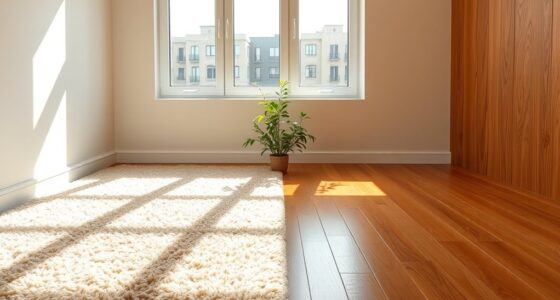

If you suffer from allergies, hardwood flooring is usually a better choice than low-pile carpets because it traps fewer allergens and is easier to clean. Hardwood surfaces don’t hold pet dander, dust mites, or pollen as much, reducing airborne particles and making allergy symptoms less severe. Regular sweeping and mopping help keep allergens at bay. Keep exploring to find out how each flooring type impacts allergens and allergy relief strategies.

Get cleaning gear delivered free — and shop member deals
- Fast, free delivery on millions of items
- Access to Prime Big Deal Days deals on October 6–7
- Prime Video, Amazon Music and more included
Key Takeaways
- Hardwood surfaces trap fewer allergens and are easier to clean than low-pile carpets.
- Regular sweeping and mopping on hardwood effectively reduce pet dander and dust mites.
- Carpets can harbor allergens deep within fibers, increasing allergy symptoms if not cleaned frequently.
- Hardwood minimizes allergen buildup, leading to improved indoor air quality and fewer allergy flare-ups.
- Easy maintenance of hardwood makes it more suitable for allergy sufferers compared to carpets.
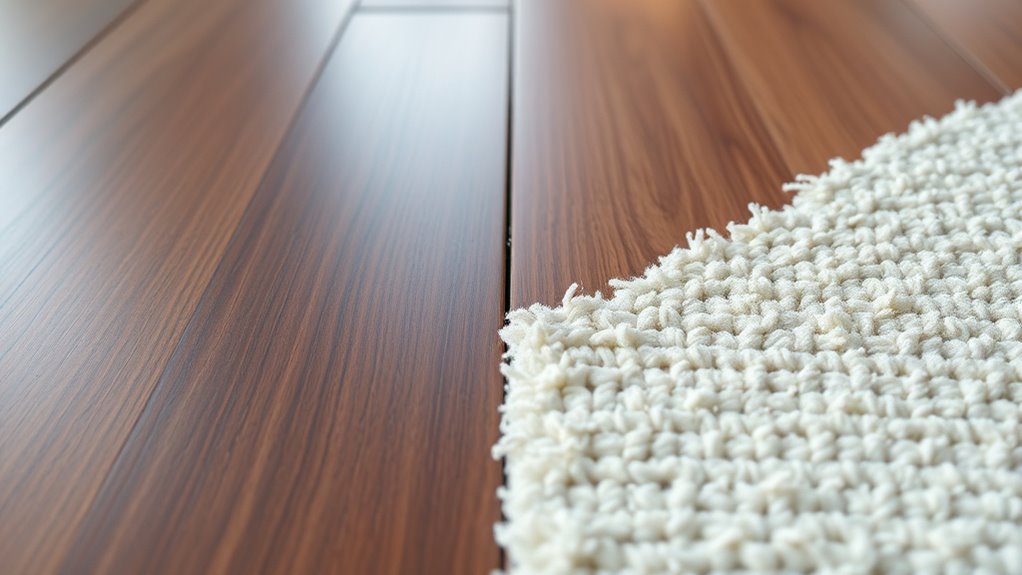
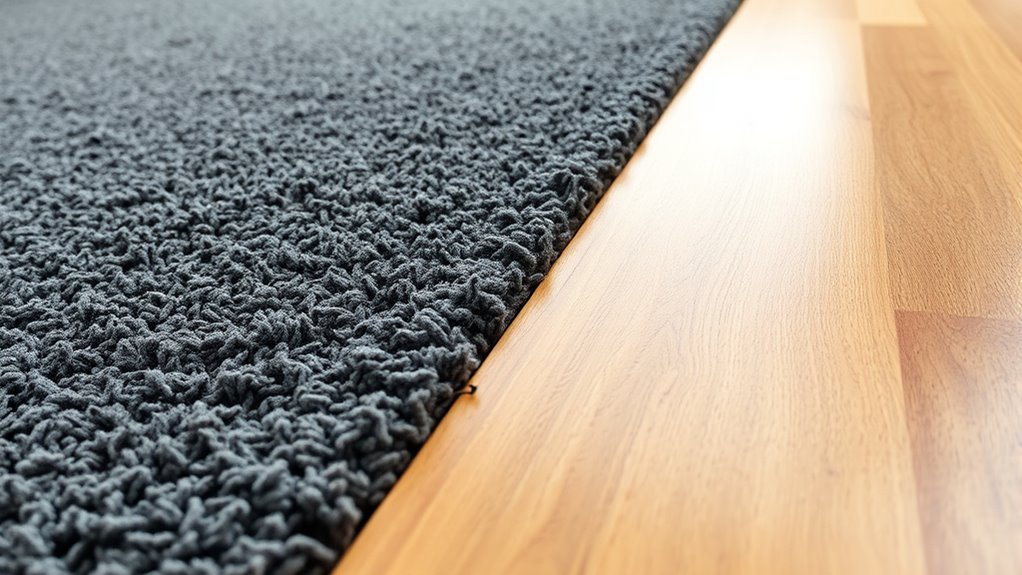
When choosing flooring for your home, low-pile carpets and hardwood are two popular options that offer distinct advantages. If you or your family members suffer from allergies, especially pet allergies, understanding how each flooring impacts allergy triggers is essential. Pet allergies are often worsened by allergens like pet dander, dust mites, and pollen that settle into flooring materials. Low-pile carpets tend to trap these allergens more than hardwood, making it harder to keep your living space allergen-free. The dense fibers of low-pile carpets can harbor pet dander, dust, and other allergy triggers, which are released into the air when you walk or vacuum. This can worsen allergy symptoms, especially if you don’t clean frequently or thoroughly. While regular vacuuming helps, it might not eliminate all allergens embedded deep within the carpet fibers, leaving allergy sufferers vulnerable.
On the other hand, hardwood flooring is generally better for allergy sufferers because it doesn’t trap allergens as easily. Its smooth, hard surface makes it easier to clean and maintain, reducing the buildup of pet dander and dust mites. With hardwood, you can quickly sweep or mop away potential allergy triggers, keeping your environment cleaner. This ease of cleaning means less particulate matter becomes airborne, which is vital for those sensitive to pet allergies. Additionally, hardwood doesn’t harbor mold or bacteria as much as carpets can, especially if spills or moisture are involved, further reducing allergy risks. For households with pets, hardwood flooring can be a notable advantage since it minimizes pet dander accumulation, which is a common allergy trigger.
However, it’s worth noting that hardwood isn’t completely allergen-proof. If you have pets, their fur and dander can still settle on the surface, but they are much easier to remove compared to carpet fibers. Using a HEPA filter vacuum and regular cleaning can considerably reduce allergy triggers on hardwood floors. For those with severe allergies, choosing hardwood with a finish that resists dust and pet dander buildup can make a noticeable difference. In contrast, low-pile carpets might require more frequent professional cleaning to manage allergy triggers effectively, which can become inconvenient and costly over time. Additionally, selecting flooring materials with low allergen retention can further improve indoor air quality for allergy sufferers.
HEPA filter vacuum cleaner for pet dander
As an affiliate, we earn on qualifying purchases.
As an affiliate, we earn on qualifying purchases.
Frequently Asked Questions
How Do Pet Allergies Differ Between Low-Pile Carpets and Hardwood?
Pet allergies tend to be worse with low-pile carpets because they trap pet dander and carpet fibers, making it harder to remove allergens. Hardwood floors, on the other hand, don’t hold onto pet dander as much, allowing you to clean more effectively and reduce allergy symptoms. If you have pet allergies, choosing hardwood can help minimize exposure to pet dander and improve your indoor air quality.
Can Regular Cleaning Completely Eliminate Allergens From Either Flooring Type?
Regular cleaning can considerably reduce allergens on both low-pile carpets and hardwood floors, but it may not eliminate them completely. You should vacuum frequently with a high-efficiency filter to remove pet dander and dust. Using the right cleaning tools, like a HEPA filter vacuum or damp cloths, helps trap allergens more effectively. Consistent, thorough cleaning minimizes allergy triggers but might need to be combined with other measures for full relief.
Are There Hypoallergenic Options for Low-Pile Carpets?
Yes, you can find hypoallergenic options for low-pile carpets. Look for carpets made from hypoallergenic fibers like nylon, Triexta, or wool, which naturally resist allergens. Additionally, choose carpets with allergy-friendly treatments that help prevent dust mites and mold growth. Regular cleaning with a HEPA filter vacuum also enhances allergy prevention. These choices make low-pile carpets more suitable for allergy sufferers, reducing allergen buildup effectively.
How Does Humidity Affect Allergen Buildup on These Surfaces?
Humidity levels directly influence allergen accumulation on your surfaces. When humidity is high, it creates a damp environment that encourages mold, dust mites, and pet dander to thrive, especially on low-pile carpets. Conversely, controlling humidity with dehumidifiers or air conditioning keeps allergens at bay, reducing buildup. On hardwood, you might see less allergen accumulation overall, but maintaining proper humidity still helps keep your space healthier and allergy-free.
Which Flooring Is Better for Asthma Sufferers?
If you’re an asthma sufferer, hardwood flooring is generally better for your respiratory health. It reduces airborne irritants like dust and pet dander that can get trapped in carpets, helping improve airflow and decrease asthma triggers. Hardwood’s smooth surface makes cleaning easier, preventing allergen buildup. Choosing hardwood minimizes exposure to airborne irritants, supporting better respiratory health and reducing asthma symptoms, especially if you regularly vacuum and keep the surface dry.
Conclusion
Just like choosing between a cozy forest floor and a gleaming hardwood, your allergy needs guide you. Low-pile carpets can trap allergens, much like leaves hiding under a blanket of moss, while hardwood floors offer a sleek, allergen-free surface—think of a clear, open path. Ultimately, the decision depends on your sensitivity. Picture yourself walking through this choice, weighing the comfort of the forest against the simplicity of the open plain, and pick what feels right for your health.
Fall Picks
fall essentials
As an affiliate, we earn on qualifying purchases.