Hard-to-reach dust in hidden spots keeps releasing allergens like pet dander, pollen, and mold spores into the air. When disturbed, these allergens become airborne and circulate throughout your room, worsening allergies and asthma. Poor airflow allows dust to settle back on surfaces, creating a cycle of ongoing contamination. Regular surface cleaning isn’t enough; targeted methods and good ventilation are key. Keep going to discover simple ways to improve your overall indoor air quality.
Key Takeaways
- Dust in hidden areas continuously releases allergens into the air when disturbed.
- Accumulated dust in concealed spots sustains airborne allergen cycles throughout the room.
- Poor airflow prevents dust from settling, causing persistent circulation of allergens.
- Incomplete cleaning of hard-to-reach spots allows allergen buildup that affects overall air quality.
- Effective ventilation and targeted cleaning reduce allergen levels, improving the entire room’s environment.
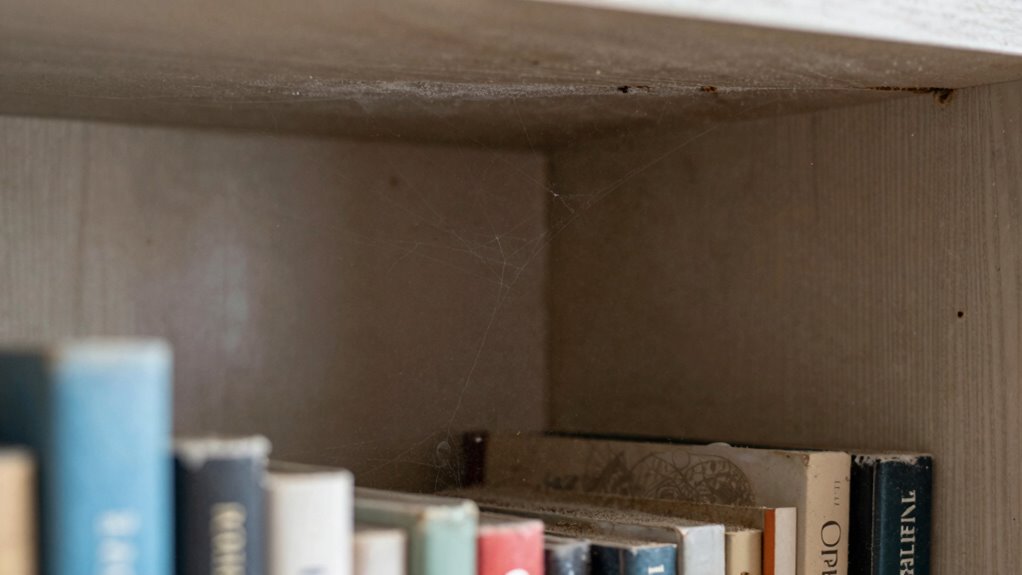
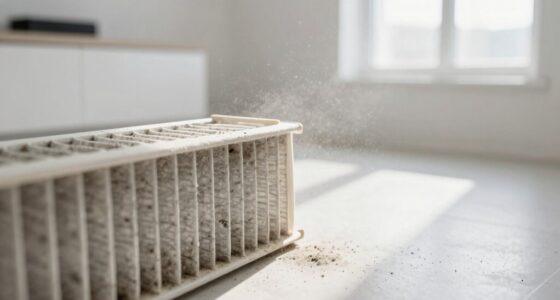
As dust accumulates in concealed areas, it creates a continuous source of allergens. Common household allergens like pet dander, pollen, mold spores, and dust mites thrive in these dusty, undisturbed spots. When disturbed, these allergens become airborne, circulating throughout your room and settling on surfaces or being inhaled. The more allergens that build up in hidden corners, the higher the risk of triggering allergy symptoms or asthma attacks. If you or someone in your household suffers from allergies, ignoring these hard-to-reach areas can significantly worsen symptoms. Regular surface cleaning isn’t enough; you need to target those tight spaces to prevent allergen buildup effectively.
Furthermore, the presence of dust in concealed areas can create a cycle that’s difficult to break. Dust particles, once stirred up, tend to stick around in the air longer when circulation is poor. Without proper airflow, particles settle back onto surfaces rather than being removed from the room. This continuous cycle keeps allergens present, making it harder to achieve a truly clean environment. Over time, this persistent dust and allergen buildup can lead to increased dust levels in the entire room, not just the hidden corners. The result is a less healthy indoor environment, where you might notice increased sneezing, coughing, or itchy eyes. Maintaining good ventilation practices and routine cleaning can help disrupt this cycle and improve overall air quality. Incorporating effective airflow techniques can further enhance the removal of airborne allergens. Using air purifiers can also help trap airborne particles before they settle, providing an additional layer of protection.
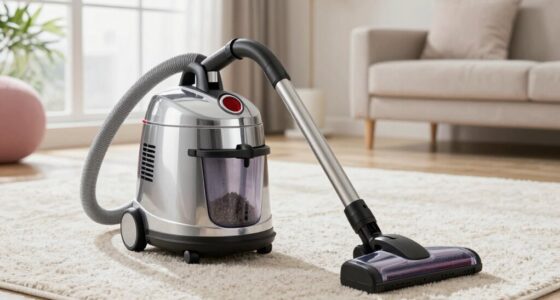
To combat this, you need to focus on thorough cleaning, especially in those hard-to-reach places. Using tools like long-handled dusters or vacuum attachments designed for crevices can help remove dust from tight spaces. Improving air circulation with proper ventilation or air purifiers also reduces the impact of dust and allergens. By addressing these hidden areas, you prevent allergen buildup and promote healthier air quality, making your entire room feel fresher, cleaner, and more comfortable.
long-handled dusting brush for hard-to-reach spots
As an affiliate, we earn on qualifying purchases.
As an affiliate, we earn on qualifying purchases.
Frequently Asked Questions
Can Hard-To-Reach Dust Cause Allergies or Respiratory Issues?
Yes, hard-to-reach dust can cause allergies or respiratory issues. When you neglect cleaning hidden areas, allergy triggers like dust mites, pet dander, and mold accumulate. Breathing in this dust can irritate your respiratory health, especially if you have asthma or allergies. Regularly cleaning those tricky spots reduces dust buildup, helping you breathe easier and lowering the risk of allergy symptoms and respiratory problems over time.
How Often Should I Clean Hidden Dust Areas?
Think of hidden dust as the Pandora’s box of your home—best to keep it closed. You should clean these areas at least once a month to prevent dust accumulation from sneaking into the air and affecting your allergies or respiratory health. Regular cleaning frequency ensures that dust doesn’t settle unnoticed, maintaining a healthier environment. Don’t wait for the dust to whisper; stay ahead with consistent cleaning.
Does Hard-To-Reach Dust Contain Harmful Bacteria or Mold?
Yes, hard-to-reach dust can contain harmful bacteria and mold, especially with dirt accumulation over time. These hidden contaminants thrive in neglected spots like behind furniture or in vents, posing health risks. Regular cleaning of these areas is essential to prevent the buildup of bacteria and mold, which can affect your overall indoor air quality. Keep up with thorough cleaning to reduce hidden contaminants and maintain a healthier environment.
What Tools Are Best for Cleaning Inaccessible Dust?
You need the right tools to tackle hidden dust, and the best options include duster alternatives like microfiber cloths and specialized vacuum attachments. These tools reach tight spots where dust hides, preventing it from spreading. Using a long-handled duster or narrow nozzle attachment guarantees you clean thoroughly without strain. Don’t underestimate the power of the right tools—they make the job easier and keep your entire room healthier.
Can Hard-To-Reach Dust Affect Indoor Air Quality Long-Term?
Yes, hard-to-reach dust can impact indoor air quality long-term. When dust accumulates in hidden spots, it disrupts airflow and releases allergens and pollutants into the air. Over time, this buildup can cause respiratory issues or worsen allergies, especially if not regularly cleaned. Keeping those tricky areas dust-free guarantees better airflow and healthier indoor air, preventing long-term health problems.
Conclusion
If you ignore those hard-to-reach dust spots, you might be surprised by how quickly they impact your entire room. Dust buildup can trigger allergies and respiratory issues, affecting your comfort and health. Did you know that the average home accumulates nearly 40 pounds of dust annually? Regular cleaning of those tricky areas keeps your air cleaner and your space healthier. Don’t let hidden dust undermine your home’s freshness—stay diligent, and breathe easier.