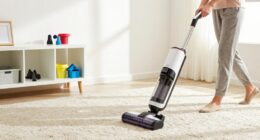

Central vacuum systems are designed to make your cleaning routine easier and more efficient. You won’t have to drag a bulky vacuum around your home, and this system helps reduce allergens and dust, improving your overall indoor air quality. The main unit installs in a convenient location, typically in a garage or basement, while inlets are placed throughout your home for easy access. Keep exploring to discover installation tips and maintenance requirements for ideal performance.
Key Takeaways
- Central vacuum systems enhance cleaning efficiency by eliminating bulky machines and promoting a healthier living environment through better dust and allergen management.
- They simplify cleaning routines, allowing effortless gliding through homes and improving indoor air quality.
- Installation involves strategic placement of vacuum inlets every 600-800 sq ft, ideally in accessible locations, with the main unit in a garage or basement.
- Regular maintenance, including emptying canisters and inspecting filters, is crucial for optimal performance and longevity of the system.
- Proper installation and ongoing upkeep ensure efficient operation, consistent suction, and prolong the lifespan of the central vacuum system.

Have you ever wondered how a central vacuum system could transform your cleaning routine? Imagine effortlessly gliding through your home, vacuuming without dragging a bulky machine behind you. This system not only enhances your cleaning efficiency but also helps maintain a healthier living environment by reducing allergens and dust. If you’re considering making the switch, knowing some installation tips and maintenance requirements will set you up for success.
Discover how a central vacuum system can revolutionize your cleaning routine and promote a healthier home environment.
When it comes to installation, planning is essential. Start by mapping out where you want the vacuum inlets to be located. Ideally, they should be spaced every 600 to 800 square feet to ensure maximum coverage. You’ll want to choose locations that are easily accessible, considering furniture and room layouts. Once you’ve decided on the inlets, select a suitable location for the main unit, typically in a garage or basement. This will keep the noise away from your living areas while allowing you to connect the system to your home’s ductwork.
As you delve into installation, you’ll need to run PVC piping from each inlet to the main unit. Make sure to use appropriate fittings and secure everything tightly. Sealing joints with glue can help prevent any leaks that may reduce suction power. Don’t forget to install a dedicated electrical line for the main unit, as it requires power to function. If you’re unsure about any electrical aspects, it’s wise to consult a professional. Once everything’s in place, test each inlet to ensure the system works seamlessly.
Maintenance isn’t as intimidating as it sounds. One of the most vital maintenance requirements is regularly emptying the dirt canister or replacing the bag, depending on your system type. This should be done every few months or when you notice a drop in suction. Additionally, inspect and clean the filters according to the manufacturer’s instructions. A dirty filter can greatly affect performance and air quality.
Lastly, check the hoses and inlets for any blockages or wear. If you notice a blockage, clearing it promptly will help maintain consistent suction. Following these simple installation tips and maintenance requirements will ensure your central vacuum system runs efficiently, making your cleaning routine smoother and more enjoyable. Embrace the convenience and efficiency of this system, and you’ll wonder how you ever lived without it. Additionally, proper maintenance of your vacuum system can significantly enhance its performance and lifespan.

Central Vac Electric Installation Kit (4), 110 ft. of Pipe
Includes All Materials Necessary to Install a Central Vacuum System
As an affiliate, we earn on qualifying purchases.
As an affiliate, we earn on qualifying purchases.
Frequently Asked Questions
How Much Does a Central Vacuum System Typically Cost?
A central vacuum system typically costs between $1,000 and $3,500, depending on the size and complexity of your home. You’ll need to factor in installation costs, which can range from $500 to $2,500. Don’t forget about maintenance expenses, too; while they’re generally low, you might spend around $100 annually on repairs or filter replacements. Overall, it’s a worthwhile investment for efficient cleaning and improved air quality in your home.
Can I Install a Central Vacuum System Myself?
Yes, you can install a central vacuum system yourself with some handy skills. However, keep in mind the DIY installation involves meeting specific electrical requirements, like ensuring proper wiring and circuit connections. Make sure you follow the manufacturer’s instructions carefully and check local codes for compliance. If you’re comfortable with tools and basic electrical work, you can tackle this project and enjoy the benefits of a central vacuum system in your home.
How Do I Maintain a Central Vacuum System?
Isn’t it frustrating when your vacuum doesn’t perform? To maintain your central vacuum system, start with regular hose maintenance—check for clogs and clean the hose monthly. Don’t forget to replace the filter every six months to guarantee ideal suction. Empty the collection canister when it’s two-thirds full to prevent overflow. By staying on top of these tasks, you’ll keep your system running smoothly and extend its lifespan considerably.
Are Central Vacuum Systems Noisy During Operation?
Central vacuum systems can be noisy during operation, but it often depends on the model and installation. Many systems feature sound insulation, which helps reduce noise levels markedly. If you’re concerned about noise, consider choosing a model designed for quieter performance. Additionally, proper placement of the vacuum unit can further minimize sound transfer throughout your home. Overall, with the right choice, you can enjoy effective cleaning without excessive noise.
What Are the Best Brands for Central Vacuum Systems?
When it comes to selecting the best brands for central vacuum systems, think of it like choosing a trusty steed for your cleaning journey. Brands like Nutone, Vacuflo, and Miele stand out for their vacuum power and system durability. You’ll appreciate how these systems can tackle dirt and debris with ease while lasting for years. Investing in a reputable brand guarantees you’ll have a reliable partner in keeping your home spotless.

Central Vacuum Fittings (Singular Electric Inlet)
Electric inlet comes with back plate, it can be removed Electric inlet is known as a supervalve Old…
As an affiliate, we earn on qualifying purchases.
As an affiliate, we earn on qualifying purchases.
Conclusion
So, you’ve got this amazing central vacuum system that’s supposed to make your life easier, right? But let’s be real—somehow, it still feels like a full-time job keeping everything clean. Who knew that a system designed to save you time would instead give you more reasons to dust off those corners? But hey, at least you can impress your friends with your high-tech setup while you’re at it! Just remember, the real vacuuming challenge is always around the next corner.
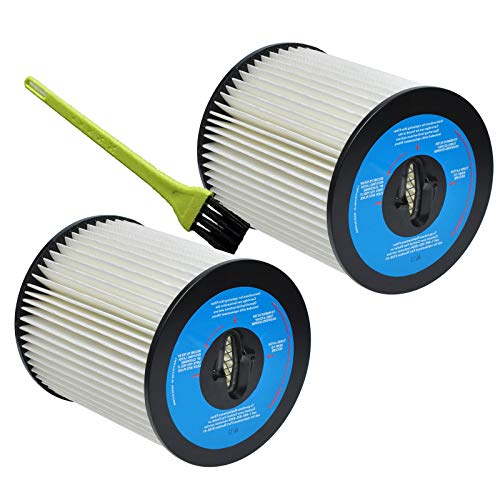
8106-01 Central Vac Filter Replacement Compatible with Dirt Devil CV2000 CV2200 CV2600, 7 inch Central Vacuum Cleaner Filter Compatible with Vacuflo FC300 FC520 FC530 FC550 FC610
Works with – 7 Inch Cartridge Filter Compatible with Dirt Devil, Vacuflo, Vroom,Titan, Royal Central Vacuum Systems, Replacement…
As an affiliate, we earn on qualifying purchases.
As an affiliate, we earn on qualifying purchases.

Prolux CV12000 Red Central Vacuum Power Unit w Powerful 2 Stage Motor
PROLUX CENTRAL VACUUM: The New Prolux Central Vacuum Cleaner is one of the best central vacuum systems made!…
As an affiliate, we earn on qualifying purchases.
As an affiliate, we earn on qualifying purchases.