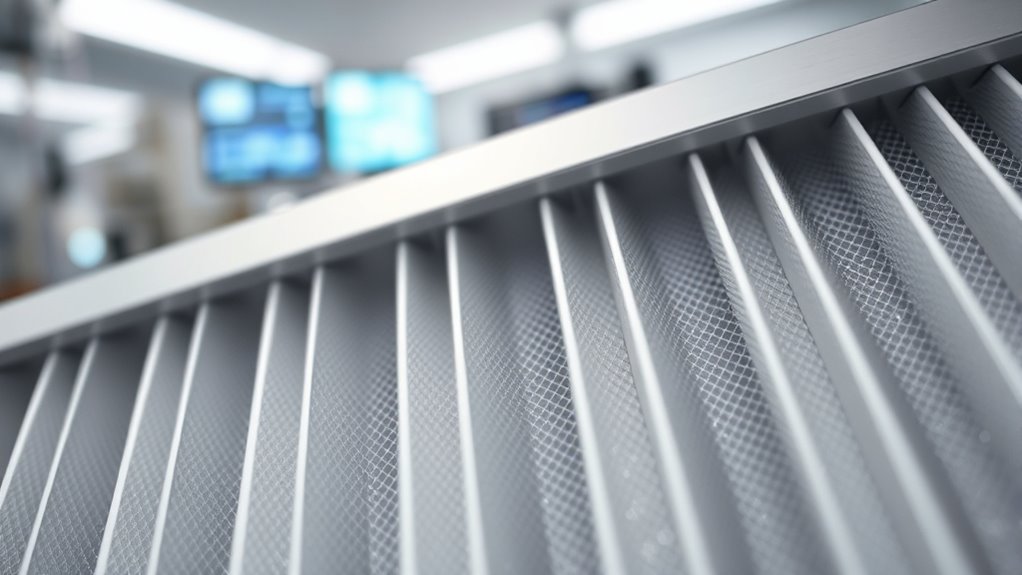
Advancements in HEPA filtration are reshaping indoor air quality by effectively removing harmful particles, allergens, and even some viruses from your environment. These high-efficiency filters now trap 99.97% of particles as small as 0.3 microns, making them essential for healthier living spaces. Coupled with technologies like UV light and activated carbon, they provide extensive air purification. As these innovations continue to evolve, you’ll discover even more ways they can enhance your well-being and protect against unseen threats.
Key Takeaways
- HEPA filters now capture at least 99.97% of particles down to 0.3 microns, improving air quality significantly.
- Innovations in biotechnology enhance HEPA filter efficiency, utilizing new materials and designs for better performance.
- Integration with UV light and activated carbon in air purification systems provides comprehensive cleaning and pathogen elimination.
- Advanced HEPA air purifiers reduce exposure to allergens, dust, and pathogens, supporting respiratory health for families.
- Continuous technological advancements are evolving HEPA filtration, addressing both visible and unseen air quality threats.
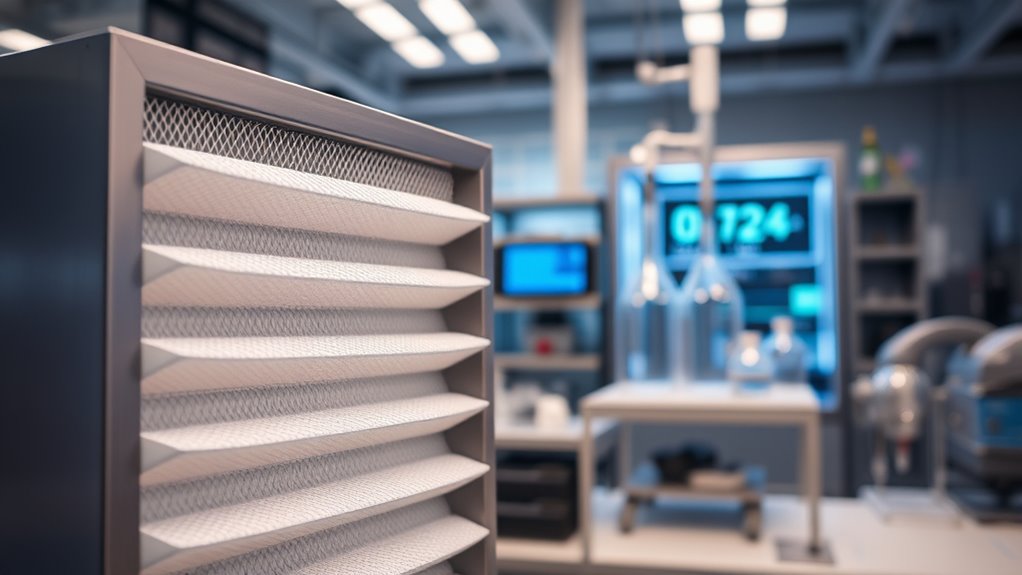
In recent years, advancements in HEPA filtration technology have transformed how we approach air quality and health. You might not realize it, but the air you breathe can substantially impact your well-being. With growing awareness of air pollution and its effects on health, there’s been an increased focus on effective air purification technologies. HEPA filters, known for their ability to trap tiny particles, have become a cornerstone in this quest for cleaner air.
Advancements in HEPA filtration technology are crucial for improving air quality and promoting better health.
You’re probably familiar with the term HEPA, which stands for High-Efficiency Particulate Air. These filters can capture at least 99.97% of particles as small as 0.3 microns. So, what does that mean for you? It means that allergens, dust, and even some bacteria and viruses can be effectively filtered from your indoor environment. As biotechnology innovations continue to evolve, these filters are becoming increasingly efficient. New materials and designs are being developed to enhance their filtration capabilities, allowing you to breathe easier and live healthier.
Imagine walking into your home after a long day, where the air is clean and fresh. With modern HEPA filtration systems working alongside other air purification technologies, you can achieve that atmosphere. Many of today’s air purifiers combine HEPA filters with additional technologies, such as UV light and activated carbon, which work together to eliminate odors and kill pathogens. This multi-faceted approach to air purification is something you might want to contemplate for your home, especially if you or your family members suffer from allergies or respiratory issues.
Understanding how these advancements affect your daily life is vital. You’ve likely heard about the importance of maintaining indoor air quality, especially in the wake of recent global health concerns. Investing in a HEPA air purifier can noticeably improve your quality of life. These devices can help you minimize exposure to airborne pollutants, creating a safer environment for you and your loved ones.
As the landscape of air purification continues to evolve, staying informed on the latest biotechnology innovations can empower you to make better decisions for your health. It’s not just about having a filter; it’s about embracing the technology that can protect you from unseen threats. So, whether you’re contemplating an air purifier for your home or workplace, remember that advancements in HEPA filtration technology are more than just a trend—they’re a step toward a healthier future.

AZEUS True HEPA Air Purifier for Home, Up to 2160 sq ft Large Room, UV light | Ionic Generator | Office or Commercial Filter 99.97% Pollen Smoke Dust Pet Dander Auto Mode Sensor
❤️24/7 Live Chat Support: FREE upgrade to FULL Replacement GUARANTEE. We treat you like family and so we…
As an affiliate, we earn on qualifying purchases.
As an affiliate, we earn on qualifying purchases.
Frequently Asked Questions
How Often Should HEPA Filters Be Replaced?
You should replace HEPA filters every 6 to 12 months, depending on usage and air quality. Regular filter maintenance is vital for peak performance. If you have pets or live in a dusty area, you might need to change them more frequently. It’s a good idea to set replacement schedules to guarantee your air purifier or HVAC system runs efficiently. Keeping track of this can greatly improve the air quality in your home.
Can HEPA Filters Remove Odors and Gases?
No, HEPA filters can’t remove odors and gases like a superhero swooping in to save the day! They excel at trapping tiny particles but lack the power of odor absorption and gas filtration. If you’re battling unpleasant smells or harmful gases, you’ll need to combine your HEPA filter with activated carbon filters, which can tackle those pesky odors and gases, ensuring your air feels fresh and clean. So, get that dynamic duo working together!
Are HEPA Filters Washable or Reusable?
HEPA filters aren’t typically washable or reusable. Most standard HEPA filters are designed for one-time use, capturing particles effectively but getting clogged over time. Some brands offer washable filters or reusable designs, but they often don’t perform as well as traditional HEPA filters. If you choose a washable option, make sure to follow the manufacturer’s instructions for cleaning to maintain effectiveness. Regular replacement is key to ensuring peak air quality.
Do HEPA Filters Reduce Allergens in the Home?
Yes, HEPA filters considerably reduce airborne allergens in your home. They capture particles like pollen, dust mites, and pet dander, helping to improve your indoor air quality. To maximize their effectiveness, you should practice regular filter maintenance by replacing or cleaning them as recommended. By doing this, you’ll guarantee your HEPA filter continues to trap allergens efficiently, creating a healthier environment for you and your family.
What Is the Lifespan of a HEPA Filter?
A HEPA filter typically lasts about 1 to 3 years, depending on usage and filter maintenance. Did you know that a well-maintained filter can improve your air purification technology’s efficiency by up to 50%? To maximize the lifespan, check your filter regularly and replace it when it’s dirty or after the recommended time. This keeps your indoor air clean and helps reduce allergens, making your home healthier for you and your family.

CleanForce Air Purifier for Home Large Room up to 2550 ft², Swiss Sanitized HEPA & Carbon Filter, asthma & allergy friendly Certified for Dust/Pollen/Pet Dander, Alexa/App Control, Ozone-Free, Rainbow
Lab-Tested & Real-World Proven Performance CleanForce air purifier removes 99.99% of pollutants in lab tests and maintains 90%+…
As an affiliate, we earn on qualifying purchases.
As an affiliate, we earn on qualifying purchases.
Conclusion
In conclusion, the advancements in HEPA filtration have transformed the way you breathe indoors, wrapping you in a protective shield against harmful particles. As technology evolves, you can trust that your health is prioritized, giving you peace of mind in every breath you take. With these innovations, a cleaner, safer environment is no longer just a dream but a tangible reality. Embrace this shift, and let fresh air fill your lungs, invigorating your life like a gentle breeze on a warm day.

MOOKA Air Purifiers for Home Large Room up to 1076ft², H13 True HEPA Air Filter Cleaner, Odor Eliminator, Remove Smoke Dust Pollen Pet Dander, Night Light, B-D02L White
MOOKA B-D02L AIR PURIFIER FOR LARGE ROOM: With the high-efficiency filtration system, the air purifier covers an area…
As an affiliate, we earn on qualifying purchases.
As an affiliate, we earn on qualifying purchases.

Drainvac Broan-nutone 700 Air watts Residential Central Vacuum System – Advanced HEPA Filtration with 99.97% dust and microparticle Capture, Anti-Vibration, Powerful Suction
Air Performance: Unleash 700 air watts of powerful suction & self-cleaning filtration with our Central Vacuum System. Made…
As an affiliate, we earn on qualifying purchases.
As an affiliate, we earn on qualifying purchases.