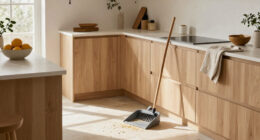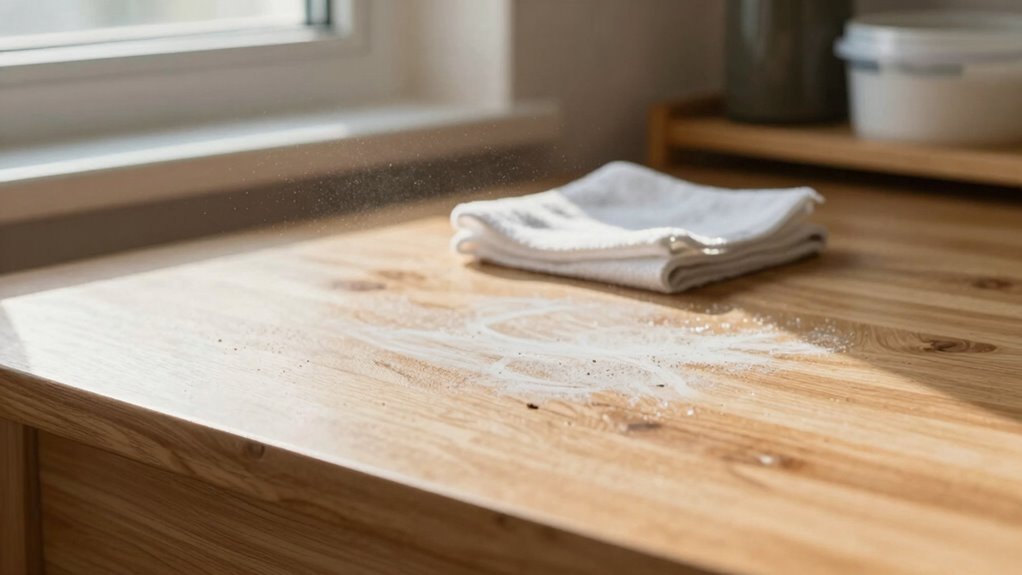
To keep dust from returning quickly, use HEPA air purifiers regularly, especially in high-traffic areas, to trap tiny particles. Develop a consistent cleaning routine with microfiber cloths and focus on dust-prone spots like vents and baseboards. Control indoor humidity around 40-50% with dehumidifiers or air conditioners to inhibit dust mites. Minimize clutter and pet dander, seal entry points, and guarantee proper ventilation. These habits work together to maintain a cleaner, dust-free space—learn more about effective strategies to keep dust at bay.

Get cleaning gear delivered free with Prime
- Fast, free delivery on millions of items
- Prime Video, Amazon Music and more included
- Member-only deals all year
Key Takeaways
- Maintain consistent use of HEPA air purifiers in high-traffic areas for continuous dust removal.
- Follow a regular cleaning schedule with microfiber cloths and vacuuming to prevent dust buildup.
- Control indoor humidity below 50% with dehumidifiers to inhibit dust mite proliferation.
- Minimize clutter and dust-prone items to reduce surfaces where dust can settle.
- Seal entry points and improve ventilation to limit dust entry and circulation indoors.
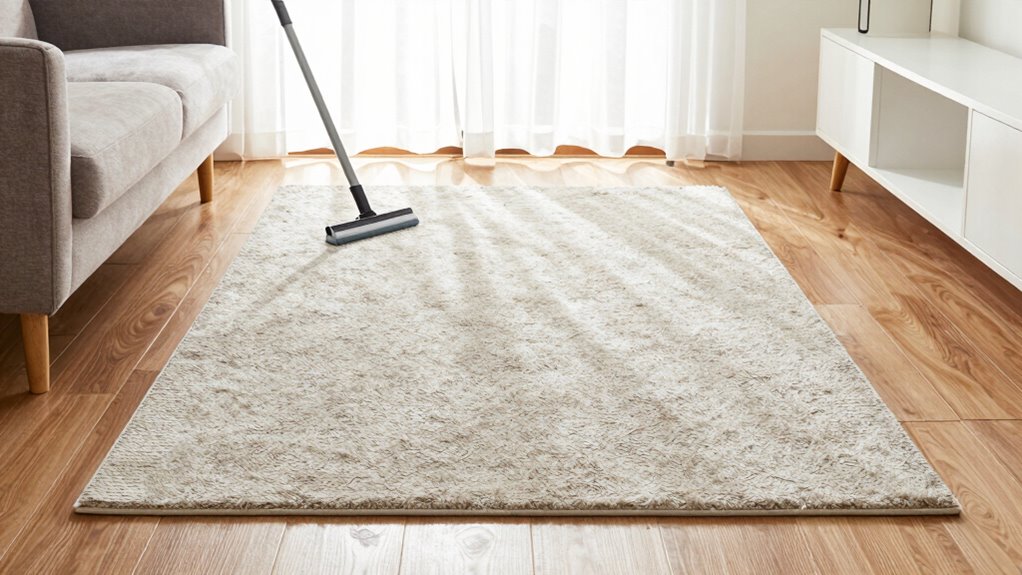
Dust tends to settle quickly, making it frustrating to keep your space clean. No matter how often you wipe surfaces or vacuum, dust finds its way back, leaving your home feeling cluttered and unkempt. To combat this, you need a strategic approach that tackles dust at its source and prevents it from accumulating too rapidly. One effective method is incorporating air purification into your routine. Air purifiers with HEPA filters are especially beneficial because they trap tiny particles, including dust mites, pet dander, and pollen. By continuously cleaning the air, these devices reduce the amount of airborne dust that eventually settles on surfaces. Place an air purifier in high-traffic areas like the living room or bedroom for maximum impact, and keep it running consistently to maintain cleaner air and minimize dust buildup.
Using HEPA air purifiers in key areas helps reduce airborne dust and keeps your home cleaner longer
Alongside air purification, regular cleaning plays an essential role in controlling dust. Instead of sporadic deep cleans, develop a consistent cleaning schedule that includes dusting surfaces with a damp cloth, vacuuming carpets and rugs thoroughly, and wiping down furniture regularly. Using a microfiber cloth is particularly effective because it captures dust rather than just spreading it around. Pay special attention to areas that gather dust quickly, such as vents, baseboards, and ceiling fans. Dust settled on these spots can circulate back into the air if not promptly removed. Regularly inspecting and replacing air filters can also enhance the effectiveness of your air purification system and prevent dust accumulation. Incorporating proper ventilation can further help reduce indoor dust levels by allowing fresh air to circulate and excess particles to escape. Additionally, understanding dust particle size can help you choose the most effective cleaning tools and techniques for your space. Maintaining optimal indoor humidity levels can also significantly reduce the proliferation of dust mites and other allergens, contributing to a cleaner environment. Moreover, being mindful of dust sources, such as open windows or unsealed areas, can help you identify and mitigate additional entry points for dust.
Another tip is to minimize clutter, which provides additional surfaces for dust to settle on. Keeping your space tidy reduces the number of objects that collect dust and makes cleaning more efficient. Consider removing or replacing items that tend to gather dust easily, like plush toys or decorative fabric pieces. If you have pets, grooming them regularly and washing pet bedding can markedly reduce pet-related dust and dander.
Finally, controlling humidity levels in your home can make a difference. Dust mites thrive in warm, humid environments, so keeping indoor humidity around 40-50% creates less favorable conditions for them. Using a dehumidifier or air conditioner can help maintain this level, further reducing dust and allergens. By combining air purification with regular cleaning, minimizing clutter, and managing humidity, you create an environment where dust doesn’t settle as swiftly, making your home cleaner and healthier with less effort.
HEPA air purifier for dust removal
As an affiliate, we earn on qualifying purchases.
As an affiliate, we earn on qualifying purchases.
Frequently Asked Questions
Does Humidity Level Affect Dust Accumulation?
Yes, humidity level affects dust accumulation. When humidity is too low, dust particles become smaller and stay airborne longer, settling quickly on surfaces. Proper humidity control keeps dust particle size larger, helping dust settle faster and reducing buildup. Maintaining indoor humidity between 40-50% minimizes dust resettling, making cleaning easier. By controlling humidity, you prevent dust from returning too quickly, keeping your space cleaner and healthier longer.
What Are the Best Air Purifiers for Dust Control?
You’d think air purifiers are magic, but selecting the right type makes all the difference for dust control. HEPA filters, UV air purifiers, and ionic models each target dust differently. Combine them with good dust removal techniques, like regular cleaning and controlling humidity, for best results. The irony? The best purifier isn’t just about fancy tech but how well you use it along with your cleaning habits.
How Often Should I Replace Air Filters?
You should replace your air filter every 1 to 3 months, depending on your filter’s lifespan and your household’s dust levels. Check your filter regularly and follow the recommended filter maintenance schedule for maximum dust control. If you notice reduced airflow or increased dust, it’s time for a change. Regular replacement guarantees your air purifier works efficiently, keeps dust at bay, and maintains a healthier indoor environment.
Can Houseplants Reduce Indoor Dust?
Think of your houseplants as natural dust busters—yes, they can help reduce indoor dust! Their leaves trap particles, but beware of plant pests that can spread allergens. To keep them effective, maintain proper soil moisture and check regularly for pests. When healthy, plants act like green filters, improving air quality and keeping dust at bay, making your home fresher and cleaner with a touch of nature’s magic.
Are Certain Materials More Prone to Dust Buildup?
Certain materials are more prone to dust buildup due to their surface texture and material susceptibility. For example, fabrics like upholstery and carpets trap more dust types, while smooth surfaces like glass and metal collect less. You should regularly clean and choose materials that resist dust accumulation to minimize buildup. Being mindful of material susceptibility helps you maintain a cleaner, dust-free environment and reduces the frequency of cleaning needed.
Conclusion
So, after all that effort, you might find it amusingly ironic that dust’s relentless return keeps you on your toes. No matter how often you dust, it sneaks back faster than you can blink. But hey, at least now you’re armed with tricks to slow it down—just don’t be surprised if dust starts feeling like an uninvited guest who refuses to leave. Keep fighting the good fight, and maybe one day, you’ll outsmart those sneaky specks.
Fall Picks
fall essentials
As an affiliate, we earn on qualifying purchases.