
TL;DR

Get cleaning gear delivered free with Prime
- Fast, free delivery on millions of items
- Prime Video, Amazon Music and more included
- Member-only deals all year
A Hunker report describes bed bug interceptors, low-tech cups placed under furniture legs, as a way to trap bugs and help detect an infestation. They work only when bugs have no other route onto the furniture and should not be treated as a replacement for professional pest control.
A Hunker report describes bed bug interceptors—small traps placed beneath furniture legs—as a simple way to catch crawling bugs and help identify an infestation. The devices can limit some bugs’ access to a bed or sofa, but they are mainly a detection tool, not a stand-alone method for getting rid of bed bugs.
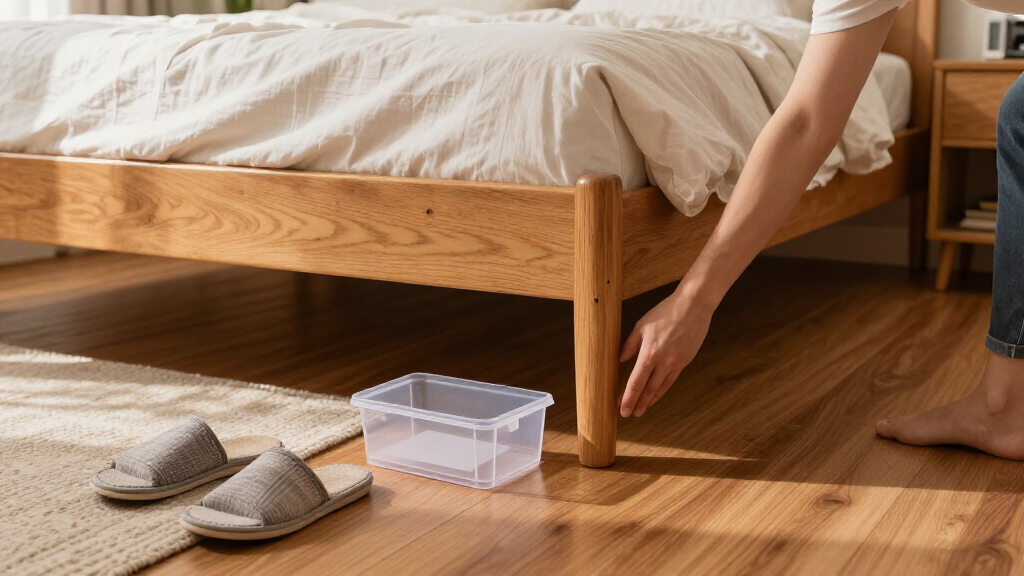
Interceptors are designed to sit under the legs of furniture, replacing ordinary pads or grippers. The report describes a cup-like device with two outer walls and a narrow channel between them. A bed bug may climb the textured outside surface, then become trapped because the inner wall is smooth and steep. The number caught can offer an indication that bugs are present, but the report does not establish that a trap count can measure the full size of an infestation.
For the traps to work as intended, bed bugs must not have another route onto the furniture. Hunker says users may need to move a bed or sofa away from a wall and keep nearby objects, such as side tables or bedding, from touching it or the floor in a way that bridges the trap. The report says a person’s warmth and exhaled carbon dioxide can attract bugs toward occupied furniture; it does not describe the devices as baited traps.
The article identifies several products sold online, including an eight-pack of EcoPest interceptors listed at $29.99 and a four-pack at $17.99, with a reported Amazon rating of 4.3 for both. Those prices, ratings and review counts are product-listing details cited by Hunker, not independent tests of performance, and may change.
A Trap Helps Detect, Not Eradicate
Interceptors can give residents a way to check whether bed bugs are moving onto furniture, which may help them recognize a problem sooner. The report cites guidance from Pest Control Technology magazine that interceptors’ main value is detection. It reports that visual inspections may identify 70% of low-level infestations, while interceptors may detect 90% within two weeks. Those figures are attributed to the cited publication; the supplied material does not provide the underlying study details or its methods.
Finding bugs matters because residents cannot address an infestation they do not know about. But a trap catching some insects does not show that others are gone: bed bugs may already be in furniture or may reach it by another route. Treating the interceptor as a complete solution could delay broader inspection or treatment. Hunker notes that professional help may be needed and that the U.S. Environmental Protection Agency considers do-it-yourself bed bug control difficult, even though it may be possible.
Products Worth Considering

eufy Security SoloCam E42 4K Solar Security Camera with AI Motion Tracking

Philips Hue Festavia 65-Foot Smart LED String Lights, 250 Color-Changing Mini LEDs

Bose Lifestyle Ultra Soundbar and Ultra Subwoofer Bundle
As an affiliate, we earn on qualifying purchases.
How Furniture Interceptors Work
The devices are intended to create a barrier beneath furniture legs rather than to apply pesticide. Their design separates the route a bug can climb from the smooth inner surface it must cross to reach the leg. In that sense, the interceptor both catches some crawling insects and makes their presence easier to observe.
The setup is part of the method: if furniture touches a wall, a bedspread reaches the floor, or another object connects the floor to the bed or sofa, bugs may bypass the cups. Hunker also cautions that interceptors are only one part of a successful bed bug response. The report mentions the health and mental strain that infestations can cause, but offers no new medical findings or claim that interceptors prevent those effects.
“The interceptors’ main value is in identifying a bed bug infestation.”
— Pest Control Technology magazine, as cited by Hunker
Limits of the Reported Evidence
The supplied report does not give a publication date, identify the methods behind the detection percentages, or provide an independent comparison of interceptor brands. Its cited prices, ratings and review totals are snapshots of retail listings and may no longer be current. It is also unclear from the material how many traps a particular room or furniture layout requires.
Most importantly, a catch in an interceptor does not establish how widespread an infestation is, and an empty trap does not prove that a room is free of bed bugs. The article does not specify a complete treatment plan or say how quickly a resident should expect results. Those questions depend on the circumstances and may require an inspection by a qualified pest professional.
Pair Monitoring With a Treatment Plan
People using interceptors should follow the product’s directions, position them beneath furniture legs, and remove alternate routes that could let bugs bypass the traps. They can check the devices regularly for signs of activity, but should interpret catches as evidence to investigate rather than as a complete count of the problem.
If bed bugs are found or suspected, the report points readers toward a broader control strategy and says professional pest control may be needed. The supplied material does not announce a new regulatory step, product test or follow-up date; any further guidance will depend on what a household finds and on advice from pest-control professionals.
Key Questions
What is a bed bug interceptor?
It is a cup-like trap placed under a furniture leg. Its design aims to catch bugs moving toward or away from the furniture by trapping them between an outer climbing surface and a smooth inner wall.
Will an interceptor get rid of bed bugs?
No. The report presents interceptors mainly as a way to detect and monitor bed bugs. Catching some bugs does not show that an infestation has been eliminated.
How should interceptors be set up?
Place them beneath furniture legs and prevent other objects from connecting the furniture to a wall or the floor. Hunker says beds or sofas may need to be moved away from walls and that bedding should not create a route around the traps.
Does an empty trap mean there are no bed bugs?
No. The report does not say that an empty interceptor rules out an infestation. Bugs may not reach the trap, or they may have another way onto the furniture.
When should someone contact a pest professional?
If bugs are found or infestation is suspected, professional advice may be appropriate. Hunker says the EPA describes do-it-yourself bed bug control as difficult and warns that interceptors are not a complete treatment.
Source: rss