Vacuuming is a key part of a healthier cleaning routine because it actively removes airborne particles like dust, pet dander, and pollen that can cause allergies or respiratory issues. Using a vacuum with a strong suction and HEPA filters helps trap these allergens, preventing them from circulating back into the air. Regular vacuuming keeps your surfaces clean and improves indoor air quality. Keep going to discover how proper techniques make the biggest difference.
Key Takeaways
- Vacuuming removes airborne particles, dust, and allergens, improving indoor air quality.
- Proper vacuuming with HEPA filters traps allergens, reducing health risks.
- Regular vacuuming prevents buildup of dust mites, pet hair, and other irritants deep in fibers.
- Using effective techniques and equipment ensures thorough cleaning and allergen removal.
- Consistent vacuuming supports overall respiratory health and creates a cleaner living environment.

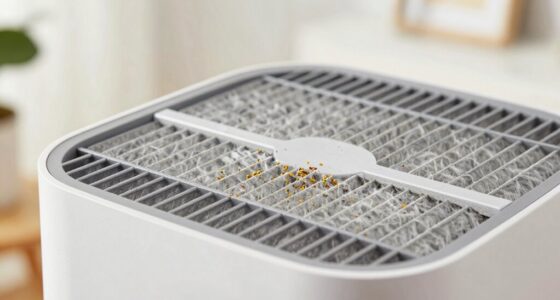
Keeping your home clean isn’t just about appearances; it also plays a fundamental role in your health. One of the most effective ways to maintain a healthier living space is by incorporating regular vacuuming into your routine. When you vacuum, you’re not only keeping your floors tidy but also actively improving your air quality. Dust, pet dander, pollen, and other tiny particles settle on surfaces and carpets, and these can become airborne if not properly removed. A good vacuum with a HEPA filter can trap these allergens, preventing them from circulating in your home’s air. This makes your environment safer, especially for those with allergies, asthma, or respiratory issues. Regular vacuuming reduces the buildup of allergens and creates a cleaner, more breathable atmosphere, which is essential for your overall well-being.
Regular vacuuming improves air quality and reduces allergens, creating a healthier, safer home for everyone.
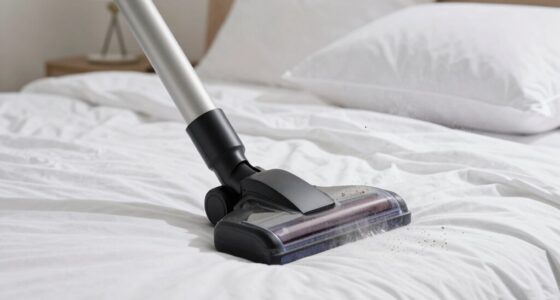
Many people underestimate the importance of allergens removal through vacuuming. These microscopic irritants can trigger sneezing, coughing, wheezing, and other allergic reactions. By consistently cleaning your carpets, rugs, and upholstery, you prevent these allergens from accumulating. A vacuum effectively pulls out dust mites and pet hair that often hide deep within fibers, which traditional sweeping or dusting might miss. This process not only minimizes immediate allergy symptoms but also helps prevent long-term health problems caused by chronic allergen exposure. When you make vacuuming a regular part of your cleaning routine, you’re actively combatting the invisible particles that threaten your respiratory health. Improving indoor air quality is one of the primary benefits of thorough vacuuming. Additionally, using the right equipment, such as vacuums with proper filtration, can significantly enhance this process. Employing effective cleaning techniques can further reduce airborne particles and allergens, making your home even healthier.
Beyond just removing allergens, vacuuming also contributes to overall air quality. Airborne particles tend to settle on surfaces, but they can easily become airborne again when disturbed. By vacuuming thoroughly and frequently, you reduce the number of these particles that linger in your environment. Using a vacuum with strong suction power and proper filtration ensures that these particles are captured and contained, rather than redistributed into the air you breathe. Incorporating regular cleaning routines can make a substantial difference in maintaining a healthier indoor environment. This practice not only minimizes dust accumulation but also enhances overall air circulation, which can further improve air quality. The outcome is a fresher, cleaner home where you can breathe easier and enjoy a healthier living space.
In essence, vacuuming isn’t just about aesthetics; it’s a critical step toward improving indoor air quality and removing harmful allergens. It’s a simple, yet powerful way to protect your respiratory health and create a more comfortable home. By making vacuuming a consistent habit, you’re taking proactive steps toward a healthier, happier environment for yourself and your loved ones.
As an affiliate, we earn on qualifying purchases.
Frequently Asked Questions
How Often Should I Vacuum for Optimal Health Benefits?
You should vacuum your carpets at least twice a week to maintain proper carpet maintenance and reduce dust accumulation. If you have allergies or pets, increase this to three or more times weekly. Regular vacuuming prevents dirt and dust from settling deep into your carpet fibers, improving indoor air quality and promoting a healthier environment. Consistent vacuuming keeps your home cleaner, fresher, and safer for everyone.
Can Vacuuming Help Reduce Allergy Symptoms?
Did you know that regular vacuuming can cut allergy symptoms by up to 20%? It helps reduce pet dander and dust mites, common triggers for allergy sufferers. By vacuuming at least twice a week with a HEPA filter, you actively remove these allergens from your home. This simple step can markedly improve your breathing, lessen sneezing, and create a healthier environment for you and your family.
What Types of Vacuum Cleaners Are Best for Health?
You should choose a vacuum cleaner with HEPA filtration and cordless convenience for better health. HEPA filters trap tiny allergens, dust, and pollutants, improving indoor air quality. Cordless models offer ease of use and flexibility, allowing you to clean thoroughly without being tethered to a power outlet. This combination helps reduce allergy triggers and creates a healthier living environment, making your cleaning routine more effective and less cumbersome.
Does Vacuuming Remove All Types of Indoor Pollutants?
Vacuuming is like a net catching floating debris; it greatly reduces indoor pollutants. It effectively removes airborne allergens and dust mite elimination from carpets and upholstery. However, it doesn’t capture every tiny particle, especially those settled deep in corners or hidden in porous surfaces. Regular vacuuming, combined with other cleaning methods, helps improve indoor air quality but doesn’t completely eliminate all indoor pollutants.
Are There Specific Techniques for More Effective Vacuuming?
To vacuum more effectively, use a systematic approach, overlapping your passes and slow, deliberate movements. Opt for a vacuum with a bagless design and HEPA filters, as they trap more pollutants and allergens. Adjust the height for different surfaces, and don’t forget to vacuum under furniture and along edges. Regularly clean or replace filters to maintain suction power, ensuring you remove as many indoor pollutants as possible for a healthier home.
Conclusion
By making vacuuming a regular part of your routine, you’re gently sweeping away unseen guests that could disrupt your well-being. Think of it as tending to a quiet garden, where each pass clears out the dust and allergens that lurk beneath the surface. With each sweep, you’re nurturing a cleaner, fresher environment—building a sanctuary where health can flourish quietly, like a peaceful dawn. Embrace this simple act, and watch your home bloom with energy.