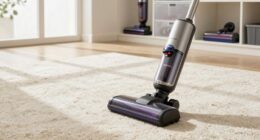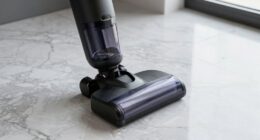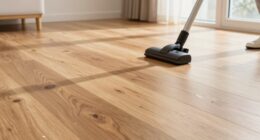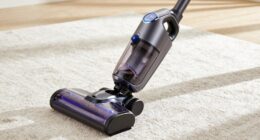

To adjust your vacuuming habits during allergy season, focus on using allergen-proof vacuum bags and target hidden areas like under furniture and behind appliances. Vacuum during low pollen times, like early mornings, and run an air purifier afterward to clear residual particles. Create a consistent cleaning schedule to minimize allergen buildup, and stay informed about local pollen forecasts. These strategies can markedly reduce your indoor allergen levels, and there’s more to discover about optimizing your cleaning routine.
Key Takeaways
- Vacuum during low pollen times, like early morning or post-rain, to minimize outdoor allergen re-entry.
- Use allergen-proof vacuum bags to securely trap even the smallest particles and prevent re-release into the air.
- Regularly clean hidden areas such as under furniture and behind appliances to eliminate dust and allergens that accumulate.
- Incorporate air purifiers while vacuuming to capture particles stirred up during cleaning and enhance air quality.
- Follow local pollen forecasts and adjust your cleaning schedule for optimal allergen removal and indoor air cleanliness.
As allergy season rolls in, you might notice that your home feels more like a sneeze zone than a sanctuary. Pollen, dust mites, and pet dander seem to multiply overnight, turning your cozy space into an itchy battleground. To combat these pesky allergens, adjusting your vacuuming habits is essential. It’s not just about vacuuming more often; it’s about vacuuming smart.
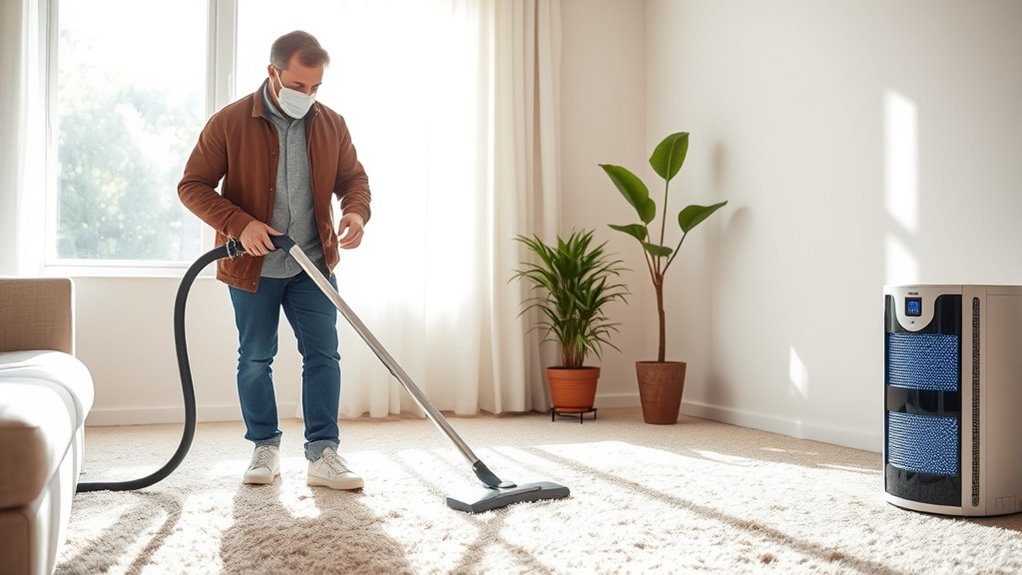
First off, consider integrating an air purifier into your cleaning routine. An air purifier works wonders by filtering out airborne allergens, making the air in your home cleaner and easier to breathe. When you vacuum, you stir up dust and allergens that can linger in the air. By running your air purifier while you vacuum, you’ll help capture those particles before they settle back down. This combination of vacuuming and air purification not only reduces allergens but also enhances overall air quality.
Next, focus on the tools you use for vacuuming. Traditional vacuum bags can do a decent job, but they often release fine particles back into the air. Instead, opt for vacuum cleaners that utilize allergen proof vacuum bags. These bags are designed to capture and contain even the smallest particles, preventing them from escaping back into your home environment. When you vacuum, you’re not just moving dirt around; you’re actively removing it. With allergen proof bags, you can rest assured that what you collect stays collected.
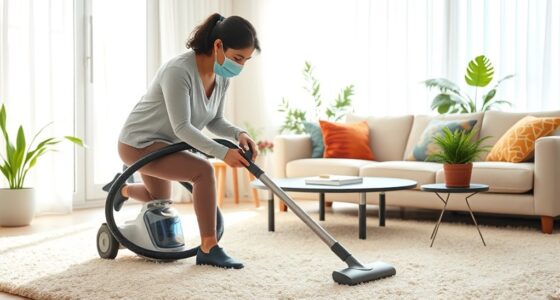
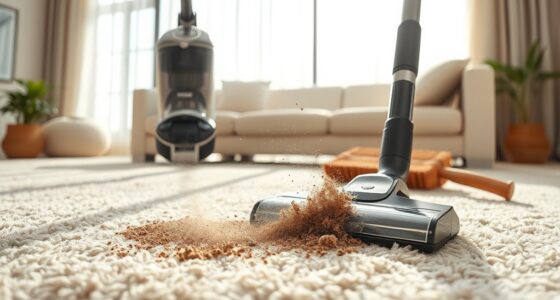
When you vacuum, don’t forget the hidden spots. Allergens love to hide under furniture, in corners, and behind appliances. Make it a habit to vacuum these areas regularly. You might even want to set a reminder on your phone or create a cleaning schedule to stay on top of it. And remember to give special attention to carpets, rugs, and upholstery, as these surfaces tend to trap allergens more than hard floors.
Timing is also essential during allergy season. Aim to vacuum when pollen counts are lower, usually early in the morning or after it rains. This keeps outdoor allergens from re-entering your home, making your efforts more effective. After vacuuming, let your air purifier run for a while to help clear any remaining particles. Additionally, using natural language processing tools can help you stay informed about allergy forecasts and cleaning tips tailored to your needs.
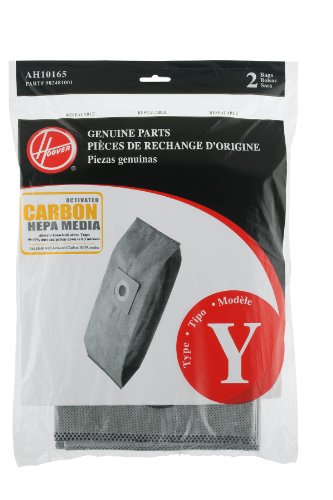
Hoover Vacuum Cleaner Bags for Upright Vacs, Pack of 2, Grey, Type Y, Hepa Filtration, Part # AH10165, Hoover Vacuum Bags Refill
ADVANCED HEPA FILTRATION: Designed with HEPA media, these Hoover filter bags capture 99.97% of dust, pollen, and allergens…
As an affiliate, we earn on qualifying purchases.
As an affiliate, we earn on qualifying purchases.
Frequently Asked Questions
How Often Should I Vacuum During Allergy Season?
You should vacuum at least twice a week during allergy season to keep allergens at bay. Regular vacuum maintenance is vital, so make sure your vacuum’s filter is clean and working properly. Consider using allergy-proofing techniques, like vacuuming with a HEPA filter, to trap small particles. Don’t forget to vacuum carpets, rugs, and upholstery, as these areas can harbor allergens. Staying diligent will help you breathe easier and feel more comfortable in your home.
Can Air Purifiers Reduce Allergens While Vacuuming?
Yes, air purifiers can markedly reduce allergens while you vacuum. They work by filtering out dust, pollen, and pet dander from the air, enhancing your allergen reduction techniques. When you vacuum, the process can stir up particles, but an air purifier captures those before they settle back down. Using one in conjunction with regular vacuuming creates a cleaner environment, helping you breathe easier and minimizing allergy symptoms effectively.
What Type of Vacuum Is Best for Allergies?
If you’re dealing with allergies, a vacuum with a HEPA filter is your best bet. For instance, imagine you’ve just vacuumed your home with a standard model; you still notice dust floating around. Switch to a vacuum with a HEPA filter, and you’ll find it captures 99.97% of allergens, making it perfect for carpet cleaning. This way, you can breathe easier and enjoy a cleaner living space without triggering those pesky allergic reactions.
Should I Vacuum Before or After Dusting?
You should vacuum after dusting. By following this vacuuming schedule, you guarantee that any dust particles you’ve disturbed while dusting settle on the floor, allowing your vacuum to pick them up effectively. Use effective dust removal techniques, like microfiber cloths, to trap dust instead of just spreading it around. This way, you’ll minimize allergens and keep your space cleaner, creating a healthier environment for you and your family.
Can Vacuuming Make Allergies Worse?
Yes, vacuuming can make allergies worse if you don’t use the right equipment. If your vacuum isn’t well-maintained or lacks a HEPA filter, it might release dust and allergens back into the air. To minimize this, invest in allergy-friendly vacuums that trap particles effectively. Regular vacuum maintenance is essential, too; clean the filters and bags often to guarantee peak performance. This way, you can keep your space clean without aggravating your allergies.
air purifier for allergy relief
As an affiliate, we earn on qualifying purchases.
As an affiliate, we earn on qualifying purchases.
Conclusion
As allergy seasons roll in, adjusting your vacuuming habits can make a significant difference in your comfort. By choosing a vacuum with a HEPA filter and vacuuming more frequently, you can reduce allergens in your home. Don’t forget to pay attention to carpets, upholstery, and those often-neglected corners. After all, wouldn’t you rather breathe easy in your own space? Embrace these changes, and you’ll find relief from seasonal allergies while keeping your home clean and inviting.
vacuum cleaner with allergen proof bags
As an affiliate, we earn on qualifying purchases.
As an affiliate, we earn on qualifying purchases.
vacuum cleaner for dust mites and pet dander
As an affiliate, we earn on qualifying purchases.
As an affiliate, we earn on qualifying purchases.