
To reduce dust buildup on curtains and blinds, regularly dust them using microfiber cloths or dusters, and vacuum fabric blinds with a brush attachment. For deeper cleaning, spot clean with a gentle solution or follow care labels for machine washing or professional dry cleaning. Ensuring good airflow helps prevent dust accumulation, while frequent cleaning improves air quality and keeps your home healthier. Keep going to discover more effective tips for maintaining a dust-free environment.
Play games included with Prime
Start a Prime free trial and play with Amazon Luna on your devices.
As an affiliate, we earn on qualifying purchases.
Key Takeaways
- Regularly dust curtains and blinds using microfiber cloths or dusters to prevent dust buildup.
- Vacuum fabric blinds with a brush attachment to remove surface dust effectively.
- Spot clean or gently wash washable curtains with mild detergents to keep them dust-free.
- Schedule professional deep cleaning for heavily soiled or delicate window treatments.
- Improve indoor air quality and reduce dust settling by ensuring proper ventilation and airflow.

Cleaning curtains and blinds is essential for maintaining a fresh and healthy home environment. Over time, dust accumulates on fabric surfaces and hard surfaces alike, which can trigger allergies, cause respiratory issues, and make your space feel dull and uninviting. Regular cleaning not only improves air quality but also extends the lifespan of your window treatments. To effectively manage dust buildup, you need to understand fabric care and dust removal techniques, ensuring you’re using the right methods for each material.
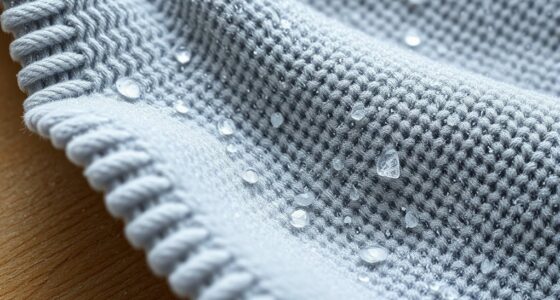
When it comes to fabric care, you should start by checking the care labels on your curtains. Some fabrics are machine washable, while others require dry cleaning or gentle hand washing. For washable curtains, use a gentle cycle with cold water to prevent shrinking or fading. Incorporate a mild detergent designed for delicate fabrics, avoiding harsh chemicals that can damage fibers. If your curtains are too large or fragile for the machine, consider spot cleaning or hand washing in a bathtub. For non-washable fabrics, regular vacuuming with a soft brush attachment is essential. This not only removes surface dust but also prevents dirt from embedding deep into the fibers. If your curtains are heavily soiled, professional cleaning might be the best option, especially for delicate or intricate fabrics.
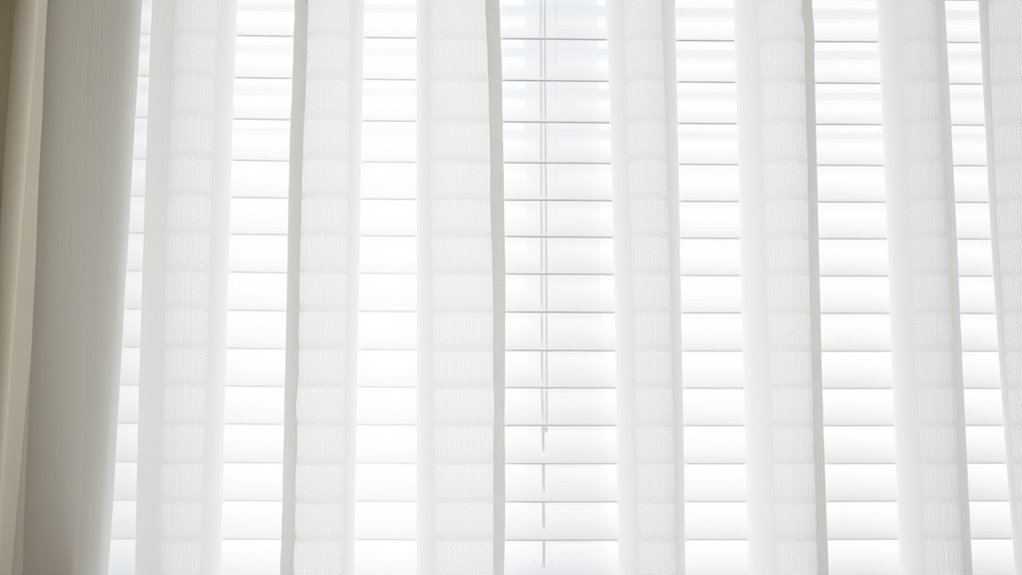
Cleaning blinds involves different techniques depending on the material—wood, metal, faux wood, or fabric. For most blinds, start with a dust removal technique that involves a microfiber cloth or a duster. Gently wipe each slat to remove loose dust and dirt. For a deeper clean, you can use a damp cloth with a mild cleaning solution, but avoid soaking the blinds, as excess moisture can warp wood or damage certain finishes. For fabric blinds, vacuuming with a brush attachment is often sufficient, but spot clean with a fabric-safe cleaner if needed. Regular dust removal prevents the buildup of allergens and reduces the frequency of intensive cleanings.
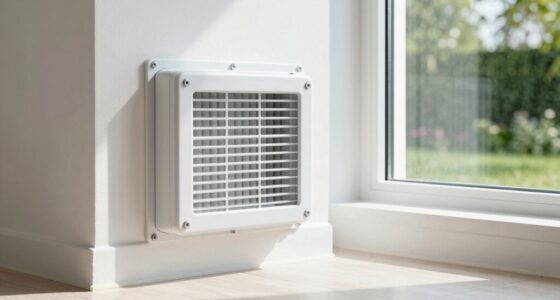
Additionally, considering the air quality in your home can help determine how often you need to clean your window treatments, as dust and allergens tend to settle quickly in poorly ventilated spaces.
microfiber dusting cloths for curtains and blinds
As an affiliate, we earn on qualifying purchases.
As an affiliate, we earn on qualifying purchases.
Frequently Asked Questions
How Often Should I Replace My Curtains and Blinds?
You should replace your curtains every 1 to 3 years, depending on their curtain lifespan and how well you maintain them. For blinds, the typical blind replacement frequency is every 3 to 7 years, but this varies based on material and wear. Regular cleaning can extend their lifespan. Keep an eye on signs of damage or fading to decide when it’s time for a fresh look and better dust control.
Are There Eco-Friendly Cleaning Options for Curtains and Blinds?
Yes, you can opt for eco cleaning and sustainable options to clean your curtains and blinds. Use natural solutions like vinegar, baking soda, or eco-friendly detergents to reduce chemical exposure. Regular vacuuming with a HEPA filter helps trap dust and allergens sustainably. These eco cleaning methods are effective, gentle on the environment, and safe for your home, keeping your curtains and blinds fresh without compromising your commitment to sustainability.
Can I Clean Curtains and Blinds With Homemade Solutions?
Yes, you can clean curtains and blinds with homemade solutions. Mix equal parts of water and white vinegar for an eco-friendly cleaning solution that effectively removes dust and grime. For fabric curtains, add a few drops of mild dish soap. Use a microfiber cloth or spray bottle for easy application. These homemade cleaning methods are safe, affordable, and environmentally friendly, helping you maintain clean curtains and blinds without harsh chemicals.
What Are the Signs of Mold or Mildew on Curtains and Blinds?
You’ll notice mold growth or mildew spots on your curtains and blinds as fuzzy, discolored patches, often green, black, or gray. You might smell a musty odor, indicating mold presence. If you see visible spots or feel a damp texture, it’s a sign to act. Addressing mold growth early prevents health issues and fabric damage. Regular cleaning and proper ventilation help keep your curtains and blinds mold-free.
How Do I Prevent Dust Buildup on New Curtains and Blinds?
To prevent dust buildup on your new curtains and blinds, start by applying fabric protection sprays or dust repellents. These treatments create a barrier that helps keep dust from settling on surfaces. Regularly dust and vacuum your curtains and blinds, and consider using washable fabrics or materials that are easy to clean. This proactive approach keeps dust at bay, maintaining a cleaner, healthier environment.
Conclusion
By regularly cleaning your curtains and blinds, you’re sweeping away the shadows of dust that settle like silent ghosts. Think of your windows as portals to a clearer, brighter world—free from the haze of grime. With each wipe and wash, you’re nurturing a fresh breath of air and a sparkling view. Keep up this routine, and your home will shine like a jewel, inviting sunlight and freshness to dance through every corner.
Fall yard work Picks
leaf blowers
As an affiliate, we earn on qualifying purchases.