
To keep your home clean and healthy, vacuum at least once a week, but more often if you have pets, kids, or high traffic areas—around three times weekly. Regular vacuuming removes dust, allergens, and dirt that can harm indoor air quality and damage carpets over time. Even less busy spaces benefit from routine vacuuming to prevent buildup. Sticking to a consistent schedule extends your carpets’ lifespan and improves air quality—discover more tips for ideal maintenance below.
Key Takeaways
- Vacuum at least once a week for low-traffic homes; more often if you have pets, children, or high foot traffic.
- Households with pets or allergies should vacuum three or more times weekly to improve air quality.
- Regular vacuuming prevents dirt from embedding in fibers, prolonging carpet lifespan and maintaining cleanliness.
- Keep vacuum filters and brushes clean and use models with HEPA filters for better allergen removal.
- Deep cleaning with professional services is recommended once or twice a year to complement routine vacuuming.

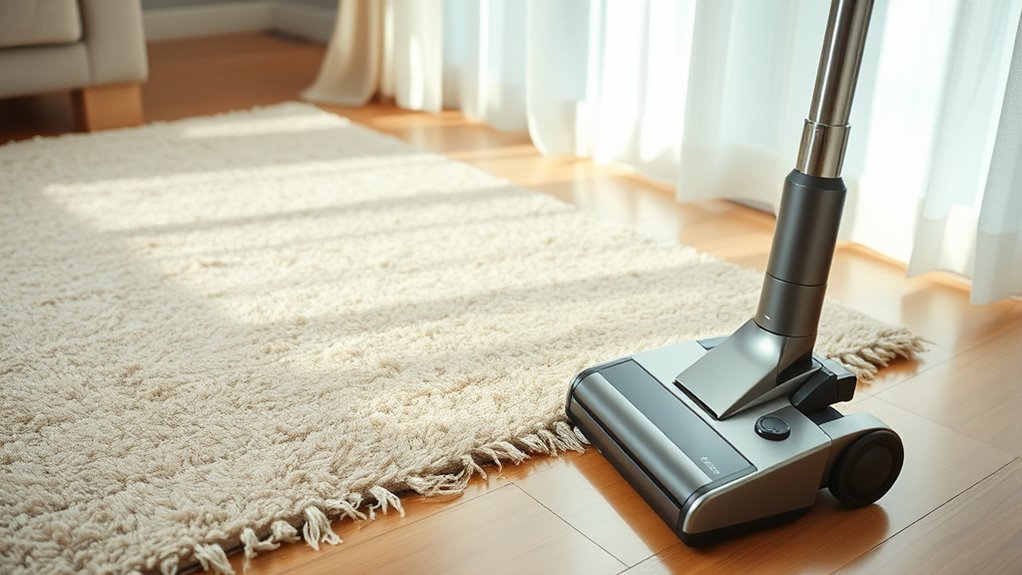
Vacuuming regularly is essential for maintaining a clean and healthy home, but how often you should do it depends on your lifestyle and living situation. If you’re concerned about air quality, vacuuming becomes even more critical. Dust, pet dander, allergens, and dirt can settle deep into your carpets, affecting the air you breathe. Regular vacuuming helps remove these pollutants, reducing indoor air pollution and improving overall air quality. This is especially important if you or your family members have allergies or respiratory issues. The frequency of vacuuming also directly impacts carpet maintenance; the more often you vacuum, the longer your carpets will look fresh and new. It prevents dirt from embedding into fibers, which can cause premature wear and tear.
Regular vacuuming keeps your home clean, healthy, and your carpets looking new longer.
For households with pets or young children, you’ll want to vacuum more frequently—at least three times a week. Pets shed hair and dander constantly, and their outdoor adventures bring in dirt and allergens that settle into your carpets. Frequent vacuuming prevents these particles from accumulating, keeping your air cleaner and your carpets in better shape. If you live alone or your home gets less traffic, once a week might suffice. Still, don’t skip regular vacuuming entirely; even low-traffic areas can trap dust and allergens over time, which could compromise your indoor air quality.
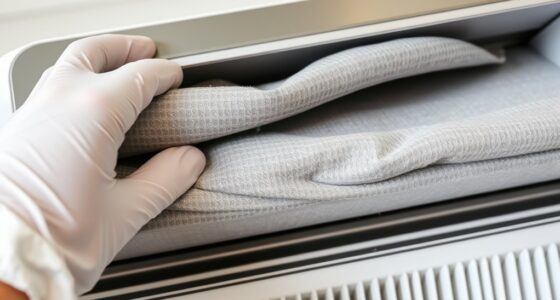
If you have wall-to-wall carpets or rugs, sticking to a consistent vacuuming schedule is key for carpet maintenance. Deep cleaning once or twice a year with professional services complements your routine. But regular vacuuming is your first line of defense, helping to lift surface dirt and prevent it from settling deeper, which makes deep cleaning easier and more effective. Pay attention to vacuum filters and brushes as well—keeping them clean ensures your vacuum performs *at its best*, pulling up more dirt and allergens. Additionally, choosing a vacuum with a HEPA filter can significantly enhance air quality by trapping tiny particles that standard filters might miss.
In addition to frequency, consider the type of vacuum you use. HEPA filters trap tiny particles better, making them an excellent choice for improving air quality. The right vacuum, combined with a regular schedule, can dramatically improve your indoor environment and extend the life of your carpets. Ultimately, how often you vacuum depends on your specific needs, but prioritizing regular sessions is a simple, science-backed way to create a cleaner, healthier space.
Frequently Asked Questions
Does Vacuuming Frequency Vary With Pet Ownership?
If you own pets, you should vacuum more often because pet hair quickly accumulates and can cause odors. Regular vacuuming helps remove pet hair from carpets and furniture, reducing allergen buildup and improving air quality. For households with pets, aim to vacuum at least twice a week to keep your space clean and fresh, ensuring odor removal and minimizing pet hair spread throughout your home.
Can Vacuuming Too Often Damage Carpet Fibers?
Vacuuming too often can indeed harm your carpet fibers, affecting vacuum maintenance and reducing its lifespan. When you over-vacuum, the aggressive agitation wears down the fibers faster and may cause premature thinning or fraying. To protect your carpet’s longevity, find a balance that keeps your space clean without overdoing it. Regular but gentle vacuuming helps preserve carpet quality and ensures it stays looking fresh longer.
How Does Vacuuming Impact Indoor Allergy Levels?
Vacuuming regularly helps reduce indoor allergy levels by removing airborne allergens like pollen, pet dander, and dust mites. When you vacuum, you decrease dust mite populations and prevent allergens from becoming airborne, easing allergy symptoms. However, using a vacuum with a HEPA filter is essential, as it traps tiny particles and prevents them from recirculating into your indoor air, ensuring a healthier environment for allergy sufferers.
Is There a Difference Between Vacuuming and Deep Cleaning?
Vacuuming and deep cleaning aren’t the same; vacuuming removes surface dirt buildup, while deep cleaning targets hidden grime and stains. Regular vacuuming helps maintain carpet longevity by preventing dirt from embedding, but deep cleaning periodically refreshes your carpets and extends their life. You should vacuum frequently to keep surfaces clean, but schedule deep cleans every few months for thorough dirt removal and to preserve your carpet’s condition.
What Are the Best Vacuuming Practices for Hardwood Floors?
To keep your hardwood floors spotless, vacuum regularly with a soft-bristle or hardwood-specific attachment. Make sure to replace your vacuum bag when full and do vacuum bag replacement promptly to maintain suction power. Also, check and clean your vacuum filter regularly to prevent dust buildup. This ensures effective cleaning without scratching your floors, prolongs your vacuum’s lifespan, and keeps your home healthier.
Conclusion
So, how often should you vacuum? The truth is, it depends on your lifestyle and home. Science suggests vacuuming twice a week keeps dust, allergens, and dirt in check, especially if you have pets or allergies. But if your home is less busy or has little foot traffic, once a week might suffice. Regular vacuuming isn’t just about cleanliness—it’s about creating a healthier living space. Trust the science and find what works best for you.