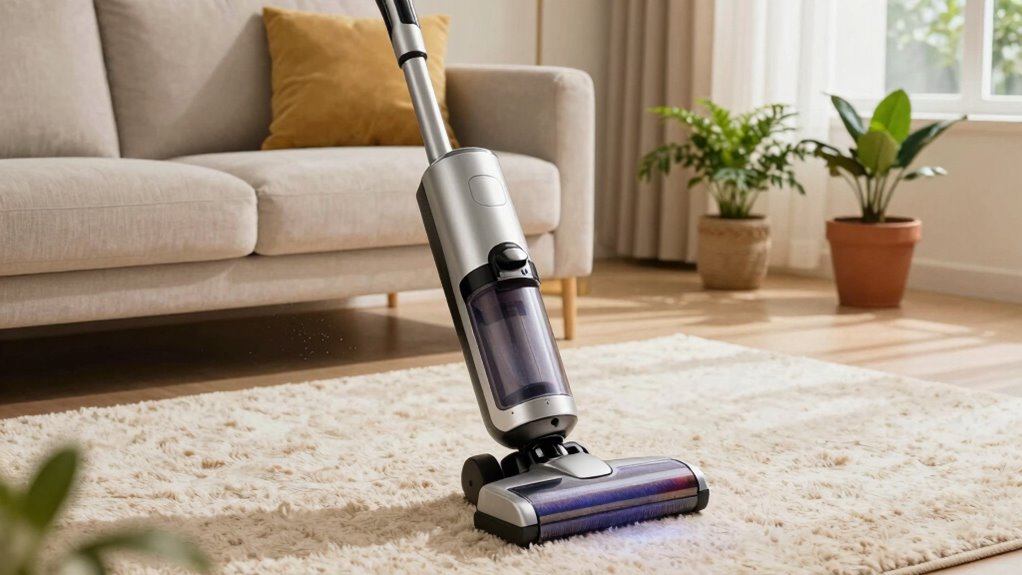

Good vacuum care helps protect your indoor comfort by preventing dust buildup and maintaining ideal performance. When you clean filters, check hoses, and clear blockages regularly, you reduce dust and allergens circulating in your home. This keeps your air cleaner, especially if you or your family members have allergies or respiratory issues. Consistent maintenance also extends your vacuum’s lifespan and guarantees it works efficiently each time. Keep going to discover more tips for a healthier, more comfortable home.

Get cleaning gear delivered free — and shop member deals
- Fast, free delivery on millions of items
- Access to Prime Big Deal Days deals on October 6–7
- Prime Video, Amazon Music and more included
Key Takeaways
- Regular vacuum maintenance prevents dust and debris buildup, ensuring cleaner indoor air and improved comfort.
- Proper care maintains vacuum efficiency, leading to more effective cleaning and less dust circulation.
- Cleaning and inspecting parts reduce allergens released into the indoor environment, benefiting sensitive individuals.
- Following brand-specific routines ensures optimal performance, preventing unexpected breakdowns that disrupt home comfort.
- Well-maintained vacuums extend device lifespan, ensuring consistent indoor cleanliness and healthier living spaces.
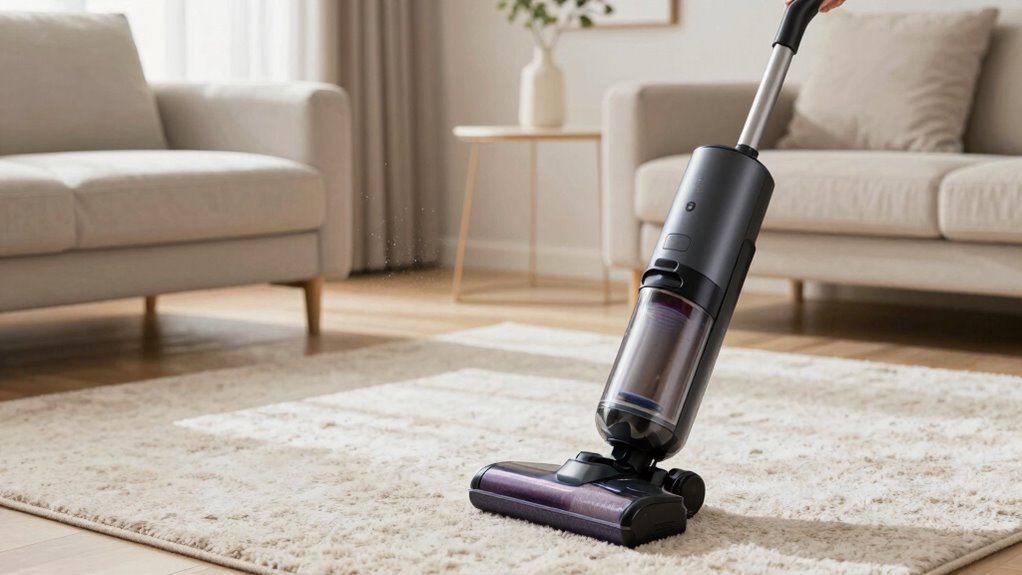
Have you ever wondered why your vacuum isn’t working as well as it used to? The answer often lies in how well you take care of it. Proper vacuum care isn’t just about fixing problems when they happen; it’s about maintaining its performance and guaranteeing your indoor environment stays clean and comfortable. Regular vacuum maintenance is key to preventing issues that can compromise your indoor air quality and overall comfort. When you neglect routine checks and cleaning, dust and debris build up, causing your vacuum to work harder and less effectively. Over time, this leads to reduced suction power and inefficient cleaning, which means more dust and allergens remain trapped in your carpets and upholstery.
Dust prevention should be a top priority in your vacuum care routine. When you keep your vacuum in good condition, you’re actively preventing dust from circulating back into your living space. This is especially important if you or your family members suffer from allergies or respiratory issues, as dust particles can aggravate these conditions. Regularly emptying the dust bin or replacing the vacuum bag prevents overfilling, which can decrease suction and allow dust to escape. Additionally, cleaning or replacing filters ensures dust doesn’t bypass the filtration system, keeping airborne allergens at bay and maintaining indoor air quality. Properly maintaining all these components contributes to dust containment and overall cleaner air.
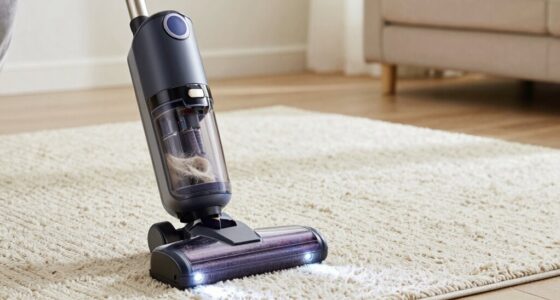
Another aspect of vacuum maintenance involves inspecting and cleaning the brush rolls and attachments. Hair, threads, and fibers tend to wrap around the brush, hampering its ability to pick up dirt effectively. By removing these obstructions regularly, you help your vacuum perform at its best and prolong its lifespan. Checking the hoses and seals for cracks or blockages also prevents dust from leaking out or clogging the system, which could diminish its efficiency. These small steps might seem simple, but they’re vital for preserving your vacuum’s performance and, consequently, your indoor comfort. Incorporating regular filter maintenance can further enhance the efficiency of your vacuum by ensuring optimal airflow and filtration. Additionally, understanding the specific cleaning and maintenance needs of your vacuum brand can help you avoid common pitfalls and extend its life based on brand-specific guidelines.
Keeping your vacuum in good shape isn’t just about its longevity—it directly impacts the cleanliness of your living space. When you practice regular vacuum maintenance and dust prevention, you reduce the amount of dust and allergens that get kicked up into the air. This creates a healthier environment, especially in homes with children, pets, or allergy sufferers. Regular maintenance also includes being mindful of vacuum performance, which can decline over time if not properly cared for. Additionally, integrating proper maintenance routines can help your vacuum last longer and work more efficiently. Ultimately, investing a little time in caring for your vacuum helps guarantee your home stays cleaner, healthier, and more comfortable, making your cleaning routine more effective and less frustrating.
As an affiliate, we earn on qualifying purchases.
Frequently Asked Questions
How Often Should I Replace My Vacuum Filters?
You should replace your vacuum filters every 3 to 6 months, depending on filter lifespan and usage. If you notice a decrease in suction or increased dust, it’s time for a replacement. Regularly changing filters keeps your vacuum running efficiently, improves indoor air quality, and prevents dust buildup. Follow your vacuum’s manufacturer guidelines for replacement frequency to guarantee peak performance and maintain your indoor comfort.
Can Vacuuming Improve Allergy Symptoms?
You can definitely improve allergy symptoms by vacuuming regularly—think of it as giving your indoor air a gentle refresh. Proper vacuuming reduces airborne allergens like dust and pet dander, which often trigger allergies. Ensuring your vacuum maintains high efficiency helps trap more allergens, preventing them from circulating. Keep filters clean and use a vacuum designed for allergen control, and you’ll notice a clearer, more comfortable indoor environment.
What’s the Best Way to Store My Vacuum?
You should store your vacuum in a cool, dry place, ideally upright to prevent damage. Use proper vacuum storage by keeping it away from clutter and direct sunlight. Regular filter maintenance is essential—clean or replace filters as recommended to keep your vacuum running efficiently. Ensuring your vacuum is stored properly helps prolong its lifespan, maintains peak performance, and keeps your indoor environment comfortable and allergen-free.
Are Robot Vacuums as Effective as Traditional Ones?
Robot vacuums can be just as effective as traditional ones if you maintain them well. You need to regularly perform robot maintenance, like cleaning sensors and brushes, and guarantee the battery lifespan is ideal by charging correctly. While they might not handle heavy-duty cleaning as efficiently, they excel at daily upkeep and hard-to-reach spots. Proper care keeps your robot vacuum working effectively, protecting your indoor comfort.
How Do I Know if My Vacuum Needs Repairs?
You’ll know your vacuum needs repairs if it starts losing suction, struggles to pick up dirt, or makes unusual noises. Check the vacuum motor for overheating or strange sounds, and inspect the brush roller for debris or wear. Regularly maintaining the brush roller and ensuring the vacuum motor functions properly keeps your vacuum performing well. If issues persist, it’s time to get professional repairs to maintain ideal cleaning and indoor comfort.
Conclusion
Taking good care of your vacuum isn’t just about maintenance—it’s about protecting your indoor comfort. When you keep your vacuum in top shape, it works more efficiently, removing dust and allergens that can trigger allergies or respiratory issues. Did you know that regular vacuum maintenance can reduce airborne allergens by up to 60%? By investing a little time in vacuum care, you’re creating a healthier, more comfortable living space for you and your family.
Evergreen bestsellers Picks
bestsellers
As an affiliate, we earn on qualifying purchases.