To avoid spreading dust while cleaning upholstery, work slowly with gentle motions and keep your vacuum attachment close to the fabric to minimize airborne particles. Cover nearby furniture and electronics with damp cloths or plastic sheets to contain dust. Use a vacuum with a HEPA filter and guarantee it creates a tight seal around surfaces. Regularly empty the vacuum and wash filters to prevent dust re-release. For more tips on keeping dust contained, explore additional cleaning strategies.

Get cleaning gear delivered free — and shop member deals
- Fast, free delivery on millions of items
- Access to Prime Big Deal Days deals on October 6–7
- Prime Video, Amazon Music and more included
Key Takeaways
- Cover nearby furniture and electronics with damp cloths or plastic sheets to contain dust during cleaning.
- Use a vacuum with a HEPA filter and maintain close proximity to the surface for effective dust removal.
- Clean in slow, deliberate strokes and divide large areas into sections to prevent dust dispersal.
- Avoid vigorous scrubbing; instead, gently agitate fibers to lift dust without stirring it into the air.
- Post-cleaning, wipe surfaces with damp cloths and use air purifiers to further reduce airborne dust.

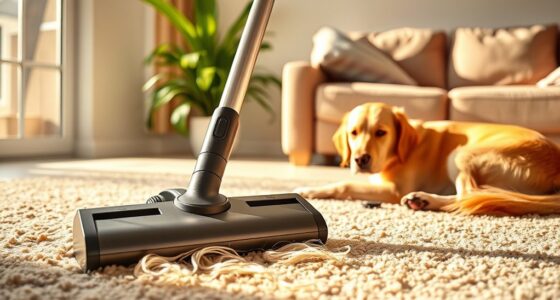
Cleaning upholstery can stir up a lot of dust if you’re not careful, which can worsen allergies and spread dirt further. To minimize this, start by using a vacuum attachment designed specifically for upholstery. A good vacuum attachment creates a tight seal around fabric surfaces and helps lift dust and dirt without dispersing it into the air. Make sure to use a tool with a brush or upholstery nozzle, which agitates the fibers gently while capturing debris efficiently. As you work, keep the vacuum close to the surface to prevent dust from becoming airborne. This not only reduces the amount of dust that escapes but also speeds up the cleaning process.
Dust containment is essential during upholstery cleaning. Before you begin, cover nearby furniture, electronics, or anything else that could be affected by dust with a damp cloth or plastic sheet. This simple step traps dust particles and prevents them from settling elsewhere. When you vacuum, consider attaching a HEPA filter if your vacuum has one. HEPA filters are designed to trap tiny particles, including allergens, dust mites, and pet dander, which standard filters might miss. This considerably improves dust containment and ensures cleaner air quality during and after cleaning. Additionally, choosing eco-friendly cleaning products can reduce chemical residues that might irritate respiratory conditions associated with dust exposure.
As you move across your upholstery, avoid vigorously scrubbing or pressing too hard, as this can loosen fibers and create more dust. Instead, work in slow, even strokes with the vacuum attachment, ensuring you cover all areas thoroughly. Regularly empty the vacuum bag or canister to prevent dust from escaping back into the environment. If you’re cleaning a large piece of furniture, divide it into sections and clean each one systematically, so dust doesn’t have a chance to spread while you move from one area to another. Additionally, utilizing proper cleaning techniques can further reduce dust disturbance and improve overall results. Using appropriate tools also helps in achieving a thorough clean while minimizing dust dispersal. To further enhance dust control, consider using air purifiers in the room during and after cleaning to improve overall air quality. Incorporating natural cleaning agents can also contribute to a healthier, more sustainable cleaning routine.
Following these practices helps maintain a healthier indoor environment and prolongs the life of your furniture. After you finish vacuuming, consider using a damp cloth or upholstery cleaner to wipe down surfaces. This helps remove residual dust and dirt that might have been loosened during vacuuming. Always wash your cloths and vacuum filters afterward to prevent recontamination. When you’re done, dispose of any collected debris outside your home or in a sealed bag, further containing dust and allergens.
upholstery vacuum attachment with HEPA filter
As an affiliate, we earn on qualifying purchases.
As an affiliate, we earn on qualifying purchases.
Frequently Asked Questions
Can Using a Vacuum Cause Damage to Delicate Upholstery Fabrics?
Using a vacuum can cause damage if you’re not careful, especially with delicate upholstery fabrics. You need to take into account the vacuum’s durability and the fabric’s sensitivity. Opt for a vacuum with gentle suction settings and soft brushes to prevent tears or fraying. Always test a small, hidden area first to ensure the vacuum won’t harm the fabric. Being cautious helps keep your upholstery looking fresh without risking damage.
What Are the Best Eco-Friendly Dust Containment Methods?
You can use natural barriers like washable curtains or fabric screens to contain dust and prevent it from spreading during cleaning. Additionally, air purifiers with HEPA filters help trap airborne dust particles, keeping your environment cleaner and healthier. Combining these eco-friendly methods guarantees minimal dust dispersal, reduces the need for harsh chemicals, and promotes a safer space while maintaining your upholstery’s cleanliness.
How Often Should Upholstery Be Cleaned to Prevent Dust Buildup?
Think of your fabric maintenance like a vintage record—regular care keeps it pristine. You should clean your upholstery every 6 to 12 months to prevent dust buildup. Frequent dust prevention, especially in high-traffic areas, helps maintain a clean environment and extends the lifespan of your furniture. Use gentle cleaning methods to avoid spreading dust, and consider professional services for deep cleaning, ensuring your upholstery stays fresh and dust-free.
Are There Specific Tools Recommended for Dust-Free Upholstery Cleaning?
Use microfiber cloths and compressed air for dust-free upholstery cleaning. Microfiber cloths trap dust particles effectively and prevent spreading. Gently wipe the surface to lift dust without dispersing it into the air. For hard-to-reach areas or stubborn dust, use compressed air to blow dust away safely and precisely. Combining these tools guarantees a thorough, dust-free clean, keeping your upholstery fresh and hygienic without spreading dirt around.
What Are Common Mistakes That Increase Dust Spread During Cleaning?
Like a detective missing clues, you might unintentionally spread dust by over-agitating fabric or using harsh tools that disturb dust trapping fibers. Avoid shaking or scrubbing vigorously, as this stirs dust into the air. Instead, gently vacuum or use a soft brush to lift dust without dispersing it. Remember, patience preserves the integrity of dust trapping fibers, preventing dust from spreading and keeping your upholstery cleaner longer.
Conclusion
By following these simple steps, you’ll turn your upholstery cleaning into a dust-busting superhero mission, saving your home from a cloud of airborne chaos. Imagine a cloud of dust so fierce, it could choke a dragon—now, with your careful cleaning, you’ll keep that beast at bay. Your furniture will emerge sparkling and dust-free, making your home feel fresher than a mountain breeze. Get ready to conquer dust forever and breathe easy!
Fall Picks
fall essentials
As an affiliate, we earn on qualifying purchases.