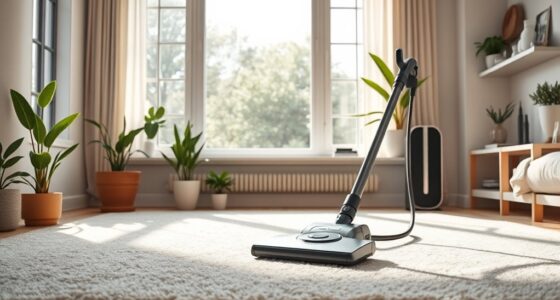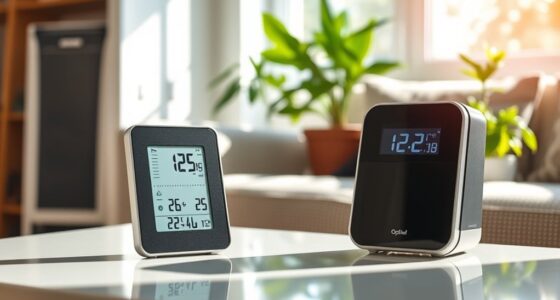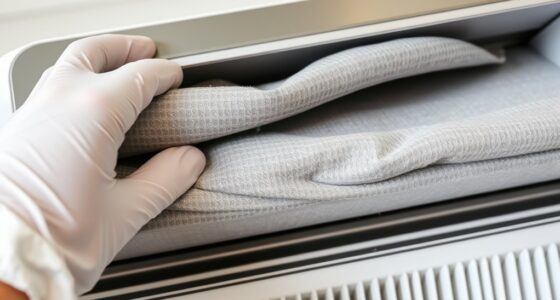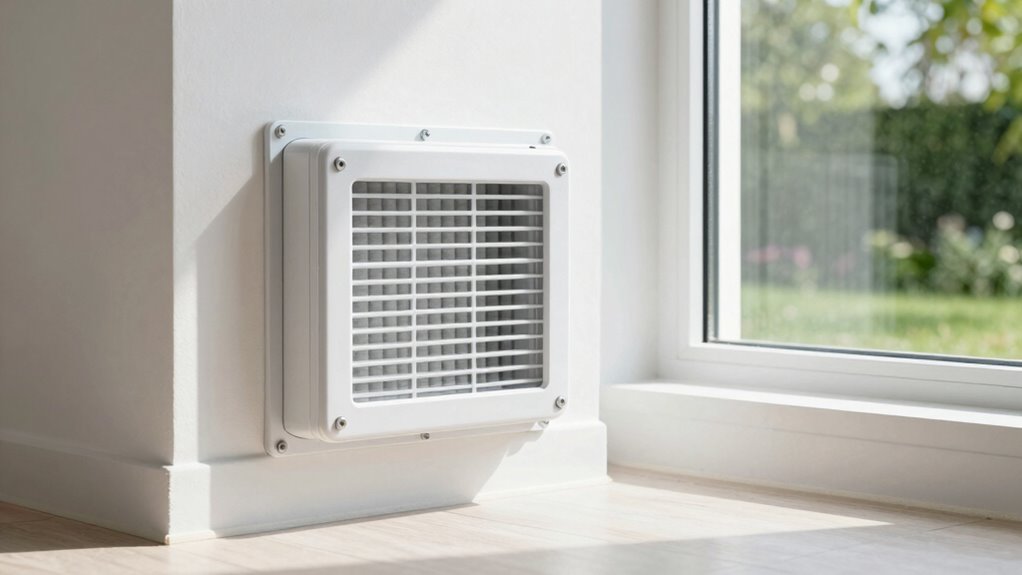
If you have allergies, sealing your home is essential because it keeps outdoor allergens, dust, pollen, and pet dander from sneaking inside. Proper sealing improves the effectiveness of air filters and helps regulate humidity, preventing mold and dust mites from thriving. It also reduces drafts and energy waste, making your home more comfortable. Maintaining a sealed system boosts overall air quality and supports allergen control efforts—discover how these improvements can make a real difference.

Get cleaning gear delivered free — and shop member deals
- Fast, free delivery on millions of items
- Access to Prime Big Deal Days deals on October 6–7
- Prime Video, Amazon Music and more included
Key Takeaways
- Proper sealing prevents outdoor allergens like pollen and dust from entering, reducing indoor allergen levels.
- Sealed systems enhance the effectiveness of air filters in trapping tiny allergens and irritants.
- Maintaining sealed environments helps control humidity, preventing mold growth and dust mite proliferation.
- Sealing reduces air leaks, improving energy efficiency and minimizing outdoor pollutant entry.
- Overall, sealed systems create a healthier, more comfortable home by improving air quality and reducing allergy triggers.
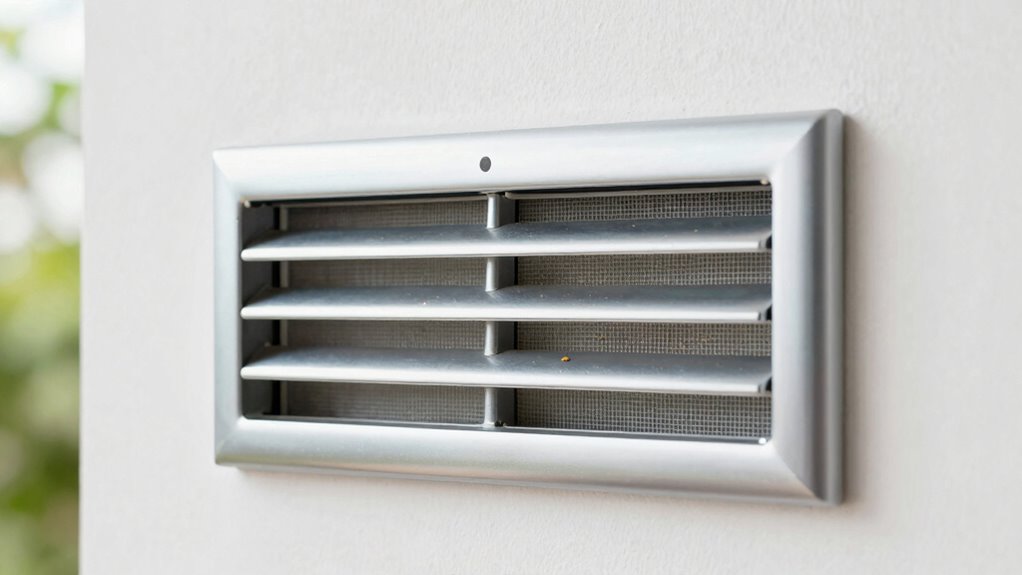
If you or someone in your home suffers from allergies, the quality of your indoor air can make a significant difference. One of the most effective ways to improve that air is by guaranteeing your home’s HVAC system is sealed properly. Sealed systems prevent unfiltered outdoor air, dust, pollen, pet dander, and other allergens from sneaking inside. Without a tight seal, these irritants can circulate freely, worsening allergy symptoms and making your living environment uncomfortable. By investing in a sealed system, you’re actively reducing the amount of airborne allergens and creating a healthier space.
Sealing your HVAC system reduces allergens, improves air quality, and creates a healthier, more comfortable home environment.
Air filtration plays a vital role in this process. When your HVAC system is sealed, it can better utilize high-quality filters to trap tiny particles that trigger allergies. These filters can catch pollen, mold spores, and even bacteria, preventing them from entering your indoor air. A well-sealed system also means your air purifier or filtration devices work more efficiently, as they are not fighting against leaks or unfiltered air coming from outside. This synergy ensures the air you breathe is cleaner and safer, especially when allergy seasons peak. Ensuring proper system sealing is essential for optimizing the effectiveness of your filtration devices.
Humidity control is another key factor in managing allergies. An unsealed system can allow excess moisture or dry air to enter your home, creating an environment conducive to mold growth or dust mite proliferation. Mold and dust mites are common allergens that thrive in specific humidity levels. A sealed HVAC system helps maintain consistent humidity, preventing these allergens from multiplying. By controlling humidity, you not only reduce the presence of allergens but also improve overall comfort. Too much moisture can make you feel damp and stuffy, while overly dry air can irritate your throat and sinuses. A sealed system preserves the right balance, making your home a healthier, more comfortable place to live.
Additionally, proper sealing can prevent air leaks that undermine the effectiveness of all your allergy mitigation efforts. Beyond allergy relief, a sealed system enhances energy efficiency. When your home is airtight, less conditioned air escapes, reducing your energy bills and minimizing drafts. It also means your HVAC system doesn’t have to work as hard to maintain a consistent temperature. This efficiency supports air filtration and humidity control efforts, creating a holistic approach to indoor air quality. Proper system sealing can also help reduce the entry of outdoor pollutants, further supporting a healthier indoor environment. Proper sealing techniques are often an important part of HVAC system design that impacts indoor air quality and energy savings.
In short, if allergies are a concern, paying attention to your home’s sealing is a smart move. It enhances air filtration, maintains ideal humidity levels, and creates a healthier environment. Sealed systems aren’t just about energy savings—they’re about protecting your health and comfort every day.
As an affiliate, we earn on qualifying purchases.
Frequently Asked Questions
Do Sealed Systems Reduce Overall Energy Bills?
Yes, sealed systems can reduce your overall energy bills. By preventing air leaks, these systems improve indoor air quality and make your HVAC more efficient. When your home is sealed properly, your system doesn’t have to work as hard to maintain temperature, which conserves energy. As a result, you save money and achieve better allergy prevention, since sealed environments limit allergens and pollutants from circulating freely.
Are Sealed Systems Difficult to Maintain or Repair?
Sealed systems can be simple to service or sometimes tricky to troubleshoot. You might find maintenance complexity manageable if you’re comfortable with basic tasks, but repair challenges increase if specialized parts or skills are needed. Regular check-ups help prevent problems, yet complex components may require professional intervention. Keep in mind, proactive maintenance minimizes surprises, making sealed systems more manageable, especially for allergy sufferers seeking cleaner, healthier air.
How Long Does Installation of a Sealed System Typically Take?
The installation process for a sealed system usually takes about one to three days, depending on your home’s size and complexity. During this timeline duration, professionals set up the system, ensuring all components are sealed properly to prevent allergens from entering. You’ll need to plan for some disruption, but the result is a more allergen-free environment. Trust the experts to complete the installation efficiently and correctly.
Can Sealed Systems Be Customized for Specific Allergy Triggers?
Yes, sealed systems can be customized for specific allergy triggers, like pollen, pet dander, or mold. Think of it as a tailored suit for your home’s air quality. With allergy-specific filtration and customization options, you can target your unique sensitivities effectively. This personalized approach helps reduce allergens circulating in your home, making the air safer and cleaner for your health.
What Are the Initial Costs Compared to Traditional Systems?
Initial costs for sealed systems are generally higher than traditional HVAC setups, but they considerably improve air quality by reducing allergens and pollutants. When you do a cost comparison, you’ll find that sealed systems save you money over time through increased energy efficiency and less maintenance. Although the upfront investment is larger, the long-term benefits in allergy relief and cleaner indoor air make it a worthwhile expense.
Conclusion
By sealing your home’s systems, you close the door on allergens sneaking in like unwelcome guests. It’s not just about comfort; it’s about reclaiming your space and breathing easier. Think of sealed systems as your home’s personal shield, guarding you from airborne irritants. Don’t let allergens run rampant—take action now, and turn your house into a sanctuary where clean air reigns supreme. Your lungs will thank you for it.
Fall Picks
fall essentials
As an affiliate, we earn on qualifying purchases.