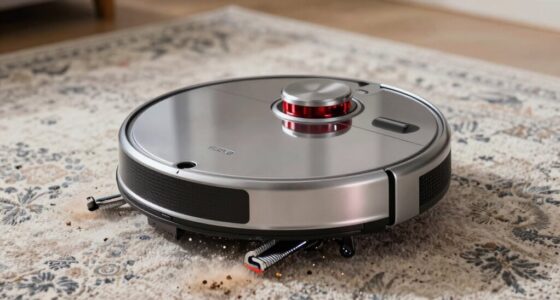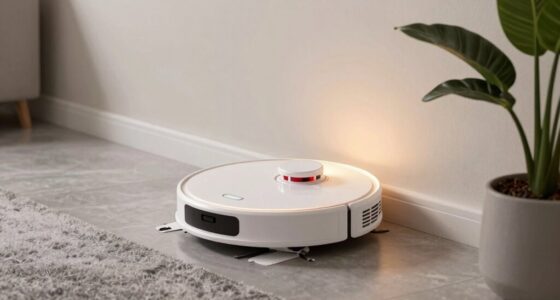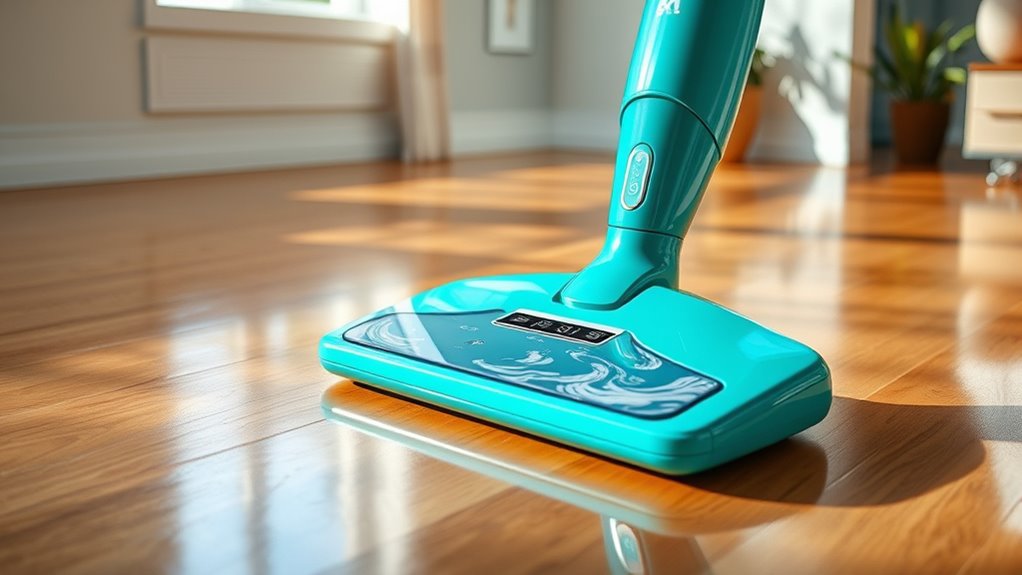

Water-recycling vacuum mops combine vacuuming and mopping into one efficient device, making your cleaning routine a breeze. They conserve water by using a closed-loop system, so you won’t need buckets for cleaning. You’ll achieve cleaner floors while minimizing allergens and chemicals in your home, which is safer for pets and kids. Plus, they support sustainability efforts. If you’re curious about their specific functions and benefits, there’s plenty more to uncover.

Get cleaning gear delivered free with Prime
- Fast, free delivery on millions of items
- Prime Video, Amazon Music and more included
- Member-only deals all year
Key Takeaways
- Water-recycling vacuum mops efficiently combine vacuuming and mopping, streamlining your cleaning routine.
- They utilize a closed-loop system to filter and reuse water, significantly conserving water.
- These devices effectively remove dirt, dust, and allergens, enhancing indoor air quality.
- They minimize the need for harmful chemical cleaners, creating a safer environment for families and pets.
- Using water-recycling vacuum mops supports sustainability and contributes to addressing global water scarcity issues.

As you tackle household cleaning, consider the benefits of water-recycling vacuum mops, which not only simplify the task but also promote eco-friendliness. These innovative tools combine the power of vacuuming and mopping in one unit, making your cleaning routine more efficient. With their ability to recycle water, they help you conserve this precious resource while achieving a spotless home.
Using water-recycling vacuum mops means you’re not only saving time but also contributing to eco-friendly cleaning practices. Traditional mopping often requires buckets of water, which can lead to unnecessary waste. In contrast, these mops use a closed-loop system that filters and reuses water as you clean, reducing your overall water consumption considerably. You’re taking a step towards sustainability by choosing a method that aligns with water conservation ideals.
Moreover, the effectiveness of these mops goes beyond just saving water. They’re designed to pick up dirt and debris efficiently, often leaving your floors cleaner than traditional methods. The vacuuming function removes dust and allergens before they have a chance to settle, ensuring that your living space is healthier for you and your family. Imagine having one device that vacuums and mops your floors simultaneously, cutting down your cleaning time while maintaining a high standard of cleanliness.
When you invest in a water-recycling vacuum mop, you’re also investing in your health. Many traditional cleaning methods involve using chemical cleaners that can release harmful toxins into the air. With eco-friendly cleaning solutions, you can use water or natural detergents, minimizing exposure to harmful substances. This is especially important if you have children or pets at home, as you want to guarantee a safe environment for everyone.
In addition to personal benefits, you’re making a positive impact on the environment. Reducing water usage is vital in a world facing water scarcity issues. By incorporating a water-recycling vacuum mop into your cleaning routine, you’re playing your part in promoting sustainability and responsible living.
As an affiliate, we earn on qualifying purchases.
Frequently Asked Questions
How Often Should I Replace the Filters in My Vacuum Mop?
You should replace the filters in your vacuum mop every three to six months, depending on your usage. Regular filter maintenance is key to keeping your machine running efficiently. If you notice a decrease in suction or an increase in dust, it might be time to check your replacement schedule. Keeping up with filter changes not only improves performance but also extends the life of your vacuum mop, ensuring it works effectively for you.
Can I Use Water-Recycling Vacuum Mops on Carpeted Surfaces?
You can use water-recycling vacuum mops on carpeted surfaces, but it’s not their ideal playground. Isn’t it ironic how a tool designed for scrubbing hard floors might be tasked with tackling plush carpets? While some models can handle light cleaning on low-pile carpets, their surface suitability varies. Always check for carpet compatibility before diving in. You don’t want to replace your carpet just because you wanted a cleaner floor!
Are There Specific Cleaning Solutions Recommended for These Vacuum Mops?
Yes, there are specific cleaning solution suggestions for these vacuum mops. You’ll want to use solutions that are compatible with their technology to guarantee maximum performance. Look for formulas labeled as safe for water-recycling systems. Avoid harsh chemicals that could damage your mop’s components or leave residues. Always check the manufacturer’s guidelines for recommendations to maintain efficiency and prolong your vacuum mop’s lifespan while achieving a thorough clean.
How Do I Troubleshoot Common Issues With My Vacuum Mop?
Did you know that 30% of vacuum mop issues stem from battery problems? To troubleshoot, first check if the battery’s charged; if not, try a different outlet. For nozzle clogs, inspect and remove debris that might be blocking airflow. Run water through the nozzle to clear it out. Regular maintenance, like cleaning filters and checking seals, can prevent these issues from recurring. You’ll keep your vacuum mop running smoothly!
What Is the Average Lifespan of a Water-Recycling Vacuum Mop?
The average lifespan of a vacuum mop varies, but you can expect around 5 to 7 years with proper care. To enhance its durability expectancy, regularly clean filters, empty the water tank, and check for clogs. You’ll also want to avoid using harsh chemicals that can damage the components. By following these maintenance tips, you’ll keep your vacuum mop running efficiently and extend its life considerably.
Conclusion
As you stand there, mop in hand, you can’t help but wonder—could this be the game-changer you’ve been waiting for? With every swipe, the water-recycling vacuum mop not only cleans but also conserves, leaving you both satisfied and curious. What other secrets does this innovative tool hold? As you put it to the test, don’t be surprised if you find yourself wondering how you ever managed without it. The future of cleaning is just a push away!
Fall Picks
fall essentials
As an affiliate, we earn on qualifying purchases.