Smart filters with sensors turn traditional filtration into intelligent systems that continuously monitor performance and detect contaminants in real-time. You can remotely control and adjust these filters, ensuring peak operation without manual checks. They improve efficiency, reduce waste, and save costs by providing precise data on filter lifespan and performance. If you’re interested in how these advanced systems can boost safety and efficiency, exploring further will uncover more innovative features and applications.
Key Takeaways
- Integrate sensors with filtration systems for real-time monitoring, data collection, and swift issue detection.
- Enable remote control and centralized management via dashboards or mobile apps for operational flexibility.
- Use IoT data to optimize maintenance schedules, extending filter lifespan and reducing operational costs.
- Detect contaminants instantly, ensuring safer environments and minimizing system downtime through automated alerts.
- Incorporate advanced monitoring of pressure, flow, and contaminant levels for proactive system adjustments and continuous operation.
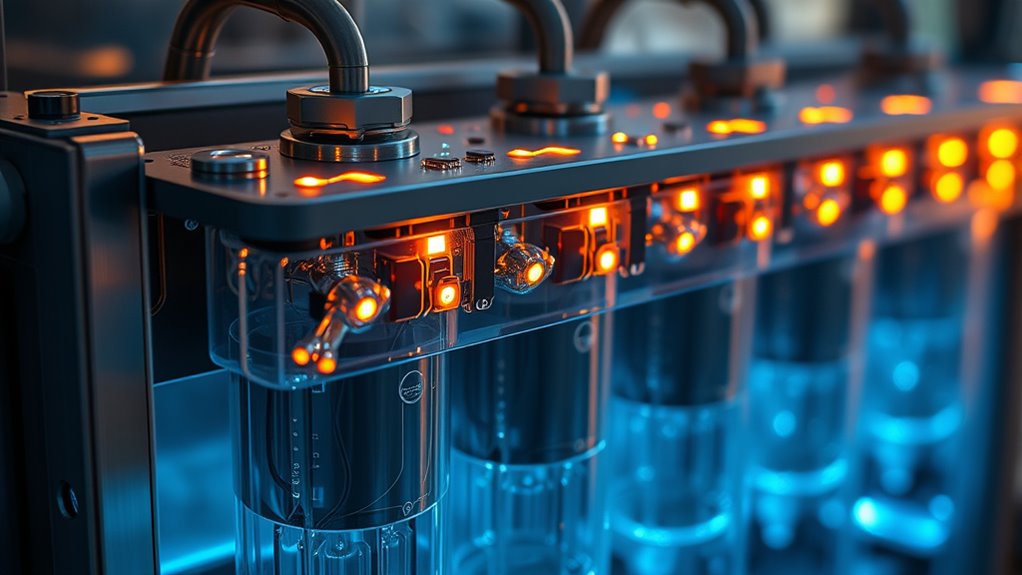
Smart filters and sensors are transforming the way we monitor and manage various systems, from air and water quality to industrial processes. At the heart of this revolution is IoT integration, which connects sensors to networks, enabling real-time data collection and analysis. With these advancements, you gain the ability to see what’s happening at every moment, allowing you to respond swiftly to issues before they escalate. This seamless connectivity ensures that filtration systems are not just passive barriers but active components that adapt dynamically to changing conditions.
When you implement smart filters equipped with sensors, you tap into a powerful network of real-time monitoring. Instead of relying on periodic manual checks, you receive continuous updates about system performance, contamination levels, or filter saturation. This constant stream of data helps you optimize maintenance schedules, reducing downtime and minimizing waste. For example, in water treatment, sensors can detect contaminants immediately when they appear, prompting instant adjustments to filtration processes. Similarly, in air quality management, sensors identify pollutants as soon as they enter the system, ensuring cleaner, safer environments.
IoT-enabled smart filters also enhance efficiency by providing precise insights into filter lifespan and performance metrics. You no longer need to replace filters on a fixed schedule; instead, replacements occur only when necessary, saving costs and resources. This targeted approach extends filter life and reduces unnecessary waste. Furthermore, the integration of these systems with your existing infrastructure allows for centralized control and monitoring. You can access real-time data remotely, whether through a smartphone app or a centralized dashboard, giving you full oversight regardless of your location.
In industrial settings, this technology becomes even more critical. Smart sensors can monitor multiple parameters simultaneously, such as pressure, flow rate, and contaminant levels, providing a thorough picture of system health. When anomalies are detected, automated alerts can trigger maintenance actions or system adjustments without delay. This proactive approach minimizes disruptions and ensures continuous operation. Additionally, nutrient-rich ingredients in filtration media can further improve system performance and sustainability.
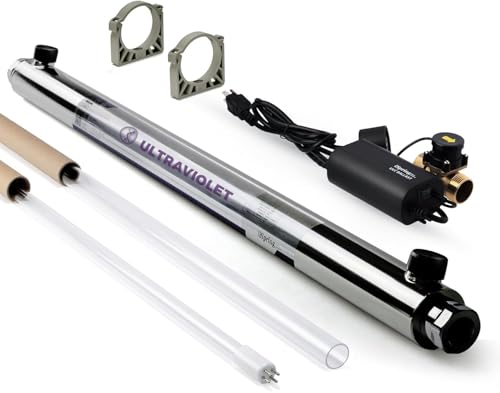
iSpring UVF55FS Whole House UV Water Filter with Smart Flow Sensor Switch, 55W, 12 GPM
Whole House Water Treatment As the UPGRADED VERSION of UV water filter iSpring UVF55, UVF55FS is a perfect…
As an affiliate, we earn on qualifying purchases.
As an affiliate, we earn on qualifying purchases.
Frequently Asked Questions
How Do Smart Filters Compare in Cost to Traditional Systems?
Smart filters tend to be more expensive upfront compared to traditional systems, but their cost comparison over time shows savings through lower maintenance and energy efficiency. You’ll find that an affordability analysis highlights long-term value, as smart filters reduce replacement frequency and improve performance. While initial costs are higher, the enhanced durability and operational savings make them a smart investment, especially if you prioritize efficiency and sustainability.
What Maintenance Is Required for Sensor-Based Filtration Systems?
You need to regularly calibrate your sensors to guarantee accurate readings, usually every few months or as recommended by the manufacturer. Keep an eye on filter replacement indicators, and change filters when needed to maintain system efficiency. Additionally, clean sensor components periodically to prevent dust and debris buildup. Proper maintenance helps extend your filtration system’s lifespan and keeps your water or air quality at ideal levels.
Are Smart Filters Compatible With Existing Plumbing Setups?
Yes, smart filters generally are compatible with existing plumbing setups, but you should verify plumbing compatibility before installation. Some systems may pose installation challenges if your current plumbing isn’t designed for advanced filtration units. It’s wise to consult with a professional to ensure smooth integration, especially if your setup involves complex piping or older infrastructure. Proper planning helps avoid unexpected issues and ensures your smart filter works efficiently.
How Long Do Smart Filters Typically Last Before Replacement?
Smart filters typically last between 6 to 12 months before needing replacement, depending on your filter lifespan and usage. You should monitor the filter’s performance and sensor alerts, which notify you when it’s time for replacement. Regularly checking these indicators guarantees peak filtration, prevents system strain, and maintains water quality. Keep track of your filter’s age to avoid unexpected issues and ensure your system runs smoothly.
Do Smart Sensors Require Specialized Technical Knowledge to Operate?
You don’t need specialized technical knowledge to operate smart sensors, but some basic understanding helps. Most systems require sensor calibration to guarantee accuracy, which might involve technical training. Once calibrated, you can easily monitor and interpret sensor data through user-friendly interfaces. If issues arise, referring to the manufacturer’s guidelines or seeking minimal technical assistance can keep things running smoothly without extensive expertise.

Air Purifiers for Home Large Room, Cover Up to 2400 Ft² with True HEPA Filter, Smart Mode, PM2.5 Air Quality Display, 22dB Sleep Mode, Aromatherapy with 2X-Purification & 360°Air Outlet, HAP603, White
【𝟐𝐗 𝐏𝐨𝐰𝐞𝐫 𝐅𝐢𝐥𝐭𝐫𝐚𝐭𝐢𝐨𝐧 𝐟𝐨𝐫 𝐋𝐚𝐫𝐠𝐞 𝐑𝐨𝐨𝐦𝐬】 The 2X-Power Filtration system purifies the air twice per hour for large…
As an affiliate, we earn on qualifying purchases.
As an affiliate, we earn on qualifying purchases.
Conclusion
As you embrace smart filters and sensors, you’ll find them seamlessly integrating into your daily life, making filtration smarter and more efficient. Coincidences happen when technology anticipates your needs, catching issues before they arise. With these innovations, you’re not just maintaining cleaner air and water—you’re experiencing a future where convenience and precision flow effortlessly together. It’s no coincidence that smarter filtration becomes your everyday ally, transforming your environment one sensor at a time.
remote control industrial filtration sensors
As an affiliate, we earn on qualifying purchases.
As an affiliate, we earn on qualifying purchases.
automated contaminant detection filters
As an affiliate, we earn on qualifying purchases.
As an affiliate, we earn on qualifying purchases.