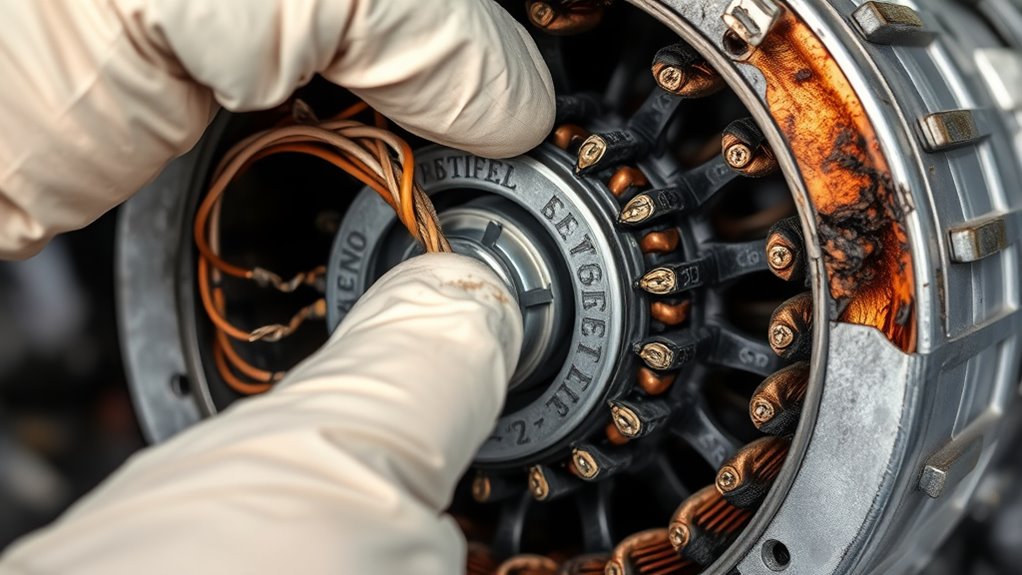

To check for motor burnout, look for signs like overheating, unusual noises, and a drop in performance or torque. Inspect for visual damage such as sparks, burned connections, or worn brushes. If the motor repeatedly trips breakers or stops unexpectedly, it could be a sign of internal damage or electrical issues. Catching these early helps prevent total failure. Continue exploring to discover how to confirm these symptoms and when to replace your motor effectively.

Get cleaning gear delivered free — and shop member deals
- Fast, free delivery on millions of items
- Access to Prime Big Deal Days deals on October 6–7
- Prime Video, Amazon Music and more included
Key Takeaways
- Look for signs of overheating, such as excessive warmth or frequent thermal trips during operation.
- Listen for unusual noises like grinding or squealing indicating internal damage or misalignment.
- Check for reduced motor performance, including decreased speed, torque, or efficiency.
- Inspect electrical connections for signs of damage, overheating, sparks, or blown fuses.
- Test insulation resistance and conduct electrical tests to identify short circuits or overload conditions.
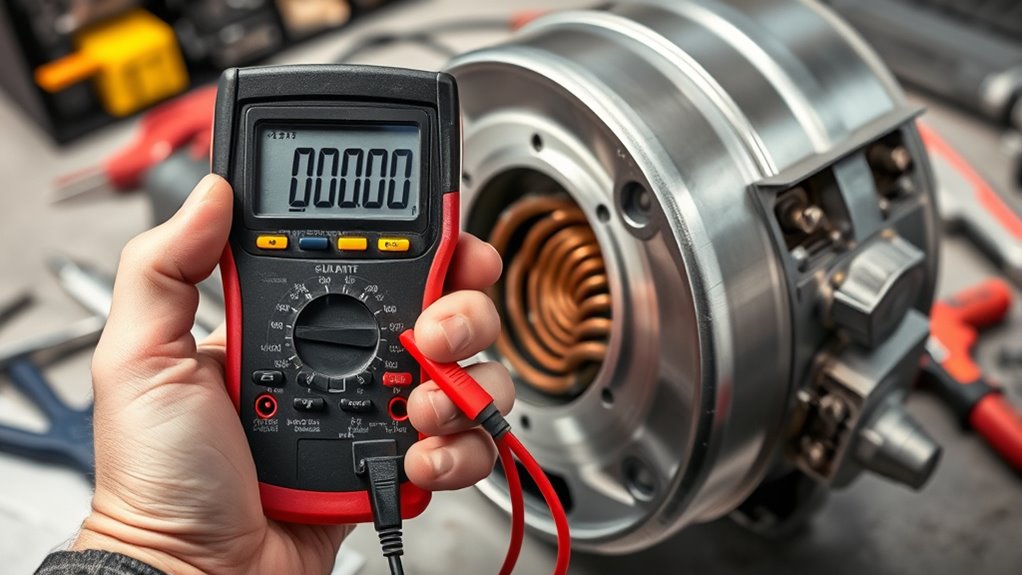
Motor burnout occurs when an electric motor’s internal components become worn out or damaged over time, leading to decreased performance or complete failure. When your motor starts acting up, it’s essential to recognize the early signs so you can prevent further damage. One of the most common indicators is motor overheating. If you notice the motor feeling excessively hot during operation or it’s shutting down unexpectedly due to thermal protection, it’s a red flag. Overheating often results from electrical issues, such as short circuits, overloaded circuits, or faulty wiring, which cause the motor to draw excessive current. Ignoring these signs can lead to insulation failure, further damaging internal parts and increasing the risk of complete burnout.
Electrical issues are often the root cause of motor overheating and subsequent burnout. You might observe frequent tripping of circuit breakers, blown fuses, or sparks around the motor connections. These problems suggest that the motor is struggling to handle the electrical load or that there’s a short circuit somewhere in the wiring. Faulty capacitors, worn brushes, or damaged stator windings can also cause electrical imbalances, leading to inconsistent motor operation. When electrical issues persist, they generate excessive heat inside the motor, accelerating wear and tear on components like bearings and insulation. Over time, this deterioration can cause the motor to seize or fail entirely. Proper electrical testing can help identify these issues early and prevent damage.
Another sign to watch for is unusual noise during operation. If your motor produces grinding, squealing, or humming sounds, it could indicate internal damage or misalignment. Coupled with decreased efficiency or sluggish performance, these sounds point toward possible burnout. You might also notice a decline in torque or speed, which suggests the motor isn’t operating as effectively as it should. This decline often results from worn brushes or damaged windings, which reduce the motor’s ability to generate the necessary magnetic fields for smooth operation. If these symptoms are present, it’s crucial to inspect the motor thoroughly to identify the source of the problem.
In many cases, motor burnout is preventable if you stay alert to these early warning signs. Regular maintenance, proper lubrication, and electrical testing can help you catch issues before they escalate. When you determine that the motor has indeed burnt out, replacing it promptly is vital to restore your equipment’s performance. Ignoring the symptoms can lead to more extensive damage, increasing repair costs and downtime. Whether you’re handling a small appliance motor or a large industrial unit, understanding these signs empowers you to take swift action and prevent complete failure.
As an affiliate, we earn on qualifying purchases.
Frequently Asked Questions
How Long Does a Typical Motor Burnout Repair Process Take?
A typical motor burnout repair process takes about one to three days, depending on the severity and whether parts need ordering. First, you’ll perform motor testing to confirm burnout. Once diagnosed, the replacement of the motor or damaged components begins. To prevent future burnout, focus on burnout prevention strategies like proper maintenance and load management. This process can be quicker if you have readily available parts and professional assistance.
Can Motor Burnout Be Prevented With Maintenance?
Yes, you can prevent motor burnout with proper preventive maintenance. Regularly inspecting and cleaning your motor helps identify issues early, reducing strain and overheating. Ensuring proper lubrication and avoiding overloading extend your motor’s lifespan. By sticking to these maintenance routines, you lower the risk of burnout, saving you time and money in repairs. Consistent upkeep keeps your motor running smoothly and efficiently over its entire service life.
What Are the Costs Associated With Motor Replacement?
Replacing a motor is like repairing a broken heart—you’ll face cost considerations and replacement expenses that can sting. On average, expect to spend from a few hundred to several thousand dollars, depending on motor size and complexity. Labor costs, parts, and potential downtime add to the bill. Planning ahead helps, but when burnout strikes, brace yourself for the financial weight of restoring your system’s heartbeat.
Are There Safety Precautions When Handling a Burnt Motor?
Yes, you should take safety precautions when handling a burnt motor. Always wear safety gear like gloves and safety glasses to protect against electrical shocks and debris. Confirm the power is completely disconnected before working on the motor, and verify with a multimeter for electrical safety. Work in a dry, well-ventilated area to prevent accidents, and follow manufacturer instructions to avoid injuries during replacement or inspection.
How Can I Test if My Motor Is Still Salvageable?
You can test if your motor is salvageable through motor testing methods like measuring resistance with a multimeter or performing a no-load test. Check for continuity and abnormal resistance, which indicate potential issues. If the motor shows signs of minor damage, salvage methods such as rewinding or replacing worn parts may work. However, if testing reveals serious damage, replacement might be the best option to guarantee reliability and safety.
Conclusion
If you notice your motor struggling or overheating, don’t ignore the signs—it’s like a warning light blinking on your dashboard. Replacing a burned-out motor is essential to keep your system running smoothly and avoid bigger problems down the road. Think of it as giving your machine a fresh breath of life, much like a doctor revives a tired body. Acting promptly guarantees your equipment stays reliable and efficient for the long haul.
Fall Picks
fall essentials
As an affiliate, we earn on qualifying purchases.