
If your vacuum’s roller brush wobbles, makes unusual noises, or stops spinning intermittently, it’s a sign your bearings might be wearing out. Look for debris buildup, increased noise, or a burning smell near the roller. You may also notice reduced suction power or that the brush’s bristles are frayed. Recognizing these signs early can prevent further damage. Keep going to discover how to identify these issues and ensure smooth operation.
Key Takeaways
- Listen for increased noise such as grinding or squeaking during vacuum operation.
- Check for wobbling or uneven rotation of the roller brush.
- Look for debris, dust buildup, or signs of bearing breakdown around the bearing area.
- Notice reduced suction power or increased motor effort during use.
- Observe visible wear, frayed bristles, or signs of bearing overheating and damage.
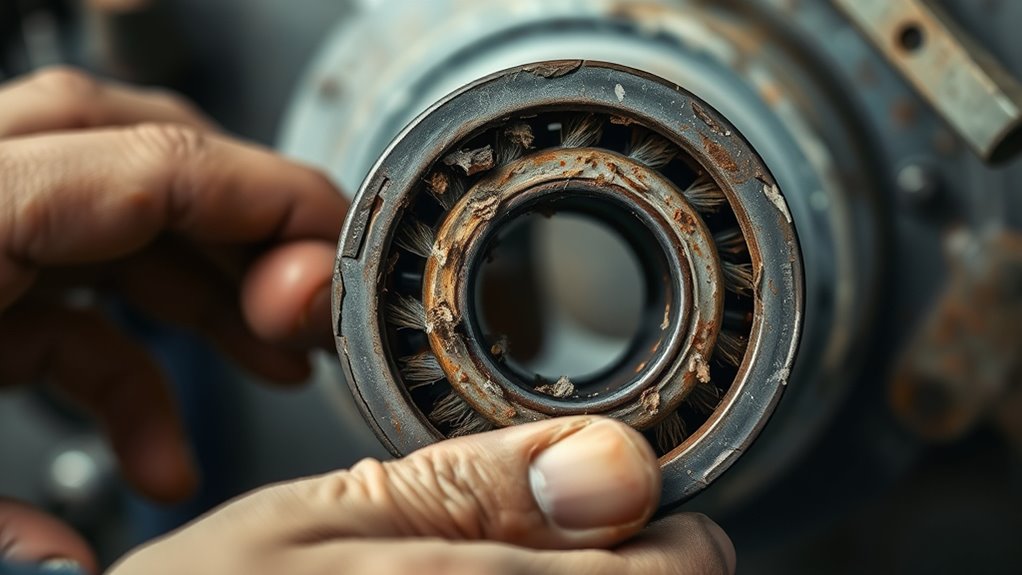
If your vacuum’s roller brush isn’t spinning properly or has started to sound noisy, worn bearings might be the culprit. Over time, the bearings that support the roller brush can degrade due to constant use, leading to reduced performance. When bearings wear out, you might notice the brush isn’t turning as smoothly, or it may stop altogether. This issue often manifests as a loud grinding or squeaking noise during vacuum operation. Recognizing these signs early can save you from more extensive repairs down the line.
Worn vacuum roller bearings cause noise, uneven spinning, and performance issues.
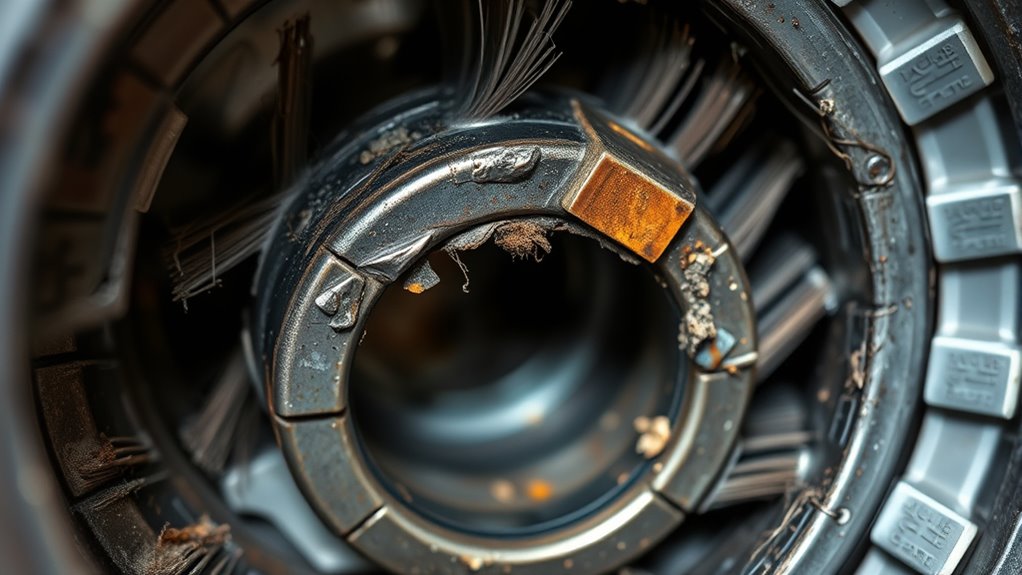
One of the main signs of bearing wear is the uneven rotation of the roller brush. Instead of spinning freely and consistently, the brush might wobble or stop intermittently. This irregular movement indicates that the bearings aren’t fully supporting the shaft anymore. Additionally, if you observe any visible debris or dust buildup around the bearing area, it could be a sign that the bearings are breaking down and releasing particles. Such debris can further impair the bearing’s function, accelerating wear and tear.
Worn bearings often lead to brush wear, where the bristles become frayed or uneven due to irregular rotation. When bearings are no longer lubricated properly, friction increases, causing the bearing surfaces to heat up and wear out faster. Bearing lubrication is essential for smooth operation; without it, the metal parts grind against each other, producing noise and accelerating damage. If you notice a burning smell or excessive heat around the roller, it’s a clear indication that bearing lubrication has diminished, and the bearings need immediate attention.
Another sign of impending failure is increased motor strain. When bearings are worn or dry, they resist the rotation of the roller, putting extra load on the motor. You might feel this as a decrease in suction power or see the vacuum working harder than usual. If ignored, this added strain can damage the motor or other internal components. Regularly inspecting the roller brush and bearings can help you catch these signs early. If you observe significant brush wear or suspect dry bearings, replacing the bearings promptly will restore proper brush function, improve cleaning performance, and extend your vacuum’s lifespan.
Being aware of bearing deterioration signs can help you perform timely maintenance and avoid costly repairs.
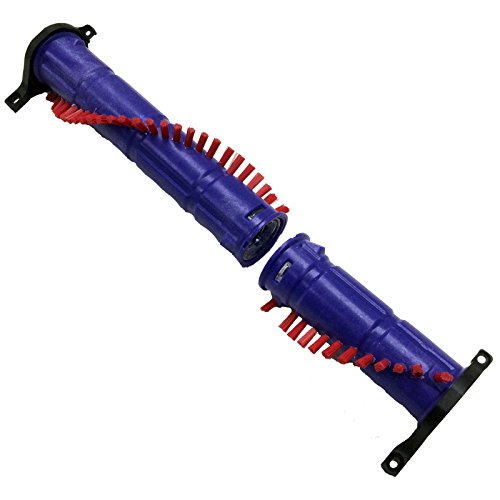
First4spares Supreme Replacement Vacuum Cleaner Brush Roll Bar DC65,DC66 and UP-13 Brushroll Spinner Brushes Compatible with Dyson DC65, DC66 and UP-13
- Product Compatibility: Fits Dyson DC65, DC66, UP-13
- High-Quality Replacement: Replaces worn-out brush rolls
- Deep Carpet Cleaning: Lifts more dirt for cleaner carpets
As an affiliate, we earn on qualifying purchases.
As an affiliate, we earn on qualifying purchases.
Frequently Asked Questions
How Often Should Roller Brush Bearings Be Inspected?
You should inspect roller brush bearings regularly, ideally following your maintenance schedule. Typically, every 3 to 6 months, or whenever you notice a change in performance, use proper inspection techniques like visual checks for wear, unusual noise, or wobbling. Consistent inspections help catch issues early, preventing further damage. Keep a routine to make certain your equipment runs smoothly and efficiently, reducing downtime and costly repairs.
Can Worn Bearings Cause Damage to the Roller Brush?
Worn bearings can subtly cause damage to your roller brush, like a faint bearing noise hinting at trouble. Over time, they may lead to vibration issues that shake the brush’s alignment and wear down other components. If ignored, this can result in more extensive damage, making repairs costly. Regular inspections catch these signs early, helping you prevent damage and keep your roller brush running smoothly.
Are There Different Types of Bearings for Various Roller Brushes?
Yes, there are different types of bearings for various roller brushes, which depend on bearing material and lubrication needs. You might find ball bearings, roller bearings, or ceramic bearings, each suited for specific applications. Bearing material, like rubber, plastic, or metal, affects durability and compatibility, while bearing lubrication guarantees smooth operation and longevity. Choosing the right type helps prevent wear and maintains your roller brush’s performance efficiently.
What Are the Risks of Ignoring Bearing Wear Signs?
Ignoring bearing wear signs can lead to serious equipment damage. You risk increased friction and overheating, which can cause bearing failure. This often results in costly repairs and downtime. Proper lubrication maintenance helps prolong bearing life, but if signs of wear are disregarded, you’ll need to follow bearing replacement procedures sooner. Addressing issues early ensures smooth operation, prevents further damage, and keeps your machinery running efficiently.
Is It Possible to Upgrade to More Durable Bearings?
Imagine you’re in the Batcave, upgrading your gear—yes, you can definitely upgrade to more durable bearings. You’ll want to contemplate bearing material options like ceramic or high-grade steel for longevity. Upgrading options include choosing bearings with better sealing or higher load capacity. This investment helps prevent wear and extends your equipment’s life, making your cleaning routine smoother and more efficient.
Conclusion
Regularly inspecting your roller brush bearings can prevent costly repairs and maintain peak cleaning performance. Did you know that worn bearings can reduce your vacuum’s efficiency by up to 30%? By catching signs of wear early and replacing bearings when needed, you keep your device running smoothly and extend its lifespan. Don’t ignore those strange noises or decreased suction—staying proactive ensures your vacuum continues to do its best every time you use it.