
To prevent premature wear on your vacuum brushes, regularly inspect and clean them. Remove hair, string, and debris that can cause uneven rotation and damage. Adjust the vacuum height and brush speed to suit your carpet type, avoiding excessive pressure. Use proper attachments and avoid vacuuming overly heavy debris like gravel. Replacing worn brushes promptly and maintaining peak airflow also help extend their lifespan. Keep these tips in mind to protect your equipment—more helpful advice awaits.

Get cleaning gear delivered free — and shop member deals
- Fast, free delivery on millions of items
- Access to Prime Big Deal Days deals on October 6–7
- Prime Video, Amazon Music and more included
Key Takeaways
- Regularly inspect and remove debris, hair, and string from brush rolls to prevent uneven rotation and buildup.
- Adjust vacuum height and brush speed settings to suit carpet type and prevent fiber damage.
- Use appropriate attachments and avoid vacuuming high-pile or delicate carpets with unsuitable brushes.
- Schedule routine replacement of worn brushes to maintain cleaning efficiency and prevent damage.
- Ensure proper airflow and clean filters to reduce debris buildup and uneven brush wear.

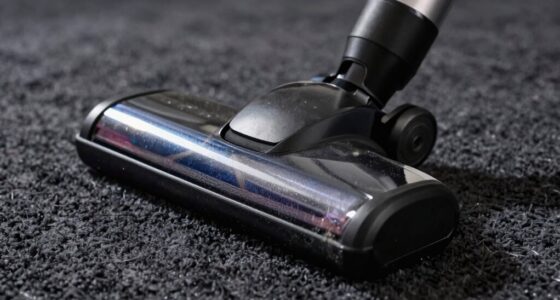
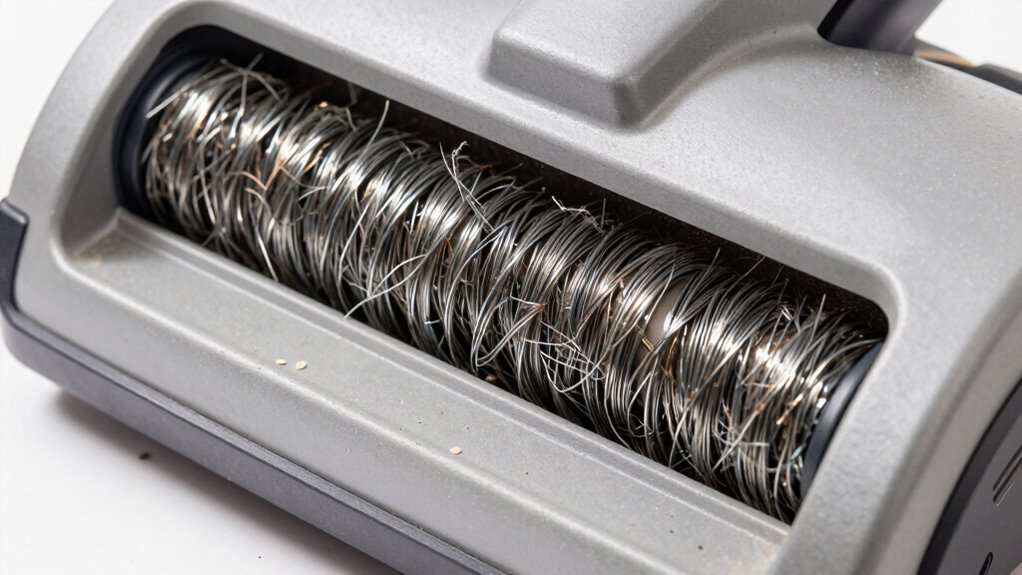
Ever wonder why your vacuum brushes wear out so quickly? The answer often lies in how well you perform vacuum brush maintenance and how carefully you handle your cleaning routines. If you neglect these aspects, you risk not only replacing brushes more often but also damaging your carpets. Proper vacuum brush maintenance is essential for extending the lifespan of your equipment and protecting your carpet fibers at the same time. When brushes are clogged or worn unevenly, they can pull at fibers unnecessarily, causing premature wear. Regularly inspecting and cleaning your vacuum brushes keeps debris, hair, and string from wrapping around the brush rolls, which can cause uneven rotation and added stress on the bristles. It’s a simple step that makes a big difference.
Regularly inspecting and cleaning your vacuum brushes prevents damage and extends their lifespan.
You should also focus on carpet fiber protection by adjusting your vacuum settings appropriately. Many vacuums come with height adjustments or brush speed controls; using these correctly can prevent excessive agitation that may fray or pull delicate fibers. For instance, setting the vacuum too low or running it with an overly aggressive brush can damage softer carpets, leading to frayed edges and worn patches. Conversely, if the vacuum is set too high, it may not effectively pick up debris, forcing you to go over the same area multiple times, which accelerates wear. Striking the right balance minimizes stress on both your carpet fibers and your vacuum’s brushes. Proper airflow around your vacuum, as recommended in air purifier maintenance, can also help prevent debris from accumulating in the brushes and causing uneven wear. Additionally, understanding the contrast ratio of your vacuum or cleaning equipment can influence how thoroughly it cleans without damaging delicate fibers. Ensuring your vacuum has the appropriate filtering system helps to maintain optimal airflow and prolongs the life of your brushes. Maintaining proper brush roll tension can also help reduce uneven wear and improve cleaning efficiency.
Another tip for preventing premature brush wear involves minding the types of debris you vacuum up. Heavy debris like gravel or large bits of trash can rapidly dull or break brush bristles. Always pick up larger or sharp objects by hand before using your vacuum. Additionally, avoid vacuuming over high-pile or delicate carpets with a brush that isn’t suitable for such textures. Using a specialized attachment or adjusting the brush height can help protect fragile fibers while maintaining cleaning effectiveness. Being aware of your vacuum’s filtration and suction capabilities also helps prevent debris from damaging the brushes or being pushed further into the carpet fibers.
Finally, schedule regular maintenance for your vacuum, including replacing worn brushes when needed. Even with diligent care, brushes wear down over time, and continued use of a worn brush can do more harm than good. By replacing brushes promptly and maintaining a clean vacuum, you keep your carpet fibers protected, your vacuum functioning efficiently, and your home looking its best. Following these simple steps ensures you get the most out of your vacuum while safeguarding your flooring investments.
As an affiliate, we earn on qualifying purchases.
Frequently Asked Questions
Can Using a Vacuum on Uneven Surfaces Cause Faster Brush Wear?
Yes, using a vacuum on uneven surfaces can cause faster brush wear. When you vacuum over uneven terrains, the brushes often struggle to maintain consistent contact, leading to uneven pressure and increased friction. This extra strain accelerates brush wear, especially if you’re frequently cleaning areas with rough textures or obstacles. To reduce this, adjust your vacuum settings for different surfaces and regularly inspect your brushes for signs of wear.
Do Different Types of Flooring Require Different Vacuum Brush Maintenance?
Like tailoring a suit to fit perfectly, different flooring needs specific vacuum brush maintenance. For carpet care, you should regularly check and replace the brush roll to prevent fibers from clogging it. Hardwood maintenance requires gentle cleaning to avoid scratches, so use a soft brush or a setting optimized for hard floors. Adapting your vacuum care guarantees longevity and efficient cleaning, no matter your flooring type.
How Often Should I Replace Vacuum Brushes to Prevent Excessive Wear?
You should replace vacuum brushes when you notice excessive wear or loss of bristles, typically every 6 to 12 months depending on usage. Regular brush replacement is essential for wear prevention, ensuring your vacuum functions efficiently and protects your flooring. Keep an eye on the bristles’ condition, and don’t delay replacing the brushes, as worn brushes can damage surfaces and reduce cleaning performance.
Can Vacuum Brush Wear Be a Sign of a Larger Vacuum Motor Issue?
When your vacuum brush wears out quickly, it can be a red flag, like a warning light flickering on your dashboard. Excessive wear may signal issues with the vacuum motor or improper brush rotation, causing uneven strain. If the motor struggles or the brush spins irregularly, it’s time to examine for underlying problems. Addressing these early ensures your vacuum remains a reliable workhorse, not a broken-down beast.
Are There Specific Cleaning Products That Can Damage Vacuum Brushes?
Yes, certain cleaning products can damage vacuum brushes. Chemical damage occurs when you use harsh or abrasive cleaners, which can weaken or degrade the bristles and the brush mechanism. Always check your vacuum’s manufacturer recommendations before applying any cleaning products. Stick to gentle, vacuum-specific cleaning solutions and avoid abrasive cleaners to guarantee your vacuum brushes stay effective and last longer without premature wear.
Conclusion
By taking these simple steps, you can extend the life of your vacuum brushes and keep your floors looking fresh. Regular maintenance, gentle handling, and timely replacements are your best allies—think of them as the guardians of your vacuum’s health. Just like a well-tuned instrument, your vacuum works best when cared for, preventing premature wear from turning it into a battle it can’t win. Keep it running smoothly, and enjoy cleaner, happier floors for longer!
Fall Picks
fall essentials
As an affiliate, we earn on qualifying purchases.