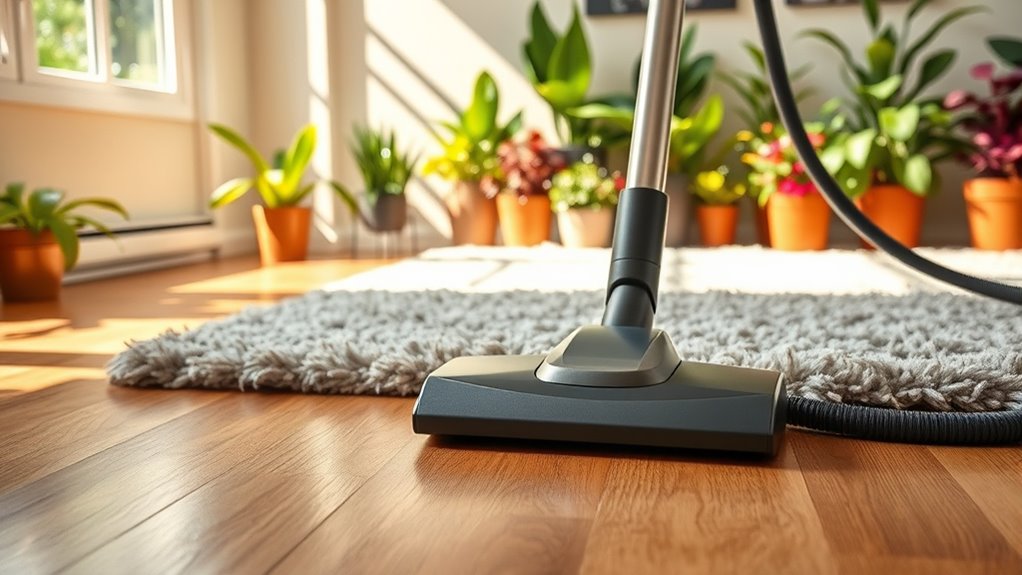

Preparing your home for allergy season starts with regular vacuuming. It helps reduce dust, pet dander, and pollen, improving your indoor air quality. Use a vacuum with a HEPA filter to trap tiny particles and prevent them from re-entering the air. Consider switching to hard flooring or low-pile carpets for easier cleaning. Pair vacuuming with air purifiers for maximum results. Follow these tips, and you’ll create a healthier living environment throughout allergy season and beyond.
Key Takeaways
- Vacuum regularly to reduce dust, pet dander, and pollen, improving indoor air quality during allergy season.
- Choose a vacuum with a HEPA filter to effectively capture and contain allergens.
- Opt for hard flooring or low-pile carpets to minimize allergen accumulation compared to traditional carpets.
- Maintain your vacuum by regularly emptying dust canisters and changing filters as recommended for optimal performance.
- Use air purifiers alongside vacuuming to further enhance air quality and reduce allergens in your home.

As allergy season approaches, preparing your home is essential to minimize symptoms and create a comfortable environment. One of the most effective strategies you can employ is vacuuming regularly. Dust, pet dander, and pollen can accumulate quickly, triggering your allergies. By establishing a consistent cleaning routine, you can substantially reduce these irritants and improve your indoor air quality.
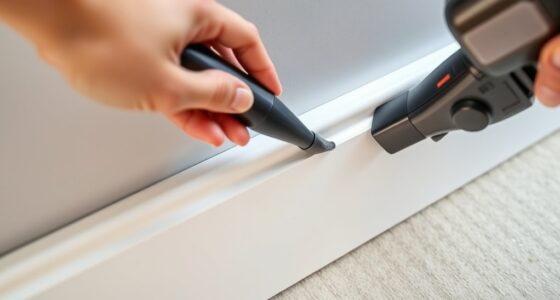
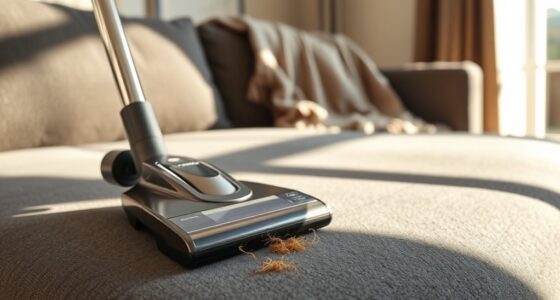
Start by choosing the right vacuum cleaner. Look for a model equipped with a HEPA filter, which captures even the smallest particles, ensuring they’re not released back into the air. You’ll be amazed at the difference a good vacuum can make. If you have pets, it’s vital to vacuum more frequently. Pet hair and dander can cling to carpets and furniture, so aim to vacuum at least once a week, if not more. Pay special attention to high-traffic areas and places where your pets like to lounge, as these spots tend to accumulate allergens faster.
Choosing a vacuum with a HEPA filter and vacuuming frequently can significantly reduce allergens in your home.
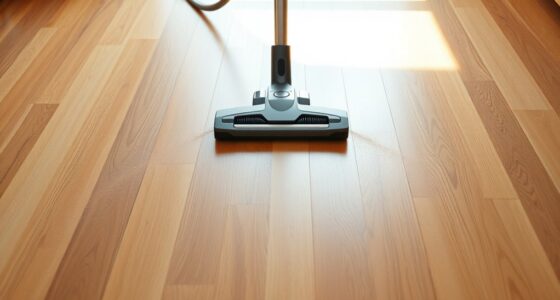
In addition to vacuuming, consider your flooring choices. If you haven’t already, think about switching to allergy-friendly flooring options. Hard surfaces like tile, laminate, or hardwood are easier to clean and don’t trap allergens like carpets do. If you love the comfort of carpets, opt for low-pile varieties that are less likely to hold onto dust and dirt. When you combine these flooring choices with regular vacuuming, you’ll create a healthier environment for yourself and your family.
Don’t forget about the air in your home. Utilizing an air purifier can provide meaningful air purifier benefits. These devices filter out allergens and pollutants, helping to keep your indoor air clean. Place air purifiers in commonly used areas, such as the living room or bedroom, to maximize their effectiveness. This addition complements your vacuuming efforts, ensuring that the air you breathe is fresh and free from allergens. Additionally, regular maintenance of your air purifier, including filter replacement every 6-12 months, ensures optimal performance and air quality.
Finally, maintain your vacuum cleaner. Regularly empty the dust canister and change the filters according to the manufacturer’s instructions. A well-maintained vacuum works more efficiently, ensuring you’re getting the best results possible. By committing to a thorough vacuuming routine, choosing allergy-friendly flooring, and utilizing an air purifier, you’ll create a sanctuary that minimizes allergy symptoms and promotes your overall well-being. You deserve a comfortable home, especially during allergy season.
Frequently Asked Questions
How Often Should I Vacuum During Allergy Season?
You should vacuum at least twice a week during allergy season to keep airborne allergens and allergy triggers at bay. If you have pets or live in a high pollen area, consider vacuuming every other day. Make sure to use a vacuum with a HEPA filter to effectively capture dust, pet dander, and other allergens. Regular vacuuming helps create a cleaner environment, reducing the chances of an allergic reaction in your home.
What Type of Vacuum Is Best for Allergies?
A vacuum with a HEPA filter can capture up to 99.97% of allergens, making it a great choice for allergy sufferers. When you’re looking for the best vacuum, consider a cordless vacuum for its convenience and maneuverability. These models are easier to handle and can reach those tricky spots where dust and allergens hide. Investing in a HEPA-filtered cordless vacuum can considerably improve your home’s air quality during allergy season.
Can Vacuuming Actually Worsen Allergies?
Yes, vacuuming can worsen allergies if you don’t use the right equipment. Standard vacuums might stir up dust mites and pet dander, releasing allergens back into the air. To avoid this, you need a vacuum with a HEPA filter that traps these particles instead of letting them escape. Regularly vacuuming can help reduce allergens, but it’s essential to choose the right vacuum to keep your home safe and comfortable.
Should I Vacuum Before or After Cleaning Surfaces?
They say, “A clean home is a happy home.” For the best results, vacuum after cleaning surfaces. This way, you’ll pick up any allergens that may have settled during your dusting or wiping. If you stick to a regular vacuuming schedule, it’ll help prevent allergen buildup and keep your space fresh. Remember, tackling surfaces first allows your vacuum to catch all the dust and debris, ensuring a cleaner environment for you.
How Do I Maintain My Vacuum for Optimal Allergen Removal?
To maintain your vacuum for maximum allergen removal, focus on vacuum filter maintenance and brush roll cleaning. Check and replace the filter regularly, as a clogged filter can reduce suction. Clean the brush roll by removing hair and debris that can affect its performance. Don’t forget to empty the dust bin often, too. By keeping these components in top shape, you’ll guarantee your vacuum effectively captures allergens and keeps your home cleaner.
Conclusion
So, while you might think that dust and allergens are just part of life, it’s ironic how a little vacuuming can change everything. By taking a few minutes to clean your space, you’re not just battling seasonal allergies; you’re reclaiming your home. Who knew that the simple act of vacuuming could transform your living environment from a sneeze-inducing nightmare into a breath of fresh air? Embrace the irony—your clean home could be your best defense against allergy season!