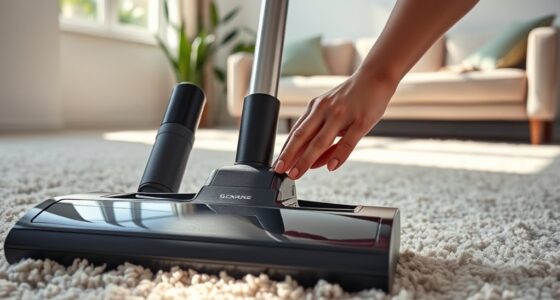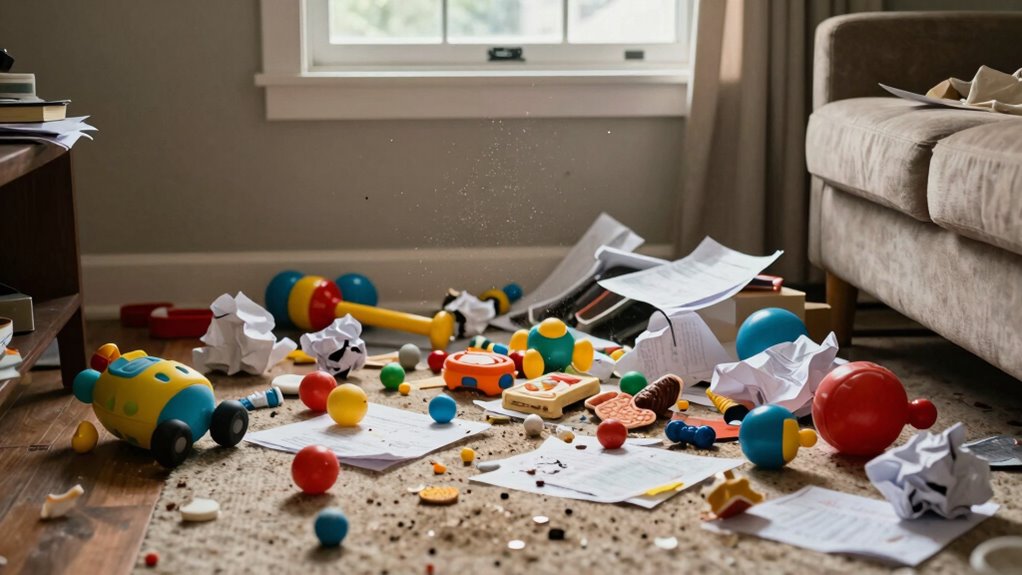

Ignoring small messes allows dirt, stains, and grime to settle, making cleanup harder later. When spills or clutter are left untouched, they can spread and become bigger problems over time. Small issues create a foundation for larger messes if you don’t act quickly. Developing habits to address messes immediately can prevent them from escalating. Want to discover more ways quick cleanup can keep your home spotless? Keep going to find out how simple habits make a big difference.

Get cleaning gear delivered free with Prime
- Fast, free delivery on millions of items
- Prime Video, Amazon Music and more included
- Member-only deals all year
Key Takeaways
- Small messes, if ignored, can lead to stubborn stains and more extensive damage over time.
- Neglecting minor spills allows dirt and grime to settle, making cleaning more difficult later.
- Small issues can escalate into larger problems by creating patterns of neglect and disorganization.
- Delayed cleanup enables bacteria, mold, and stains to develop, complicating future cleaning efforts.
- Routine neglect of minor messes reduces overall home hygiene and increases long-term maintenance challenges.
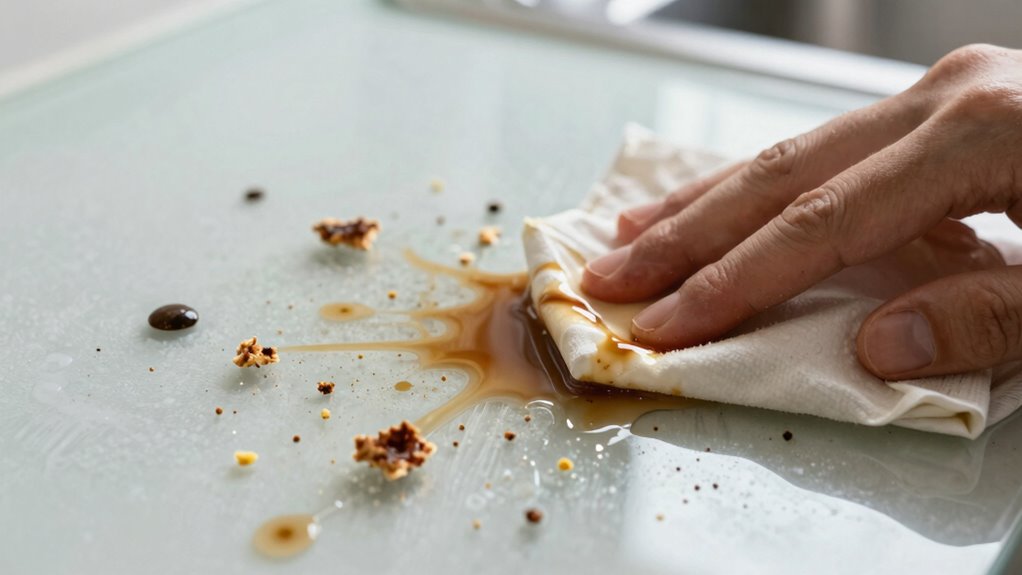
Even small messes can quickly escalate into bigger cleaning problems if you ignore them. When you neglect to clean up spills or leave clutter around, it sets a pattern that’s hard to break. Your cleaning habits play a significant role in how manageable your space remains. If you develop the habit of addressing messes immediately, you prevent dirt, stains, and grime from settling in. On the other hand, ignoring spills or delaying cleanup allows them to seep into surfaces, making them more stubborn and difficult to remove later. Small messes seem insignificant at first, but they often serve as the foundation for larger issues down the line.
Spill management is especially *vital* because liquids tend to spread quickly and cause damage if not addressed promptly. For example, a spilled drink or sauce left unattended can seep into carpets, upholstery, or wood flooring, leading to stains or warping. When you delay cleaning, the spill doesn’t just stain the surface—it can also attract mold or bacteria, which complicate the cleanup process. Making a habit of spot cleaning as soon as a spill occurs helps contain the mess and minimizes damage. It’s a simple step that saves you time and effort later. Additionally, understanding how resources like eco-friendly disposal methods work can help you dispose of kitchen waste responsibly, preventing further messes or environmental harm. Proper waste management is an essential part of maintaining a clean and healthy home environment. Developing a cleaning routine that prioritizes quick responses to messes can further reduce the chances of problems developing over time.
Creating awareness about the importance of spill management can also motivate you to act swiftly when accidents happen, reducing the extent of damage. Establishing effective cleaning routines can also help you stay ahead of potential issues caused by small messes. Your approach to handling small messes influences the overall cleanliness of your home. If you tend to overlook minor spills or clutter, it encourages a cycle of neglect. Over time, these small issues accumulate, leading to worse odors, visible stains, or even pest problems. Conversely, establishing good cleaning habits means you stay on top of messes before they grow. Using effective spill management techniques—like blotting rather than rubbing, using the right cleaning agents, and acting quickly—can prevent many problems from escalating. Consistency is *essential*; the more you practice immediate cleanup, the less likely small issues will snowball into major cleaning challenges. Developing a routine for quick cleanup can become part of your daily habits, making cleanup less of a chore and more of a preventative step.
As an affiliate, we earn on qualifying purchases.
Frequently Asked Questions
How Quickly Should I Clean up Small Messes?
You should clean up small messes as soon as you notice them to maintain effective cleaning routines and prevent clutter from piling up. Addressing messes immediately keeps your space tidy and reduces the chance of stains or stains setting in. Incorporate quick cleanup sessions into your daily routine, making clutter management easier and more manageable. The sooner you tackle small messes, the less effort you’ll need for larger cleaning tasks later.
Are Certain Messes More Likely to Escalate?
Yes, certain messes are more likely to escalate. Mess accumulation from spills or clutter chaos can quickly get out of hand if you don’t clean them promptly. When you ignore small messes like crumbs or scattered papers, they tend to spread, attracting dirt and creating a habit of neglect. Tackling messes early keeps clutter chaos under control, preventing minor issues from turning into major cleaning challenges later on.
What Tools Are Best for Quick Cleanup?
For quick cleanup, you should keep essential tools nearby. Cleaning hacks often recommend a microfiber cloth for spills, a handheld vacuum for crumbs, and multi-purpose spray for surfaces. Tool recommendations include a small scrub brush, disposable wipes, and a spray bottle filled with cleaning solution. These tools help you act fast, prevent messes from spreading, and save time, making cleanup easier and more efficient.
Can Neglecting Small Messes Affect Health?
Neglecting small messes can seriously impact your health. Dirt accumulation and allergen buildup from tiny spills or dust may seem harmless, but over time, they worsen, leading to respiratory issues or allergies. Imagine the quiet danger lurking in overlooked crumbs or pet hair—what starts as a minor inconvenience can turn into a health hazard. Staying vigilant with quick cleanups prevents these small messes from turning into bigger, more harmful problems.
How Can I Prevent Small Messes From Worsening?
You can prevent small messes from worsening by establishing strong organizational habits and sticking to a regular cleaning schedule. Keep clutter in check and tidy up daily to avoid buildup. Use designated spots for items and declutter often, making cleanup quicker. Consistency is key; daily attention prevents small messes from becoming overwhelming. With these habits, you maintain a cleaner space and reduce the risk of bigger cleaning problems.
Conclusion
Don’t ignore small messes—they may seem harmless now, but they can quickly escalate into bigger cleaning problems. You might think you don’t have time to tidy up every little spill or clutter, but tackling messes early actually saves you time and effort later. If you stay proactive, you’ll keep your space cleaner and more manageable. So next time, don’t wait—clean up small messes right away, and you’ll avoid the bigger headache they can become.
Halloween Picks
halloween
As an affiliate, we earn on qualifying purchases.