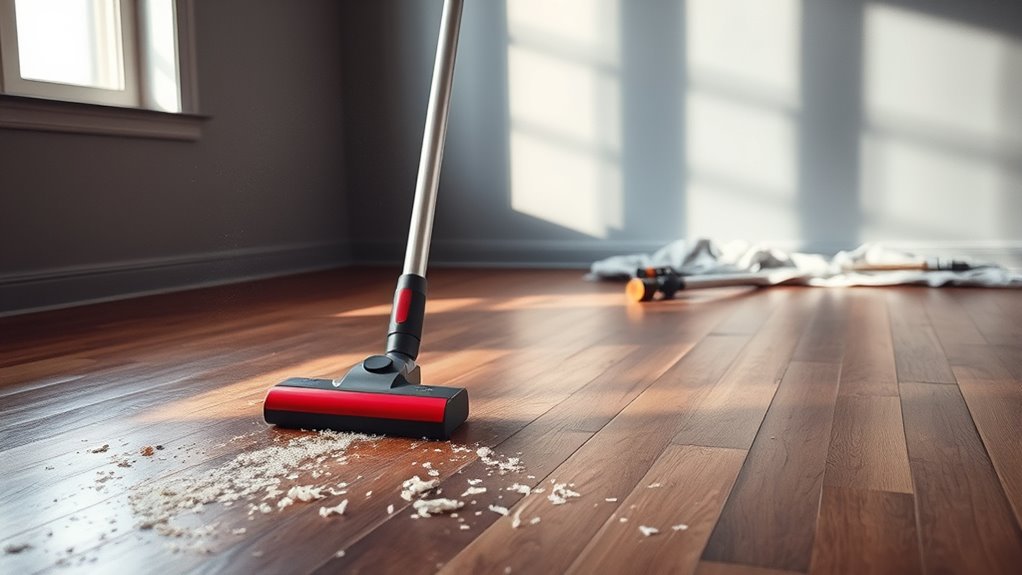

Vacuuming after renovations and construction is essential for getting rid of harmful dust that can affect your air quality and health. Make sure to use a high-quality vacuum designed for construction cleanup, and maintain it by checking filters and bags regularly. Start from the highest points in the room and work your way down while paying attention to corners and crevices. Combining vacuuming with wiping surfaces will ensure a thorough clean. Discover effective techniques to make your space a dust-free haven.
Key Takeaways
- Use a high-quality vacuum cleaner with powerful suction and specialized filters for effective dust removal after renovations.
- Ensure vacuum filters are clean and bags are replaced to maintain optimal performance before starting the cleaning process.
- Vacuum from the highest points in the room downwards to avoid redistributing dust onto already cleaned surfaces.
- Use upholstery attachments for furniture and combine vacuuming with damp cloth wiping on hard surfaces for thorough dust removal.
- Consider running an air purifier post-vacuuming to capture any lingering dust particles and improve indoor air quality.
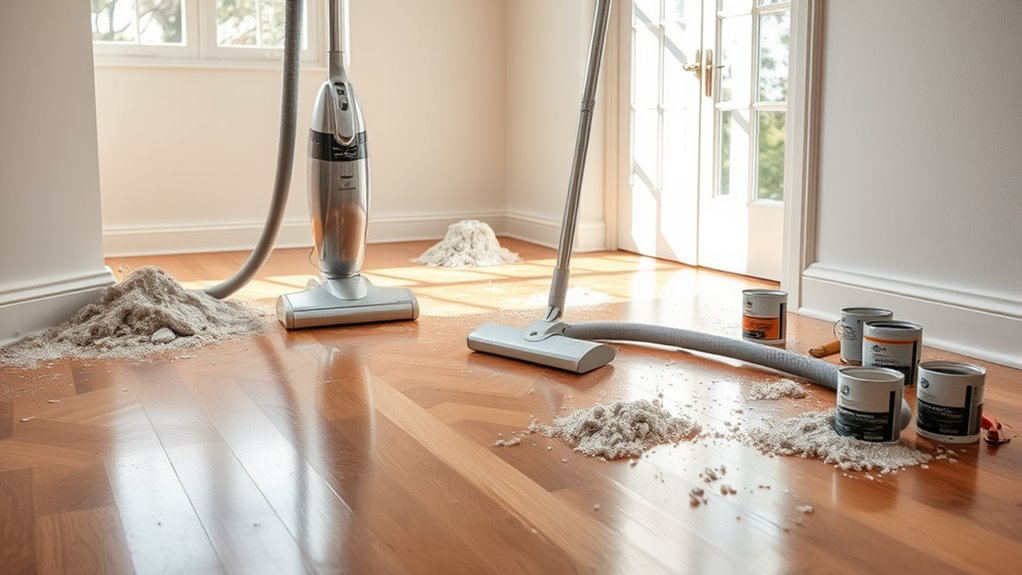
After you’ve finished renovations or construction, the last thing you want is to deal with a mess of dust and debris. The excitement of a new space can quickly fade when you realize just how much cleaning is left to do. Fortunately, tackling the aftermath doesn’t have to be overwhelming. With the right approach, you can restore your home to its pre-renovation glory in no time.
First things first, grab your vacuum. A high-quality vacuum cleaner is essential for effective dust removal. Standard vacuums might not cut it, especially after a major renovation. Opt for a vacuum specifically designed for construction clean-up, as these often come equipped with powerful suction and specialized filters capable of capturing fine dust particles. This equipment is vital for making sure that the air quality in your home remains safe and healthy.
Before you start vacuuming, take a moment for equipment maintenance. Make sure your vacuum’s filter is clean and in good working condition. If you haven’t replaced the bag in a while, now’s the time to do so. A clogged filter or a full bag will hinder your vacuum’s performance, leaving dust behind instead of sucking it up. Maintaining your equipment is just as important as the cleaning itself; it guarantees you get the best results possible.
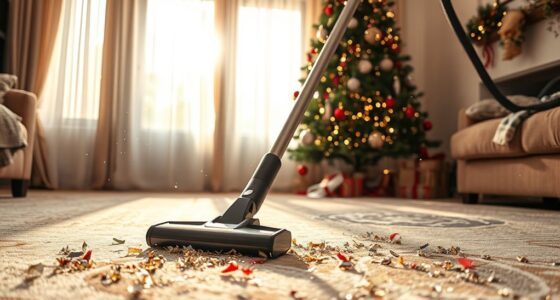
As you begin vacuuming, start from the highest point in the room and work your way down. Dust and debris tend to settle onto lower surfaces, so if you start at the floor, you’ll just end up redistributing dust to higher areas. Vacuum the walls, ceilings, and any other surfaces where dust may have settled during construction. Don’t forget to pay attention to corners and crevices, as dust likes to hide there.
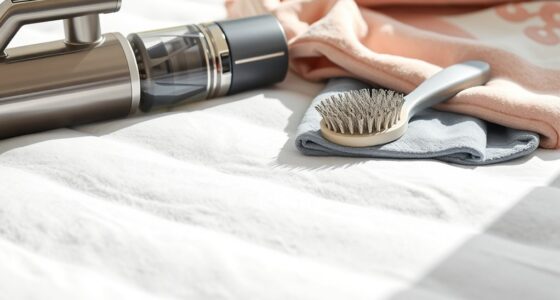
Once you’ve vacuumed the obvious surfaces, take a look at your furniture and fixtures. Upholstered furniture can trap dust, so consider using an upholstery attachment to give those surfaces a thorough clean. For hard surfaces, a damp cloth can help capture any remaining dust that the vacuum may have missed. Additionally, consider using high-quality vacuums that are specifically designed for construction clean-up to ensure you’re effectively capturing fine dust particles.
Finally, after you’ve finished vacuuming and wiping down surfaces, consider running an air purifier to catch any lingering particles. This extra step will help make sure that your space is not only clean but also safe to inhabit once again. With a little effort, you can transform your newly renovated space into a dust-free haven.

Stanley – SL18116P Wet/Dry Vacuum, 6 Gallon, 4 Horsepower Black
❤【LARGER CAPACITY】Stanley SL18116P Wet / Dry Vacuum has a larger capacity over 22 L, makes small clean-up jobs…
As an affiliate, we earn on qualifying purchases.
As an affiliate, we earn on qualifying purchases.
Frequently Asked Questions
How Often Should I Vacuum After Renovations?
You should vacuum daily for the first week after renovations to effectively manage dust mitigation. After that, adjust your cleaning schedules to vacuum at least twice a week. Keeping up with regular cleaning helps prevent dust from settling and accumulating. Don’t forget to use a vacuum with a HEPA filter to trap fine particles. Staying consistent with your cleaning routine guarantees a healthier environment and keeps your space looking fresh and clean.
Can I Use a Regular Vacuum for Construction Debris?
Using a regular vacuum for construction debris is like trying to catch a hurricane with a butterfly net. It just won’t work! Regular vacuums have limitations when it comes to heavy particles like drywall dust and wood shavings. They can quickly clog and even suffer damage. Instead, you should invest in a shop vacuum or a specialized model designed to handle the tough stuff. Your home—and your vacuum—will thank you for it!
What Type of Vacuum Is Best for Post-Construction Cleaning?
For post-construction cleaning, you’ll want to use industrial vacuums equipped with HEPA filters. These vacuums effectively handle dust, debris, and fine particles that regular vacuums can’t manage. HEPA filters trap allergens and guarantee cleaner air, making them essential for maintaining a healthy environment after renovations. When selecting a vacuum, prioritize durability and suction power to tackle the heavy-duty mess left behind. Investing in the right equipment saves you time and effort.
Is It Safe to Vacuum up Fine Dust Particles?
Daring to deal with delicate dust? It’s vital to take dust particle concerns seriously when vacuuming. While many vacuums can handle fine dust, you should take vacuum safety precautions seriously. Make sure your vacuum’s filter is designed for fine particles, and wear a mask to protect your lungs. If the dust is excessive, think about using a HEPA vacuum, which can trap tiny particles effectively. Keep your space safe and clean!
Should I Wear a Mask While Vacuuming After Renovations?
Yes, you should definitely wear a mask while vacuuming after renovations. It’s essential for respiratory protection, especially with fine dust particles in the air. Dust mask recommendations often suggest using a N95 respirator or a similar mask to filter out harmful particles. This simple step can help you breathe easier and reduce your exposure to irritants. So, grab your mask before you start vacuuming to keep yourself safe and healthy!

FEPPO Mattress Vacuum Cleaner, 16Kpa Bed Vacuum Cleaner with 253.7nm UV-C Light, 140°F Heat, HEPA Filter & Ultrasonic, Versatile Handheld Vacuums for Bed, Sofa, Couch, Crib(Corded, 500W)
【High-Efficiency Deep Cleaning】Our UV mattress vacuum cleaner features a powerful 500W motor, providing 16kPa of strong suction and…
As an affiliate, we earn on qualifying purchases.
As an affiliate, we earn on qualifying purchases.
Conclusion
In the end, vacuuming after renovations and construction isn’t just about cleanliness; it’s about creating a safe, welcoming space. Remember, “a clean home is a happy home.” By diligently removing dust and debris, you’re not only enhancing your environment but also protecting your health. So grab that vacuum and tackle the mess—your efforts will pay off in comfort and peace of mind. You’ve worked hard on your home; now let it shine!

ilovelife Replacement Upholstery Tool Attachment Compatible with Shark Navigator NV350, NV352, NV355, NV356E Lift-Away Vacuum Cleaner
【Wide Compatibility】Compatible with Shark Navigator Lift-Away vacuum cleaner models NV350, NV352, NV355, NV356E. Compare to part #261FFJ46.
As an affiliate, we earn on qualifying purchases.
As an affiliate, we earn on qualifying purchases.

Air Purifiers for Home Large Room 2200 Ft² with Washable Filters, MOOKA H13 HEPA Air Purifier for Home Pets Bedroom with Fragrance, Air Cleaner for Smoke Dust Pollen Pets Hair Odor, KJ190 White
HIGHER AIR INTAKE & LARGER COVERAGE FOR PET LOVERS: this air purifier for home pets is designed with…
As an affiliate, we earn on qualifying purchases.
As an affiliate, we earn on qualifying purchases.