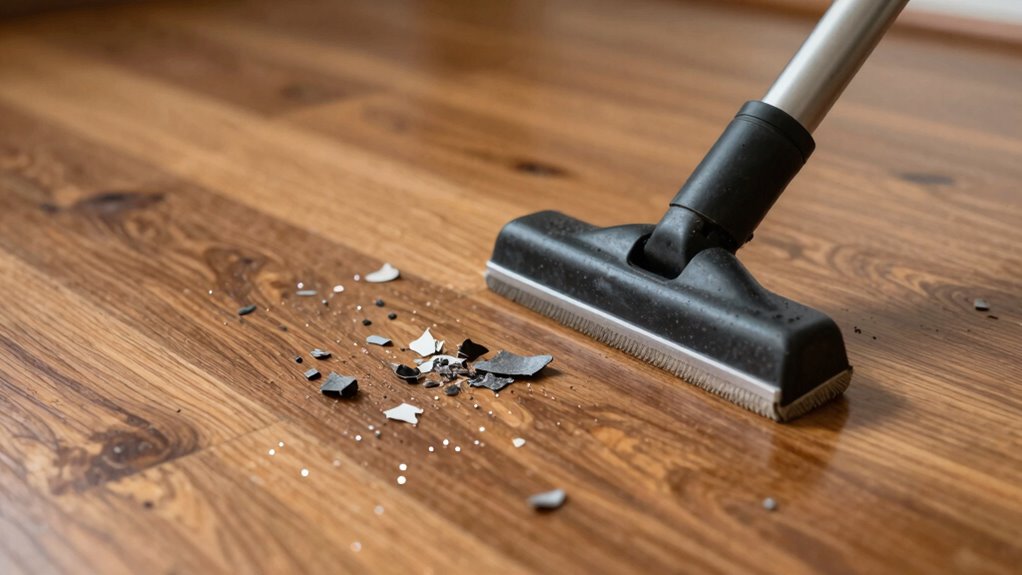
You need different pickup techniques for hard floors because their smooth surface is vulnerable to scratches, dulling, and damage from improper cleaning tools or excessive force. Using soft-bristled brooms or microfiber dust mops helps lift debris gently, while damp mopping with mild solutions prevents moisture-related harm. These careful methods protect the floor’s finish and prolong its life. Keep going to discover how to keep your hard floors looking their best with the right techniques.

Get cleaning gear delivered free — and shop member deals
- Fast, free delivery on millions of items
- Access to Prime Big Deal Days deals on October 6–7
- Prime Video, Amazon Music and more included
Key Takeaways
- Hard floors are prone to scratches and damage from abrasive debris, requiring gentle pickup methods.
- Using soft tools prevents scratching and preserves the floor’s finish during debris removal.
- Proper techniques reduce dust becoming airborne or settling into cracks, maintaining cleanliness.
- Moisture-sensitive floors need careful damp mopping to avoid damage from excess water.
- Correct debris pickup prolongs the floor’s lifespan by preventing surface dulling and surface deterioration.
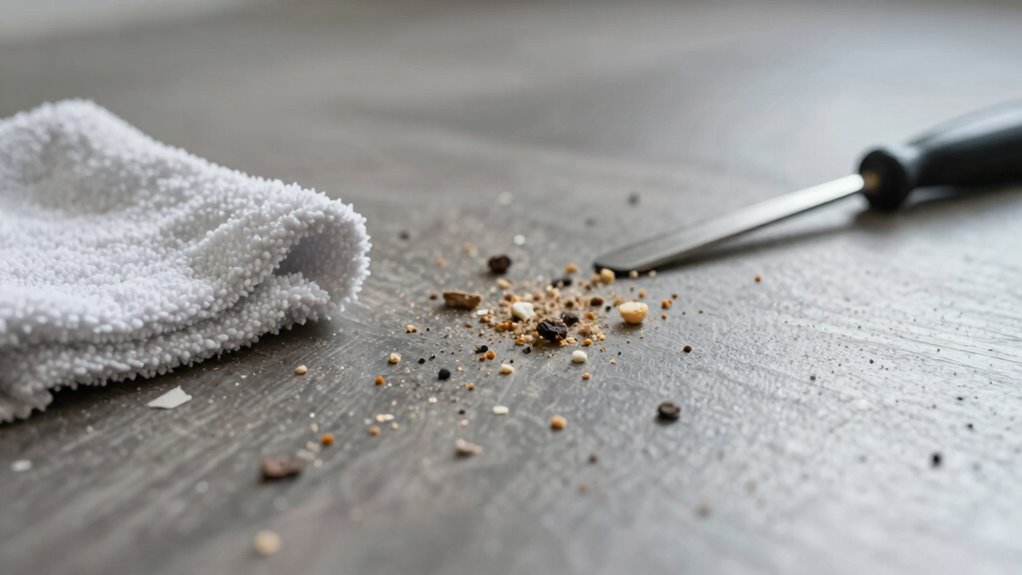
Ever wondered how to efficiently pick up debris from hard floors? The secret lies in understanding that these surfaces require specialized techniques to keep them pristine without causing damage. Unlike carpets, hard floors are smooth and susceptible to scratches or dulling if you’re not careful. That’s why gentle sweeping is essential; it guarantees you lift debris without applying excessive pressure that might scratch or scatter dust further. Using a soft-bristled broom or a microfiber dust mop allows you to sweep gently, moving dust and small particles along the surface with minimal force. This approach helps prevent debris from becoming airborne or settling into cracks, which can be difficult to remove later. Additionally, understanding the sensitivity of hard floors to moisture helps prevent damage during cleaning. It’s also important to recognize that proper cleaning techniques play a crucial role in maintaining the floor’s appearance and longevity. Incorporating appropriate cleaning tools suited for hard floors can further enhance the cleaning process. For example, selecting tools with non-abrasive materials ensures you do not inadvertently scratch or dull the surface. Using correct cleaning methods like damp mopping with a mild solution is essential for preserving the floor’s finish. This allows you to clean effectively without compromising the floor’s integrity. Remember, consistent and gentle sweeping combined with proper debris sorting not only keeps your floors looking their best but also prolongs their lifespan.
microfiber dust mop for hard floors
As an affiliate, we earn on qualifying purchases.
As an affiliate, we earn on qualifying purchases.
Frequently Asked Questions
How Often Should I Change My Hard Floor Debris Removal Tools?
You should change your hard floor debris removal tools when you notice a decline in tool durability or increased debris accumulation. Typically, this means inspecting brushes, bails, and sweepers every few months, especially with frequent use. Regular replacement guarantees effective debris pickup, prevents damage to your floors, and maintains peak cleaning performance. Don’t wait until tools are visibly worn; proactive changes keep your cleaning routine effective and hassle-free.
Can Debris Damage My Hard Floor During Cleaning?
Yes, debris can damage your hard floor during cleaning. Debris scratching the surface can cause visible marks, and debris scattering might lead to further scratches or dents if not properly managed. To prevent this, use the right tools and techniques, ensuring debris is lifted carefully. Neglecting this risk means your floor could suffer lasting damage, making it essential to handle debris with caution during every cleaning session.
Are Certain Debris Types More Difficult to Pick up Than Others?
Certain debris types are more difficult to pick up due to debris classification and cleaning challenges. Larger, heavier particles like gravel or dried mud can be tough because they require more force and specific techniques. Fine dust or sticky substances can cling to surfaces, making them hard to remove with standard methods. You need to adjust your approach based on debris classification to guarantee effective cleaning without damaging the hard floor.
Do Different Floor Materials Require Specific Debris Removal Methods?
Yes, different floor surfaces require specific debris removal methods due to variations in debris adhesion. For example, smooth hard floors like tile or laminate make debris easier to sweep or vacuum, while textured or porous surfaces like concrete or stone might trap debris more firmly. You need to adapt your approach—using suitable tools or cleaning techniques—to effectively clear debris without damaging the floor or leaving residues.
What Safety Precautions Should I Take When Cleaning Hard Floors?
When cleaning hard floors, prioritize cleaning safety by wearing gloves and using the right cleaning tools to prevent injury from debris hazards. Always clear the area of loose objects to avoid slips or trips, and use caution with wet surfaces to prevent falls. Make certain of proper ventilation, especially when using cleaning chemicals. Regularly inspect your equipment for damage and handle sharp debris carefully. These precautions keep you safe and ensure effective cleaning.
Conclusion
Remember, you can’t fit a square peg in a round hole. Different debris requires different pickup techniques to keep your hard floors spotless. By adjusting your approach based on the type of debris, you guarantee a thorough clean every time. Whether it’s dust, crumbs, or stubborn dirt, using the right method saves you time and effort. Stay adaptable, and your floors will always shine—because a job well done starts with the right technique.
Fall Picks
fall essentials
As an affiliate, we earn on qualifying purchases.