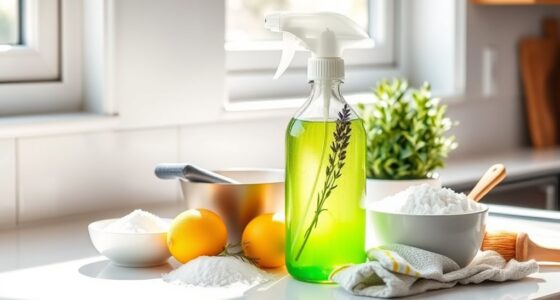
To use your vacuum as part of a healthy home plan, vacuum regularly with proper techniques, moving slowly and overlapping passes to pick up embedded dirt and allergens. Adjust the height for different surfaces and use attachments for hard-to-reach spots. Keep filters, especially HEPA filters, clean or replace to prevent recirculating dust and particles. Maintaining your vacuum’s components also boosts efficiency. Continuing will show you how these practices support better indoor air quality and overall health.
Get ready for Prime Big Deal Days — try Prime free
Exclusive member deals on October 6–7, plus fast free delivery. Cancel anytime.
As an affiliate, we earn on qualifying purchases.
Key Takeaways
- Use proper cleaning techniques, moving slowly and overlapping for thorough dirt removal.
- Vacuum frequently, especially in homes with pets or allergy sufferers, to prevent allergen buildup.
- Regularly maintain and replace filters, including HEPA filters, to ensure optimal air quality.
- Incorporate vacuuming with other cleaning habits like dusting with damp cloths and washing bedding.
- Select vacuums with advanced filters and use attachments for tight spaces to maximize cleaning effectiveness.
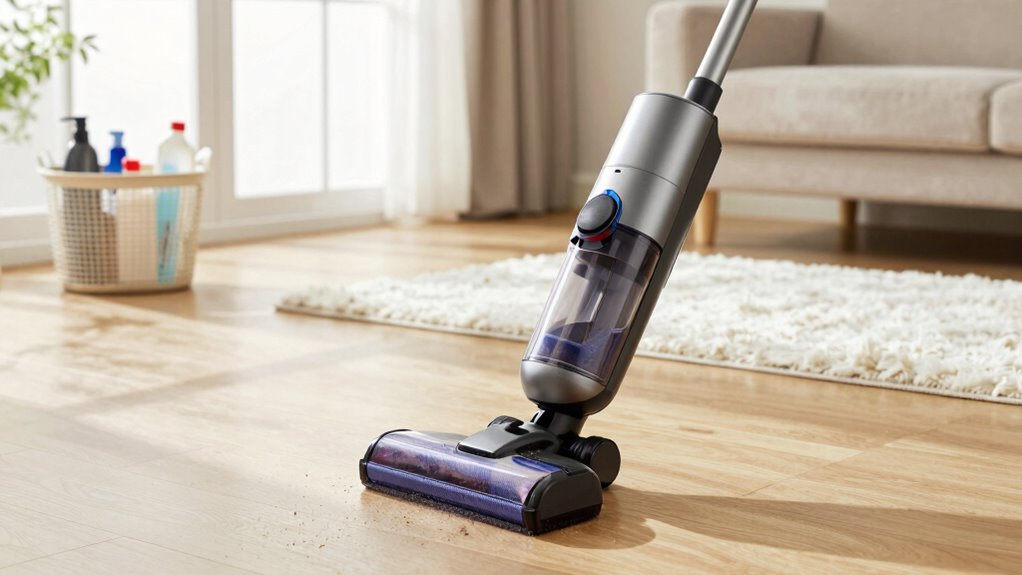
Have you ever wondered how to get the most out of your vacuum cleaner? It’s not just about turning it on and hoping for the best. Proper use of your vacuum plays a vital role in improving your home’s air quality and supporting a healthy environment overall. To do that effectively, you need to understand the right cleaning techniques and how to maintain your vacuum properly. When used correctly, your vacuum can considerably reduce dust, allergens, and other airborne particles that impact air quality, making your home a safer, healthier place to live.
First, focus on your cleaning techniques. Move your vacuum slowly and methodically across surfaces, especially carpets and rugs, to ensure thorough dirt removal. Overlapping your passes prevents missed spots and helps lift embedded dirt from deep within fibers. Don’t forget to adjust the vacuum height settings to match the surface you’re cleaning—too high, and debris might stay hidden; too low, and you could damage your flooring or reduce suction. Use the attachments for tight corners, upholstery, or beneath furniture to eliminate hidden dust and pet hair. Regularly empty the dustbin or replace the vacuum bag to maintain maximum suction power. A full bin or bag reduces airflow and can release particles back into the air, undermining your efforts to improve air quality.
Another key aspect is the frequency of vacuuming. Consistent cleaning prevents the buildup of allergens and irritants that can compromise air quality. For homes with pets or allergy sufferers, more frequent vacuuming is essential. It’s also wise to inspect and replace filters regularly, especially HEPA filters if your vacuum has one. These filters trap tiny particles and allergens, preventing them from recirculating into the air. Proper maintenance of your vacuum ensures it functions efficiently and contributes to a healthier indoor environment. Additionally, using vacuums with specialized filters can further enhance their ability to capture microscopic airborne particles. Regularly cleaning or replacing filters is an important part of vacuum maintenance that directly impacts air quality. Maintaining your vacuum’s filter system is crucial for optimal performance and air quality. Incorporating proper vacuuming techniques and understanding your equipment’s features can significantly improve your indoor air quality and overall health.
A clean filter system not only improves suction but also prevents the release of dust and allergens back into the air, enhancing the benefits of your cleaning routine. Incorporating effective cleaning techniques with routine maintenance transforms your vacuum into a powerful tool for supporting a whole healthy home plan. Beyond the vacuum, consider your overall cleaning habits—dust surfaces with a damp cloth, wash bedding frequently, and control humidity levels to prevent mold growth. When your vacuum is used correctly, it enhances your efforts to create a cleaner, safer environment, reducing airborne irritants and promoting better air quality for everyone in your household. So, take the time to learn and practice these techniques, and enjoy a healthier, fresher home.
As an affiliate, we earn on qualifying purchases.
Frequently Asked Questions
Can Vacuums Eliminate All Indoor Allergens Effectively?
Vacuums can’t eliminate all indoor allergens completely, but they play an essential role in allergen control through air purification. Using a high-efficiency vacuum with a HEPA filter helps trap dust, pet dander, and pollen effectively. Regular vacuuming reduces allergen buildup, improving air quality. Remember, combining vacuuming with other air purification methods, like air purifiers, creates a healthier environment and minimizes allergen exposure in your home.
How Often Should I Replace Vacuum Filters?
Think of replacing vacuum filters as giving your home a fresh breath of air. You should change them every 3 to 6 months to keep your vacuum performing its best, especially if you integrate it with air purifiers or do regular carpet deep cleaning. Regular filter replacements help trap allergens, dust, and pet dander more effectively, ensuring your indoor air stays clean and healthy. Don’t wait too long—your home will thank you.
Are Cordless Vacuums as Effective as Corded Ones?
Cordless vacuums can be quite effective, especially with their cordless convenience, allowing you to move freely without being tethered to an outlet. However, their power comparison to corded vacuums varies; some models offer comparable suction, while others may lack the same strength for deep cleaning. For quick tidying or light tasks, cordless vacuums work well, but for heavy-duty cleaning, corded models often provide more consistent power.
What’s the Best Vacuum for Pet Hair Removal?
The best vacuum for pet hair removal combines strong suction with specialized attachments like a motorized brush or pet hair tool. Look for models designed for pet hair, which are effective at lifting fur from carpets and upholstery. Regular vacuum maintenance, like cleaning filters and brushes, guarantees peak performance. This way, you keep your home free of pet hair and maintain your vacuum’s efficiency, making pet hair cleanup quick and effortless.
How Do I Maintain My Vacuum for Optimal Performance?
To maintain your vacuum for peak performance, regularly check and empty the dustbin or replace bags, and clean or replace filters. Store it properly in a dry, accessible place to prevent damage and guarantee quick access. Stick to consistent cleaning schedules, including brush roll and filter maintenance, to keep it running smoothly. Proper vacuum storage and routine upkeep help extend its lifespan and improve cleaning efficiency.
Conclusion
Using a vacuum as part of your healthy home plan is like tending a garden—you need to stay consistent and attentive. Regular vacuuming removes dust, allergens, and pet dander, creating a cleaner, safer environment for you and your family. Think of your vacuum as a trusted tool, quietly working behind the scenes to keep your home fresh and healthy. Make it a habit, and watch your space transform into a sanctuary as vibrant as a blooming garden in spring.
Fall yard work Picks
leaf blowers
As an affiliate, we earn on qualifying purchases.