HEPA and ULPA filters differ markedly in efficiency and application. HEPA filters capture at least 99.97% of particles 0.3 microns and are great for home use, tackling dust and pollen. On the other hand, ULPA filters boast a 99.999% capture rate for particles 0.12 microns and are ideal for hospitals and laboratories needing strict cleanliness. Your choice will depend on your specific air purity needs and environment. There’s more to contemplate when choosing the right filter for you.

Get cleaning gear delivered free — and shop member deals
- Fast, free delivery on millions of items
- Access to Prime Big Deal Days deals on October 6–7
- Prime Video, Amazon Music and more included
Key Takeaways
- HEPA filters capture 99.97% of particles down to 0.3 microns, while ULPA filters capture 99.999% of particles 0.12 microns and larger.
- HEPA filters are suitable for residential use, while ULPA filters are designed for specialized environments like hospitals and cleanrooms.
- HEPA filters effectively manage allergens and common airborne pollutants, while ULPA filters target tiny particles that pose significant health risks.
- ULPA filters may restrict airflow more than HEPA filters, affecting system performance and maintenance requirements.
- HEPA filters typically require replacement every 6 to 12 months, while ULPA filters may last longer but need careful handling.

When choosing air filters for your home or workplace, understanding the differences between HEPA and ULPA filters can be essential. Both are designed to improve air purification, but they serve different purposes based on their filter efficiency and the specific needs of your environment. If you want clean air, knowing what each filter offers can help you make an informed choice.
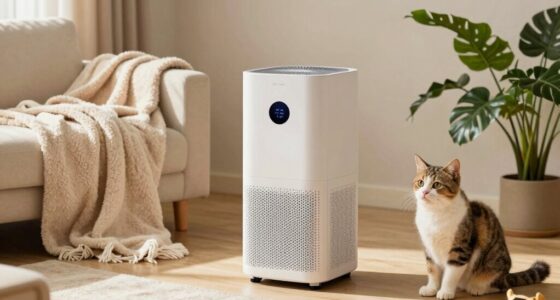
HEPA (High-Efficiency Particulate Air) filters are designed to trap a minimum of 99.97% of airborne particles that are 0.3 microns in size. This includes dust, pollen, mold spores, and pet dander. If you’re dealing with allergies or respiratory issues, HEPA filters can significantly improve your indoor air quality. They’re commonly found in residential air purifiers, vacuum cleaners, and HVAC systems. Their efficiency makes them a popular choice for everyday use, ensuring that the air you breathe is as clean as possible.
On the other hand, ULPA (Ultra-Low Penetration Air) filters take things a step further. They can capture at least 99.999% of particles that are 0.12 microns or larger. This makes them ideal for environments that require extremely clean air, such as hospitals, cleanrooms, and laboratories. If you’re in an industry where even the smallest particles can cause contamination or health risks, ULPA filters are your best option. However, keep in mind that their higher efficiency also means they can restrict airflow more than HEPA filters, which might not be suitable for every situation.
When contemplating air purification for your space, think about what you need based on your unique circumstances. If you’re in a residential setting where allergens are your main concern, a HEPA filter may suffice. But if you’re in a specialized field that demands the highest level of cleanliness, investing in ULPA filters is vital. Furthermore, the bond between air quality and health cannot be overstated, as clean air is essential for overall well-being.
Additionally, remember that filter efficiency isn’t the only factor to consider. The maintenance and replacement frequency of these filters also play a role in your decision. HEPA filters usually need replacing every 6 to 12 months, while ULPA filters can last longer but may require more careful handling due to their delicate nature.
In the end, weighing the pros and cons of HEPA versus ULPA filters will help you create a healthier environment, ensuring that the air you breathe is as pure as possible.
HEPA air purifier filter replacement
As an affiliate, we earn on qualifying purchases.
As an affiliate, we earn on qualifying purchases.
Frequently Asked Questions
Can HEPA Filters Be Washed and Reused?
You can’t wash and reuse HEPA filters; they’re designed for one-time use. For effective filter maintenance, it’s best to replace them regularly. While some filters are washable, HEPA filters aren’t among them. If you’re looking for a filter you can clean, consider options specifically marketed as washable filters. Always check the manufacturer’s guidelines to guarantee you’re maintaining peak air quality and extending the life of your filtration system.
How Long Do HEPA and ULPA Filters Last?
HEPA filters typically last around 1 to 3 years, while ULPA filters can last up to 5 years, depending on usage and environment. To maintain ideal performance, you should check the filter lifespan regularly and replace them based on your specific needs. If you notice a drop in air quality, it might be time for a replacement. Staying on top of replacement frequency ensures your space remains clean and healthy.
Are HEPA and ULPA Filters Safe for Pets?
Yes, HEPA and ULPA filters are safe for pets. Imagine your furry friend breathing in fresh, clean air, free from allergens—this is what these filters provide. They capture tiny particles, enhancing air quality and offering allergy relief for both you and your pets. With these filters in place, you can create a healthier environment, ensuring your pet enjoys a safe space while you both breathe easy. It’s a win-win for everyone!
Where Can I Buy HEPA or ULPA Filters?
You can buy HEPA or ULPA filters at home improvement stores, online retailers, or directly from manufacturers. Make certain to verify the air purifier compatibility to confirm the filter fits your device. Look for filters that meet filter certification standards, which guarantee their efficiency in trapping particles. Websites like Amazon or specialized air quality retailers often have a wide selection, so you’ll likely find exactly what you need for your air purification system.
Do HEPA and ULPA Filters Remove Odors?
While they work wonders for air filtration, HEPA and ULPA filters aren’t designed for odor removal. Think of them as the vigilant knights of clean air, battling dust and allergens, but leaving the pesky odors to other warriors. If you’re dealing with unwanted smells, you might want to contemplate activated carbon filters, as they specialize in trapping odors. So, for the freshest air, combine these filters for effective odor control.
Conclusion
In summary, while both HEPA and ULPA filters excel at trapping airborne particles, they serve different needs. HEPA filters capture 99.97% of particles down to 0.3 microns, making them ideal for home use. On the other hand, ULPA filters go a step further, capturing 99.999% of even smaller particles, perfect for cleanrooms and sensitive environments. Therefore, when choosing a filter, consider your specific requirements—whether it’s for everyday air quality or stringent filtration standards.
Fall Picks
fall essentials
As an affiliate, we earn on qualifying purchases.