
HEPA vacuum technology works by capturing tiny airborne particles like pollen, pet dander, and dust mites, using a specialized multi-layer filtration system. It traps at least 99.97% of particles as small as 0.3 microns, preventing them from being released back into your indoor air. To guarantee you’re getting the best, look for certified HEPA filters and maintain your vacuum regularly. Keep going to discover how to choose the right model for your needs and maximize its benefits.
Key Takeaways
- HEPA vacuums use multi-layer filters to trap 99.97% of particles as small as 0.3 microns, improving indoor air quality.
- Look for certified HEPA models to ensure they meet strict filtration standards and effectively remove allergens and pollutants.
- Regularly replace filters and empty the dust canister to maintain optimal filtration performance and prevent dust recirculation.
- Strong suction power and high-quality filters enhance dust and allergen removal, promoting healthier indoor environments.
- Proper maintenance and informed selection of HEPA vacuums contribute to cleaner air, allergy relief, and overall healthier living spaces.

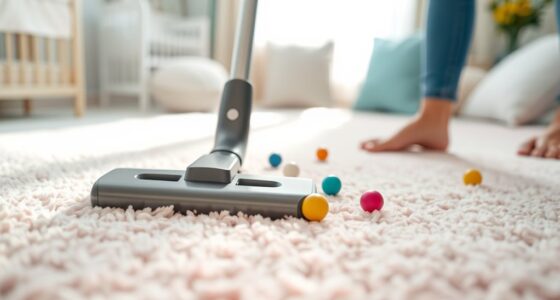
HEPA vacuum technology is a highly effective cleaning solution designed to remove microscopic particles from indoor environments. When you use a HEPA vacuum, you’re harnessing advanced air filtration capabilities to trap tiny pollutants that traditional vacuums often miss. This technology is especially valuable if you’re concerned about allergens, dust mites, pet dander, or airborne pollutants that can worsen respiratory issues or trigger allergies. The core of HEPA vacuum effectiveness lies in its ability to deliver superior dust removal, ensuring that the air circulating in your home is cleaner and healthier.
HEPA vacuums trap microscopic pollutants, promoting cleaner, healthier indoor air.
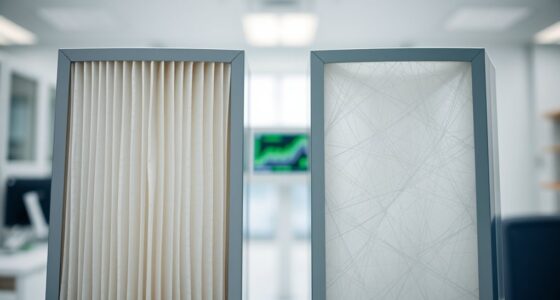
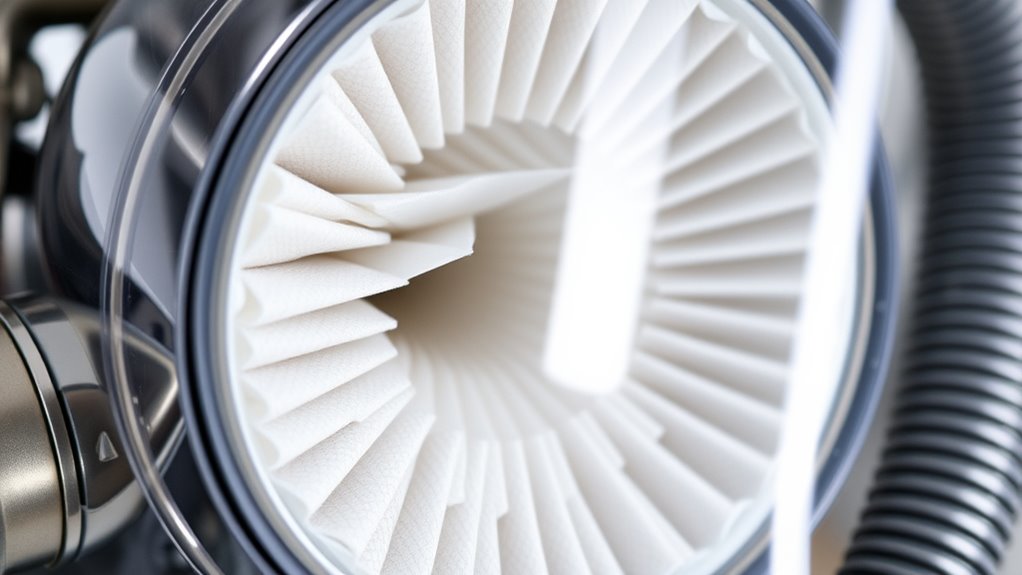
As you operate a HEPA vacuum, you’re actively engaging in air filtration that markedly reduces indoor air pollution. Unlike standard vacuums, which may just move dust around or release particles back into the air, HEPA vacuums are designed with a multi-layer filtration system. This system captures at least 99.97% of particles as small as 0.3 microns, including pollen, mold spores, pet dander, and fine dust. By doing so, it prevents these tiny particles from being released into the environment, helping you breathe easier and reducing the buildup of dust on surfaces. Regular maintenance, such as replacing filters and emptying the dust canister, is crucial to maintain this high level of filtration efficiency over time.
When choosing a HEPA vacuum, pay close attention to its filtration system. Not all vacuums labeled as “HEPA” meet the same standards, so look for models certified to meet the HEPA filtration criteria. This certification ensures the vacuum has been tested and verified to trap the incredibly small particles that can cause health problems. Additionally, consider the vacuum’s suction power and capacity for dust collection. A strong suction combined with a high-quality filter means more efficient dust removal and longer-lasting filtration performance.
Maintenance is vital to keep your HEPA vacuum functioning at its best. Regularly replace filters and empty the dust canister or bag to prevent clogging, which can compromise air filtration efficiency. Proper maintenance not only prolongs the life of your vacuum but also guarantees that dust and allergens don’t escape back into your indoor air. This ongoing care is essential because overused or poorly maintained filters can become a source of dust recirculation rather than removal. Incorporating air filtration technology ensures optimal performance and health benefits from your HEPA vacuum.
Ultimately, investing in a HEPA vacuum means you’re prioritizing a cleaner, healthier living space. You’re actively removing dust and airborne particles that can impact your health, especially if you suffer from allergies or asthma. By understanding how HEPA technology works and what features to look for, you can make an informed choice that enhances your indoor air quality and creates a safer environment for you and your loved ones.
Frequently Asked Questions
Can HEPA Vacuums Eliminate All Types of Bacteria and Viruses?
HEPA vacuums can markedly improve bacteria removal and virus elimination, but they can’t eliminate all types of bacteria and viruses. While they trap most airborne particles and many pathogens, some tiny viruses and bacteria may still pass through the filter. For thorough sanitation, combine HEPA vacuuming with other cleaning methods like disinfectants. Remember, regular maintenance guarantees your vacuum performs at its best for better bacteria removal and virus elimination.
How Often Should HEPA Filters Be Replaced for Optimal Performance?
You should replace HEPA filters every 6 to 12 months for peak performance, depending on usage and environment. Check the filter’s lifespan regularly, especially if you notice reduced suction or odors. Following the manufacturer’s recommended replacement intervals ensures your vacuum maintains its filtration efficiency. If you use it heavily or in a dusty environment, consider replacing filters more frequently to keep your space clean and healthy.
Are HEPA Vacuums Suitable for All Allergy Sensitivities?
Think of a HEPA vacuum as a diligent guardian, capturing tiny allergens that slip past ordinary filters. For allergy relief, it’s generally suitable, but check its filter effectiveness to guarantee it traps even the smallest particles. If you’re highly sensitive, opt for models with certified HEPA filters and regularly replace them. This way, your vacuum acts like a faithful protector, keeping allergens at bay and providing cleaner, healthier air.
What Maintenance Is Required to Ensure HEPA Filtration Efficiency?
To keep your HEPA vacuum’s filtration efficient, you need to regularly inspect the filter for dirt buildup and damage. Check the seal integrity to make certain no air bypasses the filter, reducing its effectiveness. Replace the filter as recommended by the manufacturer, usually every 6 to 12 months, and clean or replace the vacuum’s seals if they become loose or worn. Proper maintenance guarantees maximum allergen removal.
Do HEPA Vacuums Emit Any Harmful Emissions During Use?
Imagine a gentle breeze carrying away dust—HEPA vacuums don’t emit harmful emissions during use. Their emission safety is high because proper filter maintenance prevents filter degradation, which could release trapped particles. Regularly checking and replacing filters guarantees you don’t breathe in any unwelcome particles. So, with diligent upkeep, your vacuum works safely, keeping your environment clean without risking exposure to harmful emissions.
Conclusion
Remember, a good HEPA vacuum is your best defense against allergens and dust. By choosing a model with proper filters and maintenance, you’re investing in healthier air. Don’t forget, “A stitch in time saves nine”—regularly caring for your vacuum keeps it running efficiently, saving you time and money. When you prioritize quality and upkeep, you create a cleaner, safer home environment. Trust in the technology, and enjoy the peace of mind it brings.