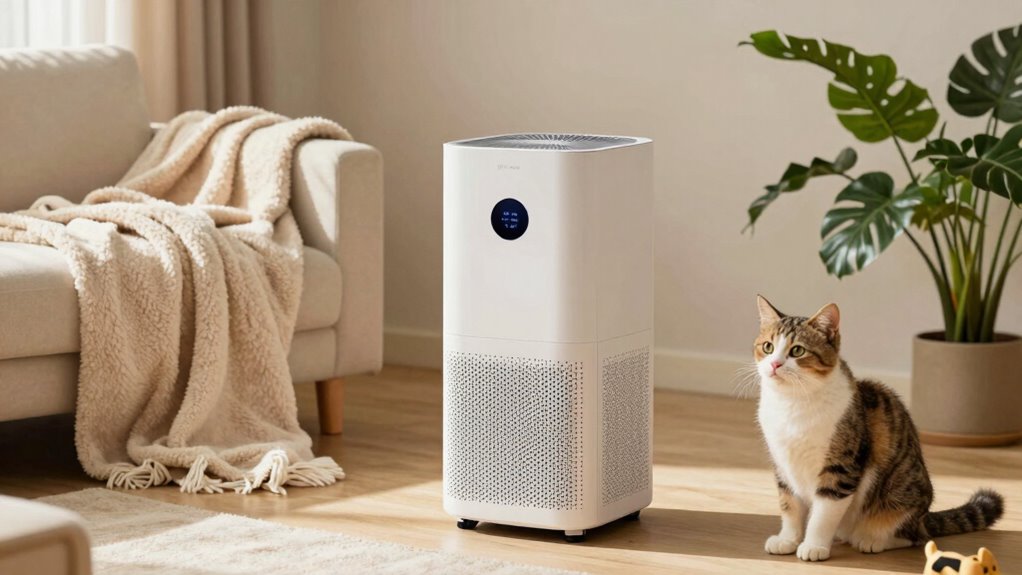
Better filtration is essential in pet homes because it traps tiny particles like pet dander, dust, and pollen, which helps improve air quality. It also neutralizes odors from pets and accidents, keeping your space fresh and inviting. Plus, it reduces allergens, mold, and bacteria, making it safer for everyone, especially kids and the elderly. With improved filtration, your home stays cleaner and healthier over time. Keep exploring to discover how upgrading your system can make a real difference.
Key Takeaways
- Enhances air quality by trapping pet dander, dust, and pollen, reducing allergens and respiratory issues.
- Neutralizes pet odors with activated carbon filters, keeping indoor spaces fresh.
- Removes bacteria, mold, and airborne irritants, promoting a healthier environment for all family members.
- Reduces surface buildup of fur and dander, decreasing deep cleaning efforts and maintaining cleanliness.
- Supports the longevity of home systems and creates a safer, more comfortable space for pets and humans.
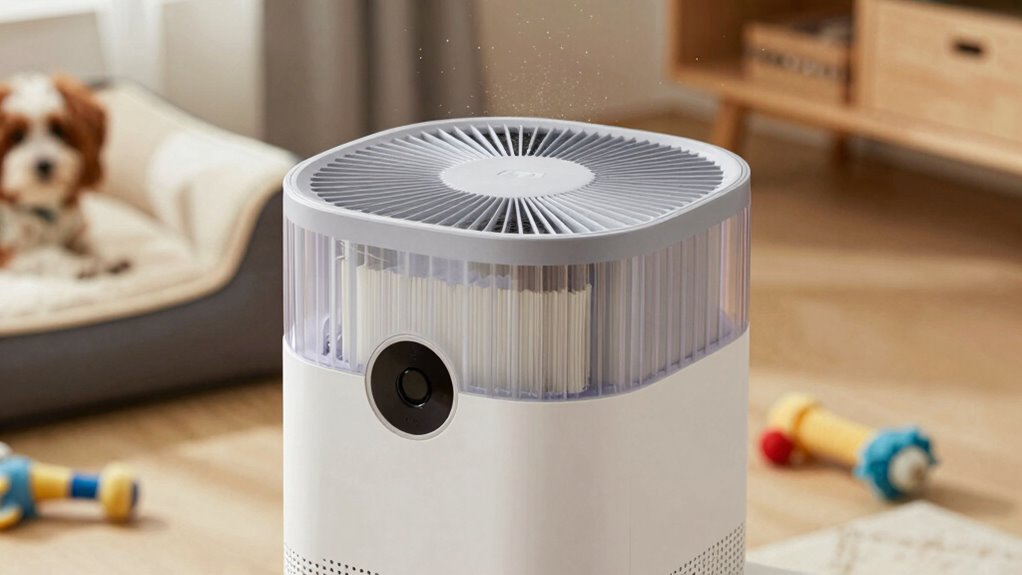
Have you ever wondered how to keep the air in your pet’s home fresh and healthy? The answer lies in better filtration. When you focus on filtration, you’re actively improving air quality and odor control, which are vital for your pet’s well-being and your comfort. Pets bring joy, but they also bring dander, fur, and odors that can quickly accumulate. Without proper filtration, these elements can linger in the air, leading to an environment that’s not only unpleasant but potentially harmful. A high-quality filtration system traps tiny particles like pet dander, dust, pollen, and other airborne irritants, reducing the risk of allergies and respiratory issues for both your pet and your family. This means your home stays fresher longer, with cleaner air circulating throughout the space.
Effective filtration keeps pet dander, fur, and odors out of the air, promoting healthier, fresher living spaces for all.
Odor control is another compelling reason to upgrade your filtration. Pets naturally produce odors that can become overwhelming if not managed correctly. Smoke, spilled food, and accidents can all contribute to a persistent smell that’s hard to eliminate with regular cleaning alone. Effective filtration systems, especially those with activated carbon or specialized odor filters, actively neutralize and absorb these odors rather than just masking them. This results in a more inviting environment where you don’t have to constantly air out the space or rely on artificial fragrances, which can sometimes irritate sensitive noses or worsen allergies. Additionally, air circulation plays a crucial role in maintaining a healthy indoor environment by preventing stagnant air pockets that trap pollutants.
Investing in better filtration isn’t just about cleaning the air; it’s about creating a healthier space for everyone. When you improve air quality, you also reduce the buildup of bacteria, mold, and other allergens that thrive in dusty, poorly ventilated areas. These elements can trigger asthma attacks or allergic reactions, especially in young children or elderly family members. With a proper filtration system in place, you’re actively removing these health hazards, making your pet’s home safer and more comfortable. Additionally, using specialized air filters designed for pet environments can further enhance these benefits by targeting specific pollutants.
Moreover, better filtration enhances the longevity of your pet’s environment. Fur and dander settle less on surfaces, meaning less frequent deep cleaning and fewer concerns about lingering smells. You also lessen the strain on your HVAC system since cleaner air means less dust and debris circulating through vents. All these benefits come back to one simple truth: good filtration makes sense because it combines air quality improvement with odor control, giving you a healthier, fresher space for your pet to thrive. It’s an investment that pays off every day in cleaner air and happier, healthier pets and family members.
HEPA air purifier for pet dander
As an affiliate, we earn on qualifying purchases.
As an affiliate, we earn on qualifying purchases.
Frequently Asked Questions
How Often Should I Replace My Pet Home’s Filtration System?
You should replace your pet home’s filtration system every 3 to 6 months to maintain ideal air quality and odor control. Regular replacements prevent buildup of pet dander, hair, and odors, ensuring a fresher environment. If you have multiple pets or notice increased odors or reduced airflow, consider replacing it more frequently. Consistent maintenance keeps your space healthier and more comfortable for both you and your furry friends.
Are Certain Filtration Types Better for Specific Pets?
In the age of dial-up internet, you’d want the best connection—similarly, certain filtration types suit specific pets. For instance, activated carbon filters excel for cats with allergies, while HEPA filters are ideal for small dogs prone to dust allergies. You ought to consider your pet’s needs, focusing on improving air quality and simplifying filter maintenance. Matching filtration types to your pet’s sensitivities ensures a healthier, more comfortable environment.
Can Filtration Improve My Pet’s Allergy Symptoms?
Yes, filtration can improve your pet’s allergy symptoms by reducing airborne allergens like pet dander, pollen, and dust. A high-quality filter captures these particles more effectively, creating cleaner air. Remember, regular filter maintenance is essential to keep it working efficiently. By replacing or cleaning the filter as recommended, you’ll guarantee continuous allergen reduction, helping your pet breathe easier and experience fewer allergy symptoms.
Is Professional Installation Necessary for Pet Home Filters?
Professional installation isn’t always necessary for pet home filters; many units are designed for DIY installation, making setup straightforward. However, if you’re unsure about handling electrical components or want peak performance, hiring a professional can be worthwhile. Consider cost factors—DIY saves money upfront, but a professional ensures proper setup, reducing future issues. Ultimately, choose what aligns best with your skills and budget for a safe, effective filtration system.
How Does Filtration Impact Overall Pet Health?
An ounce of prevention is worth a pound of cure. Better filtration improves your pet’s health by enhancing air quality and removing toxins. When filtration systems work effectively, they reduce airborne allergens, bacteria, and pet dander, decreasing respiratory issues and allergy symptoms. This creates a safer, healthier environment, helping your furry friends breathe easier and stay happier, healthier, and more active. Proper filtration truly makes a difference in your pet’s overall well-being.
Conclusion
Choosing better filtration in your pet’s home isn’t just about cleaner air—it’s about safeguarding their health. Did you know that indoor air can be up to five times more polluted than outdoor air? By upgrading your filtration system, you reduce allergens, pet dander, and pollutants, creating a safer environment. It’s a simple step that makes a huge difference in your pet’s comfort and well-being, giving them a healthier, happier life right in your home.