Air purifiers continuously filter the air, trapping tiny particles like dust, pollen, and viruses with HEPA filters, helping you breathe easier and reducing allergens. Vacuum filters, on the other hand, clean surfaces during cleaning sessions, preventing particles from resuspending into the air later. Both work together to improve indoor air quality—air purifiers for ongoing filtration and vacuum filters for surface cleanup. Keep exploring to discover how combining them offers the best air quality.
Get ready for Prime Big Deal Days — try Prime free
Exclusive member deals on October 6–7, plus fast free delivery. Cancel anytime.
As an affiliate, we earn on qualifying purchases.
Key Takeaways
- Air purifiers provide continuous air filtration, trapping airborne pollutants in real-time, while vacuum filters clean surfaces during cleaning sessions.
- Vacuum filters remove dust and allergens from surfaces, preventing their re-suspension into the air.
- Using both devices together offers comprehensive indoor air quality improvement, with purifiers maintaining steady air cleanliness and vacuums cleaning surfaces.
- Relying solely on vacuuming may not sustain consistent air quality, whereas air purifiers continuously filter airborne particles.
- Combining air purifiers and vacuum filters maximizes allergen reduction, leading to healthier indoor environments.

When it comes to improving indoor air quality, many people wonder whether air purifiers or vacuum filters are more effective. The answer depends on what specific pollutants you’re trying to remove and how each device operates. Air purifiers equipped with HEPA filtration are designed to clean the air in a room continuously. They draw in air, trap tiny particles like dust, pollen, pet dander, and even some bacteria or viruses, then release cleaner air back into the space. This ongoing process helps maintain a healthier environment, especially for allergy sufferers or those with respiratory issues. HEPA filtration is highly effective because it captures particles as small as 0.3 microns with 99.97% efficiency, making it a top choice for improving indoor air quality.
Air purifiers with HEPA filters continuously clean indoor air by trapping tiny particles for healthier environments.
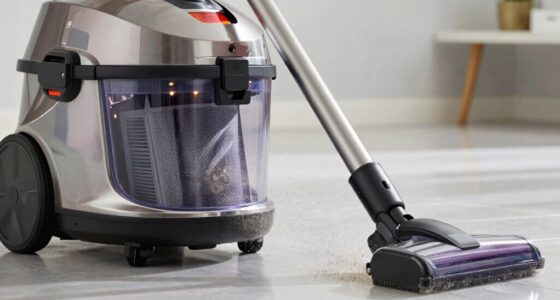
On the other hand, vacuum filters primarily work during cleaning sessions. High-quality vacuum cleaners also use HEPA filters, which trap fine particles from surfaces like carpets, upholstery, and floors. When you vacuum, you remove accumulated dust, pet hair, and allergens from these surfaces, preventing them from becoming airborne again. This removal reduces the overall load of airborne particles, but the process is episodic rather than continuous. If your goal is to constantly have cleaner air, relying solely on vacuuming might fall short, especially if you don’t vacuum frequently enough or if your vacuum’s filters aren’t efficient.
Both devices, however, play complementary roles. Vacuum filters are excellent for removing particles from surfaces, preventing them from becoming airborne later. Air purifiers with HEPA filters, meanwhile, continuously scrub the air, trapping airborne pollutants before they settle on surfaces or are inhaled. If you want the best indoor air quality, using an air purifier throughout the day and vacuuming regularly creates a comprehensive approach. This combination ensures airborne particles are constantly filtered out and surfaces are kept clean, reducing the overall allergen and pollutant load in your environment.
Ultimately, neither is a complete solution on its own. Air purifiers with HEPA filtration help maintain consistent indoor air quality by filtering the air itself. Vacuum filters, especially HEPA-equipped models, are vital for surface cleaning, preventing pollutants from resuspending into the air. When used together, they maximize your indoor air quality, creating a healthier living space. You’ll notice fewer allergy symptoms, clearer breathing, and a cleaner environment overall, making the effort well worth it.
As an affiliate, we earn on qualifying purchases.
Frequently Asked Questions
Do Air Purifiers Remove All Types of Airborne Pollutants?
Air purifiers do not remove all types of airborne pollutants. They are effective against airborne viruses, bacteria, dust, pet dander, and some chemical contamination, especially if equipped with HEPA and activated carbon filters. However, particles like gases or volatile organic compounds (VOCs) may not be fully captured. To improve air quality, combine air purifiers with good ventilation and regular cleaning, but understand they have limitations against certain pollutants.
How Often Should Vacuum Filters Be Replaced?
Think of your vacuum filters as the lungs of your cleaning routine—they need care to keep breathing easy. You should replace filters every 3 to 6 months, depending on usage and manufacturer instructions. Regular filter maintenance is key to peak performance and indoor air quality. Don’t wait until your vacuum coughs; stay ahead with timely replacements, ensuring your home stays fresh, clean, and free of trapped pollutants.
Can Vacuum Filters Eliminate Allergens Effectively?
Vacuum filters can effectively eliminate allergens if they have high HEPA efficiency, capturing tiny particles like pollen and pet dander. To maintain their effectiveness, you need to monitor the filter lifespan and replace filters regularly. A well-maintained vacuum with HEPA filters helps reduce indoor allergens, improving air quality. However, for ideal allergen removal, consider supplementing vacuuming with air purifiers designed specifically for allergen filtration.
Are Air Purifiers Energy-Efficient for Long-Term Use?
Yes, air purifiers are generally energy-efficient for long-term use. They tend to have low energy consumption, especially models with energy-saving modes or adjustable settings. This makes them cost-efficient because you’ll save on electricity bills over time. Plus, their ability to continuously filter air improves indoor air quality without substantially increasing your energy costs. So, investing in an energy-efficient air purifier can be a smart choice for maintaining a healthy home.
Which Device Is Better for Removing Pet Dander?
Like a knight wielding a shield, an air purifier is better for removing pet dander. It actively traps tiny dander particles, preventing them from circulating in the air. Vacuum filters help with pet hair removal on surfaces, but they can’t contain dander as effectively as an air purifier. For cleaner air and fewer allergy symptoms, use an air purifier equipped with a HEPA filter to target dander directly.
Conclusion
So, when it comes to cleaner air, remember that air purifiers and vacuum filters are your ultimate dream team. They work together like a well-oiled machine, battling dust, allergens, and pollutants. Relying on just one is like bringing a knife to a gunfight—ineffective against the chaos. To truly breathe easy, use both. This combo isn’t just effective; it’s like having a superhero squad protecting your home, making air quality so pristine, it’ll blow your mind.
Fall Picks
fall essentials
As an affiliate, we earn on qualifying purchases.