Adjusting the brush-roll height on your vacuum is key for cleaning different carpet thicknesses effectively. For plush or thick carpets, raise the brush-roll setting to penetrate deeper and loosen dirt. For low-pile or berber carpets, lower the setting to avoid damage. Regular maintenance is also essential, as debris can affect performance. Knowing how to adjust your vacuum helps prolong its life and improve cleaning efficiency. There’s more to explore for ideal vacuum performance!
Key Takeaways
- Adjust the brush-roll height based on carpet thickness to ensure optimal cleaning and avoid damage to fibers.
- Use higher settings for plush or thick carpets to enhance dirt and pet hair removal.
- Lower settings are ideal for low-pile or berber carpets to prevent excessive wear and damage.
- Regularly maintain the brush roll by removing hair and debris to maintain suction and performance.
- Familiarize yourself with your vacuum’s height adjustment mechanism for quick and effective changes between carpet types.

When it comes to maintaining your vacuum cleaner’s performance, adjusting the brush-roll height is vital for ideal cleaning results. If your carpet’s thickness varies, making sure the brush roll is set correctly can make all the difference in how effectively your vacuum picks up dirt and debris. You might not realize it, but the height adjustment directly impacts brush alignment, which is essential for optimal cleaning.
To start, check the type of carpet you have. If you’ve got plush or thick carpets, you’ll need a higher brush-roll setting. This allows the bristles to penetrate deeper into the fibers, loosening dirt and pet hair trapped within. If the brush roll’s height is too low, it can get stuck or damage your carpet, leading to unnecessary wear. On the flip side, if you’re cleaning low-pile or berber carpets, a lower setting is ideal. This prevents the brush from being too aggressive, ensuring your carpet stays intact while still getting a thorough clean.
Regular roller maintenance is also vital in this process. Over time, hair and debris can wrap around the brush roll, affecting its performance. Make it a habit to check the roller for clogs and tangles. If you notice any buildup, take the time to remove it. This simple step can prevent the vacuum from losing suction and guarantees that the brush roll works as intended. If you neglect roller maintenance, you might find that adjusting the brush height won’t yield the results you expect.
Additionally, take a moment to familiarize yourself with your vacuum cleaner’s height adjustment feature. Most models have a simple mechanism that lets you change the brush height with ease. Adjusting it correctly will not only improve your cleaning efficiency but also prolong the life of your vacuum cleaner. If you find that you’re switching between different carpet types frequently, consider using a vacuum with automatic height adjustment. This feature takes the guesswork out of brush-roll settings, allowing you to focus on cleaning rather than fiddling with settings. Furthermore, regular maintenance of your vacuum can enhance overall performance, ensuring it operates effectively across various surfaces.

Genuine Eureka Sanitaire Upright Vacuum Brush Roll
Genuine replacement part
As an affiliate, we earn on qualifying purchases.
As an affiliate, we earn on qualifying purchases.
Frequently Asked Questions
How Often Should I Adjust the Brush-Roll Height?
You should adjust the brush-roll height whenever you switch between different carpet piles or flooring types. If you’ve got a thick carpet, set your vacuum to a higher setting, and for low-pile carpets or hard floors, lower it. It’s a good idea to check the vacuum settings periodically to guarantee maximum cleaning. Regular adjustments help maintain your vacuum’s performance and prolong the life of both your carpet and the machine.
Can I Use the Vacuum on Multiple Carpet Types?
Absolutely, you can use your vacuum on multiple carpet types! But here’s the catch: not all vacuums handle every carpet fiber equally. If you want to maintain cleaning efficiency, you may need to adjust brush-roll settings or switch attachments. Think about how each carpet type reacts to your vacuum’s power. It’s about finding that perfect balance to ensure you’re not just cleaning, but also preserving the beauty of your carpets.
What Happens if the Brush-Roll Is Too Low?
If the brush roll’s too low, it can cause brush roll damage and excessive carpet fiber wear. You’ll notice that your vacuum struggles to move, and it may even snag or pull on the fibers, leading to fraying or premature aging of your carpets. It’s essential to adjust the height properly to maintain both the vacuum’s efficiency and the carpet’s integrity, ensuring a clean home without damaging your flooring.
Is There a Standard Height for All Carpet Types?
There’s no one-size-fits-all when it comes to vacuum settings for different carpet types. “A stitch in time saves nine,” so adjusting your vacuum’s brush-roll height according to the carpet pile is essential. Low-pile carpets often need a higher setting, while plush or shag carpets benefit from a lower height to prevent damage. By customizing your vacuum settings, you’ll guarantee your carpets stay clean and last longer.
How Do I Know if My Vacuum Needs Maintenance?
You’ll know your vacuum needs maintenance if it’s losing suction or making strange noises. Check the vacuum filter; if it’s dirty or clogged, clean or replace it. Pay attention to any burning smells, which could indicate a belt replacement is necessary. If the brush isn’t spinning or you see breaks in the belt, it’s time for a change. Regular checks will keep your vacuum running smoothly and extend its life.

Pikk-it Vacuum Hair Brush Cleaner Tool – Removes Tangled Hair from Vacuums & Hairbrushes | Pet & Human Hair Removal Comb Rake | Improves Vacuum Cleaning Power (Single/Twin Pack) (1)
✅ WORKS ON ANY VACUUM: Pikk-it's unique design works with any vacuum, ensuring your device cleans more efficiently….
As an affiliate, we earn on qualifying purchases.
As an affiliate, we earn on qualifying purchases.
Conclusion
By adjusting the brush-roll height, you’re tuning your vacuum like a maestro fine-tuning an orchestra. It’s the difference between a symphony of clean carpets and a cacophony of dirt. So, don’t shy away from making those adjustments; embrace the dance between your vacuum and your carpet’s texture. With each twist of the dial, you’re not just cleaning—you’re crafting a masterpiece of cleanliness that’ll have your home singing with freshness.
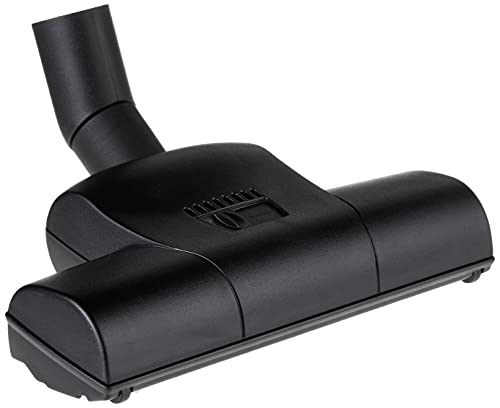
ProTeam 11-Inch Turbo Brush Carpet Floor Tool, Vacuum Floor Brush for use on Medium- to High-Pile Carpets and Entry Mats
This is an OEM authorized replacement part; OEM part number 103608
As an affiliate, we earn on qualifying purchases.
As an affiliate, we earn on qualifying purchases.

Hoover WindTunnel Cord Rewind Pro Bagless Vacuum Cleaner, Corded Upright Vacuum Cleaner for Carpet and Hard Floor, Multi-Cyclonic Filtration, 25ft Auto-Rewind Cord, 5-Height Adjustment
WINDTUNNEL TECHNOLOGY: Advanced WindTunnel suction creates powerful airflow while Multi-Cyclonic filtration maintains consistent suction power throughout cleaning, effectively…
As an affiliate, we earn on qualifying purchases.
As an affiliate, we earn on qualifying purchases.