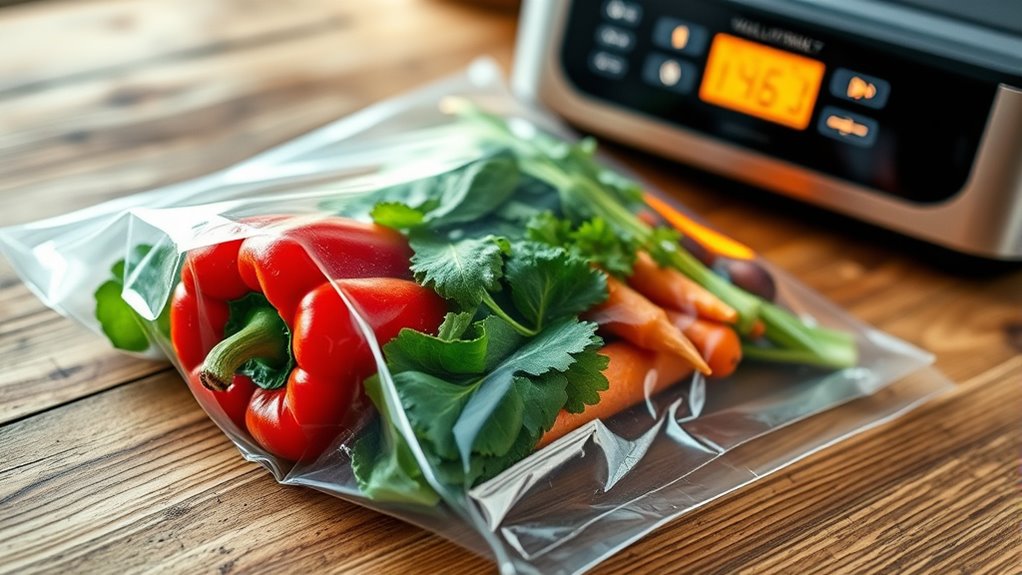

Sustainable vacuum packaging helps you reduce waste by choosing biodegradable films, recycling packaging properly, and using reusable vacuum bags whenever possible. These practices cut down on long-term plastic pollution, conserve resources, and support eco-friendly waste management. Proper storage also decreases food spoilage, further reducing waste. By making responsible choices in packaging materials and disposal methods, you contribute to a healthier planet. Continue exploring ways to optimize your packaging for a more sustainable future.

Get cleaning gear delivered free — and shop member deals
- Fast, free delivery on millions of items
- Access to Prime Big Deal Days deals on October 6–7
- Prime Video, Amazon Music and more included
Key Takeaways
- Use biodegradable and compostable vacuum films to ensure faster environmental degradation.
- Opt for reusable vacuum bags and refillable systems to minimize single-use waste.
- Properly recycle compatible packaging materials according to local guidelines to support a circular economy.
- Reduce packaging excess and choose minimal, eco-friendly options to lower overall waste generation.
- Stay informed about innovative sustainable packaging solutions to adopt environmentally responsible practices.
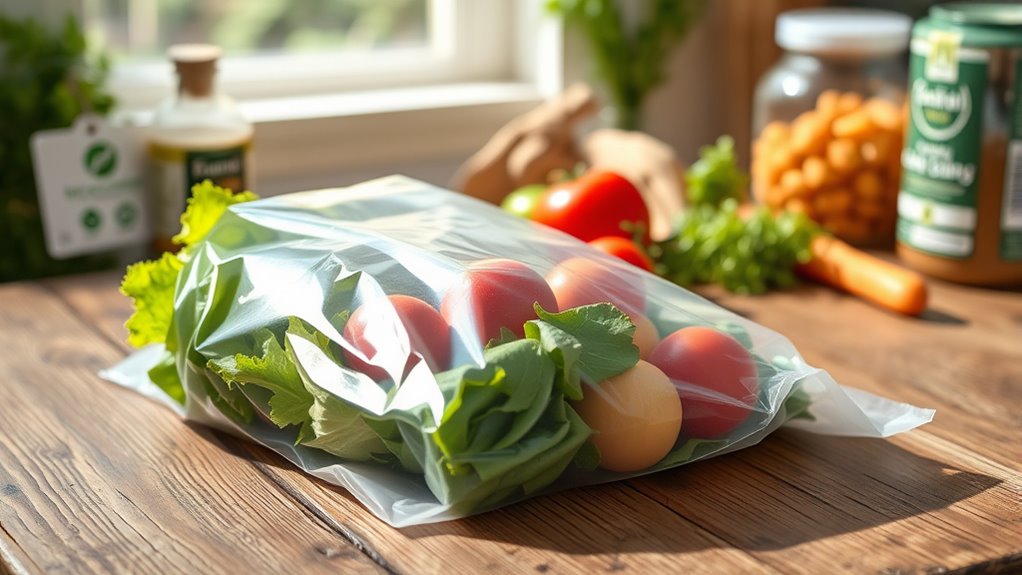
Vacuum packaging plays a vital role in reducing food waste and extending shelf life, but its sustainability depends on the materials and practices used. When choosing packaging options, you have the opportunity to prioritize environmentally friendly solutions like biodegradable films. These films break down more quickly in natural environments compared to traditional plastics, reducing long-term waste accumulation. By opting for biodegradable films, you contribute to lessening the burden on landfills and decrease reliance on fossil fuels during production. It’s important to stay informed about brands and products that offer these sustainable alternatives, ensuring your packaging choices align with eco-friendly goals.
Choose biodegradable films to reduce waste and support eco-friendly packaging practices.
In addition to selecting biodegradable films, participating in recycling programs can substantially enhance the sustainability of vacuum packaging. Many packaging materials, even if initially plastic, can be recycled if properly sorted and processed. Engaging with local recycling initiatives helps divert packaging waste from landfills and encourages a circular economy. You should familiarize yourself with the recycling symbols on packaging and follow community guidelines to ensure that materials like film wraps and containers are correctly disposed of. Supporting recycling programs not only reduces waste but also promotes the development of more sustainable packaging solutions across the industry.
Implementing sustainable practices extends beyond just choosing materials. You can also reduce waste by minimizing excess packaging and using reusable or refillable vacuum bags where possible. When you properly store food using vacuum sealing, it prevents spoilage and waste, making your efforts more effective. It’s equally important to think about how you handle used packaging—cleaning and recycling whenever feasible helps close the loop and lessen environmental impact. If biodegradable films are not available, look for options that are compatible with existing recycling streams to avoid contaminating other recyclable materials.
Staying informed about innovations in sustainable packaging technology can provide you with new options to reduce waste. Manufacturers are continually innovating to develop more eco-friendly options, such as compostable or biodegradable vacuum bags. Supporting these innovations by purchasing products made with sustainable materials encourages the industry to prioritize environmentally responsible solutions. Your choices—whether in selecting biodegradable films, participating in recycling programs, or adopting better storage practices—make a tangible difference in reducing the environmental footprint of vacuum packaging.
Ultimately, the key to sustainability in vacuum packaging is making informed decisions and adopting responsible practices. By choosing biodegradable films, participating in recycling programs, and minimizing waste, you help foster a more sustainable food supply chain. Your actions contribute to the reduction of plastic pollution, conserve resources, and promote a healthier planet for future generations.
biodegradable vacuum sealing bags
As an affiliate, we earn on qualifying purchases.
As an affiliate, we earn on qualifying purchases.
Frequently Asked Questions
How Can Consumers Recycle Vacuum Packaging Materials Effectively?
You can recycle vacuum packaging materials effectively by participating in local recycling programs that accept these plastics. First, check your community’s recycling guidelines to understand what’s accepted. Increase your consumer awareness by cleaning and drying the packaging before recycling. Look for recycling symbols on the packaging, and consider bulk buying to reduce waste. Properly recycling helps minimize environmental impact and supports sustainability efforts.
Are There Biodegradable Options for Vacuum Packaging Films?
Yes, biodegradable films are available as eco-friendly alternatives for vacuum packaging. While traditional plastics often harm the environment, these biodegradable options break down more quickly, reducing waste. You can find films made from plant-based materials like cornstarch or PLA, which serve as sustainable solutions. By choosing these biodegradable films, you actively contribute to reducing plastic pollution and supporting a healthier planet.
What Innovations Are Reducing Waste in Vacuum Packaging Technology?
You can reduce waste in vacuum packaging technology through innovative materials like biodegradable films that break down naturally. Additionally, participating in recycling programs helps you properly dispose of used packaging, minimizing environmental impact. These advancements allow you to adopt more sustainable practices, cutting down on waste while maintaining product freshness. Embracing these innovations guarantees you’re contributing to a greener future while optimizing your packaging processes.
How Does Vacuum Packaging Impact Overall Environmental Carbon Footprint?
You might think vacuum packaging substantially increases environmental impact, but it actually reduces your carbon footprint. By decreasing food waste, it lowers overall carbon emissions linked to food production and disposal. Additionally, modern vacuum systems consume less energy, cutting energy consumption. This means your efforts in adopting vacuum packaging help minimize environmental impact, making it a more sustainable choice that supports both waste reduction and lower greenhouse gases.
Can Vacuum Packaging Be Reused Without Compromising Food Safety?
Yes, you can reuse vacuum packaging for food storage if it’s made from durable materials designed for multiple uses. Look for reusable storage options with high material durability, such as silicone or specialized plastics. Always verify the packaging is thoroughly cleaned and inspected for damage before reuse, as compromised seals or tears can jeopardize food safety. Proper reuse helps reduce waste and supports sustainability efforts.
Conclusion
By choosing sustainable vacuum packaging, you might worry about higher costs or less durability. But the reality is, eco-friendly options often save you money in the long run and reduce waste. You can protect your products and the environment at the same time. So, don’t let concerns hold you back—embrace sustainable packaging and make a real difference. Every small step counts in creating a more sustainable future for everyone.
Fall Picks
fall essentials
As an affiliate, we earn on qualifying purchases.