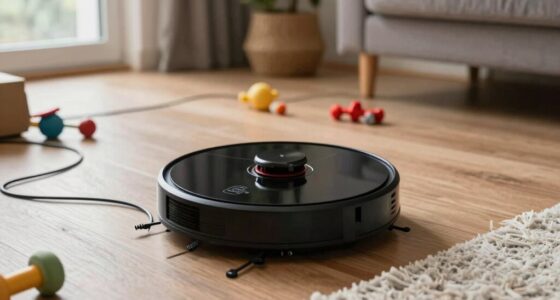
Mopping robots with water recycling tanks help you clean efficiently while saving resources. They continuously filter and reuse water during each cycle, reducing waste and lowering your water bills. Regular maintenance, like cleaning filters and tanks, ensures peak performance and keeps the system hygienic. With smart technology integrated, these robots enhance water use and cleaning results. If you want to discover how to maximize their benefits and maintain them properly, there’s more to explore below.

Get cleaning gear delivered free with Prime
- Fast, free delivery on millions of items
- Prime Video, Amazon Music and more included
- Member-only deals all year
Key Takeaways
- Mopping robots with water recycling tanks efficiently reuse water, reducing waste during cleaning sessions.
- These robots filter dirt and debris, expelling only contaminants to maintain optimal water quality.
- Regular maintenance of filters and water tanks ensures consistent water recycling performance and prolongs robot lifespan.
- Smart technology integration improves water management, enhancing cleaning efficiency and resource conservation.
- The use of water recycling tanks supports eco-friendly practices, lowering water bills and minimizing environmental impact.
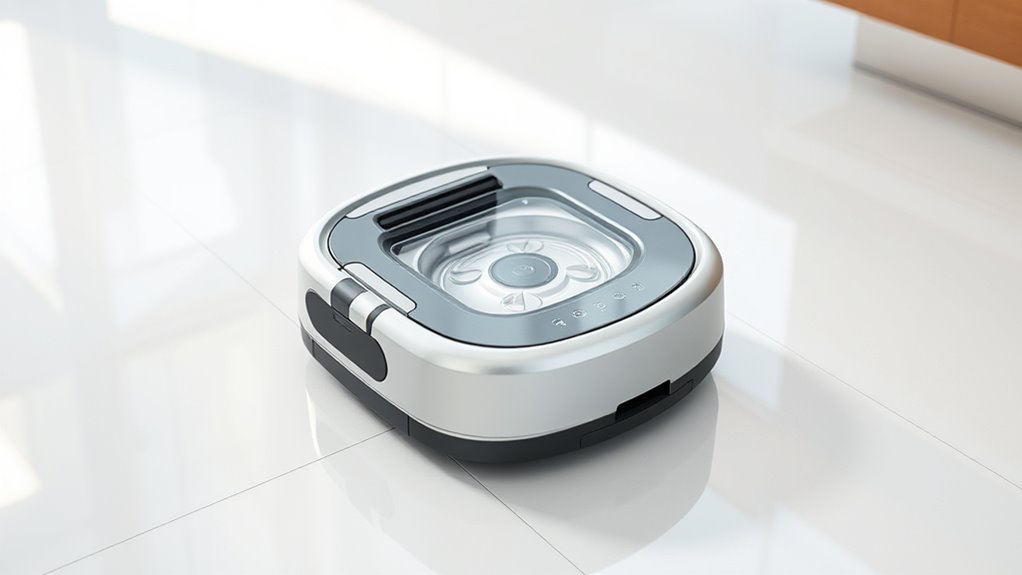
Mopping robots equipped with water recycling tanks are transforming how we clean floors, offering an efficient and eco-friendly solution. These advanced devices are designed to maximize water usage, reducing waste while maintaining spotless floors. With water efficiency at their core, they recycle and reuse water throughout the cleaning cycle, which means you don’t need to constantly refill their tanks. Instead, the robot filters and recycles water, ensuring only the dirt and debris are expelled, which conserves resources and lowers your water bills. This eco-conscious approach makes them especially appealing for large commercial spaces or environmentally aware households. Incorporating smart technology can further optimize water recycling and cleaning performance.
Water recycling mopping robots save resources and ensure spotless floors with eco-friendly, efficient cleaning.
To get the most out of your mopping robot with a water recycling system, understanding its maintenance routines is crucial. Regular upkeep ensures the device continues to operate at peak performance and prolongs its lifespan. For instance, you should routinely check and clean the water filtration system to prevent clogging and ensure smooth water flow. This involves removing and rinsing filters according to the manufacturer’s instructions, which helps maintain water efficiency by preventing dirt build-up that could hinder recycling capabilities. Additionally, inspecting the water tanks for any residual debris and wiping them down can prevent mold or unpleasant odors from developing, ensuring the cleaning process remains hygienic.
Another key aspect of maintenance routines is checking the brushes and pads. These components directly contact the floor and can accumulate dirt or hair, which may interfere with the robot’s ability to clean effectively. Regularly removing and cleaning these parts ensures ideal contact with the floor surface and promotes even cleaning. It also helps prevent unnecessary wear and tear, safeguarding your investment in the device. You might also want to review the robot’s software updates or calibration settings periodically. Manufacturers often release updates that improve water management algorithms, further enhancing water efficiency and cleaning precision.
Proper maintenance doesn’t just keep your mopping robot functioning well; it also maximizes its water recycling capabilities. When filters and parts are clean and functioning properly, the robot uses less water per cleaning cycle, making your operation more sustainable and cost-effective. Establishing routine checks—perhaps weekly or after a set number of cleaning sessions—can help you catch issues early and keep the system running smoothly. By integrating these simple maintenance routines into your cleaning schedule, you ensure your robot remains an eco-friendly, water-efficient cleaning partner that delivers consistently spotless floors without wasting resources.
mopping robot with water recycling tank
As an affiliate, we earn on qualifying purchases.
As an affiliate, we earn on qualifying purchases.
Frequently Asked Questions
How Long Can a Mopping Robot Operate on a Single Water Cycle?
You can typically expect a mopping robot to operate for about 1.5 to 2 hours on a single water cycle, depending on its battery life and water consumption. During this time, it uses water efficiently thanks to the recycling tank, minimizing waste. To maximize cleaning, guarantee your robot is fully charged before starting, and consider the size of the area you need to clean, as larger spaces may require multiple cycles.
Are Water Recycling Tanks Environmentally Friendly and Biodegradable?
Think of water recycling tanks as the green thumbs of cleaning technology—they’re eco-friendly and help protect the planet. These tanks often use biodegradable materials and eco-friendly design, making them a sustainable choice. They reduce water waste and minimize environmental impact, so you can clean confidently knowing you’re contributing to a greener future. By choosing such technology, you’re taking a step toward a more sustainable world—cleaning with care for the planet.
Can These Robots Handle Different Floor Types Effectively?
Yes, these robots handle different floor types effectively thanks to advanced surface detection. They adapt to various surfaces like tile, hardwood, and laminate by adjusting cleaning settings automatically. You’ll find their floor adaptability impressive, as they navigate obstacles and switch modes seamlessly. This ensures thorough cleaning regardless of floor type, saving you time and effort while maintaining ideal hygiene across your space.
What Safety Features Prevent Water Spillage During Operation?
Did you know that over 90% of spills during automated cleaning are prevented by advanced safety features? Your mopping robot uses safety sensors to detect obstacles and prevent water spillage during operation. These sensors automatically stop or adjust movement if potential spill risks are identified, ensuring spill prevention and safe operation. This smart technology helps keep your floors clean without the mess, giving you peace of mind and a safer environment.
How Often Should the Water Recycling Tanks Be Cleaned or Maintained?
You should perform water tank maintenance and recycling tank cleaning regularly, ideally every one to three months, depending on usage. Check your robot’s manufacturer guidelines for specific intervals. During maintenance, empty and rinse the tanks thoroughly to prevent buildup of debris and bacteria. Regular cleaning guarantees maximum performance, extends the lifespan of your device, and maintains hygiene. Keep track of your cleaning schedule to avoid neglecting this essential task.
Conclusion
With water recycling tanks, mopping robots make cleaning easier and more eco-friendly. You might worry about the water’s cleanliness, but advanced filtration systems guarantee it stays fresh and effective. Imagine coming home to spotless floors without the hassle of constant refills or waste. Embrace this smart technology, and feel good knowing you’re reducing water waste while enjoying a cleaner space. It’s a small change that truly makes a big difference for your home and the environment.
Fall Picks
fall essentials
As an affiliate, we earn on qualifying purchases.