
To keep dusty rooms from undoing your cleaning progress, you should use air purifiers to trap airborne dust and regularly dust surfaces with microfiber cloths. Close windows and doors to prevent outdoor dust from coming in, and run exhaust fans in kitchens and bathrooms. Keep clutter to a minimum and seal gaps to block dust entry. Maintaining these habits and managing airflow will help keep your space cleaner longer—discover more tips for lasting cleanliness ahead.

Get cleaning gear delivered free — and shop member deals
- Fast, free delivery on millions of items
- Access to Prime Big Deal Days deals on October 6–7
- Prime Video, Amazon Music and more included
Key Takeaways
- Use air purifiers strategically to continuously trap airborne dust and allergens.
- Keep windows and doors closed to prevent outdoor dust from re-entering.
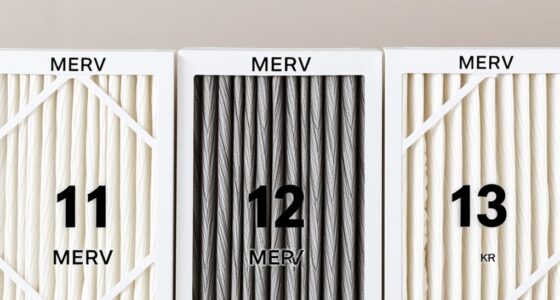
- Maintain and regularly replace HVAC filters to reduce dust circulation.
- Implement regular dusting with microfiber or damp cloths to prevent dust buildup.
- Minimize clutter to reduce dust collection surfaces and improve cleaning efficiency.
Dust can quickly undo your cleaning efforts, especially in rooms prone to clutter and airflow. No matter how thoroughly you mop the floors or wipe down surfaces, dust tends to settle back in, making the space look unkempt almost immediately. To keep your efforts from going to waste, you need to focus on controlling dust at its source and preventing it from circulating freely. Investing in air purifiers can make a considerable difference. These devices trap airborne dust particles, allergens, and other microscopic debris, improving air quality and reducing the amount of dust that settles on your furniture and floors. Place air purifiers in strategic locations, especially in rooms that tend to gather dust quickly, such as bedrooms and living areas. Regular dusting is equally important. Instead of sporadic cleanup, make dusting a routine part of your cleaning schedule. Use a microfiber cloth or a damp cloth to trap dust rather than just spreading it around. Pay special attention to surfaces that collect dust easily, like shelves, baseboards, and decorative items. Remember, dusting isn’t a one-and-done task; it’s an ongoing effort to keep dust from building up and settling into hard-to-reach spots. When dusting, work from top to bottom, so the particles fall onto surfaces you’ll clean later, not onto already cleaned areas. Combining regular dusting with the use of air purifiers creates a double layer of defense against dust accumulation. Additionally, consider managing airflow in the room. Keep windows and doors closed when possible to prevent outdoor dust from entering. Use exhaust fans in kitchens and bathrooms to vent dust and moisture outside instead of letting it circulate indoors. Regularly changing your HVAC filters also helps trap dust before it spreads throughout your home. Decluttering cluttered areas minimizes the surfaces where dust can settle, making your cleaning efforts more effective. Proper air circulation can significantly reduce dust buildup and improve overall indoor air quality. Moreover, choosing the right air purifier with appropriate filtration capabilities can target specific dust particles more efficiently. Incorporating dust control strategies such as sealing gaps and using dust barriers can further reduce dust infiltration. Understanding the contrast ratio in your space can help you choose the right lighting and projector setup to minimize glare and enhance viewing comfort, especially in a dusty environment where light reflections can be problematic. Combining these strategies—using air purifiers, maintaining regular dusting routines, managing airflow, and decluttering—can appreciably slow the rate at which dust re-accumulates. This way, your freshly cleaned rooms stay cleaner longer, and you won’t have to spend as much time battling dust on a daily basis. Staying consistent with these practices turns dust from an inevitable nuisance into a manageable part of your cleaning routine, ensuring your space remains fresh and inviting for longer periods.
As an affiliate, we earn on qualifying purchases.
Frequently Asked Questions
How Often Should I Clean My Dusty Rooms?
You should clean your dusty rooms at least once a week to prevent excessive dust accumulation. Regular cleaning helps maintain a healthy environment and keeps dust from settling deeply. Establishing consistent cleaning schedules makes it easier to stay on top of dust buildup, preventing it from undoing your efforts. If your space tends to gather more dust quickly, consider cleaning more often, like twice a week, to keep everything fresh and dust-free.
What Are the Best Air Purifiers for Dust Control?
Did you know that a good air purifier can remove up to 99.97% of airborne dust? For dust control, choose models with advanced air purifier features like HEPA filters, which boost dust filtration efficiency. Look for purifiers with high CADR ratings and a washable or replaceable filter to keep dust levels low. These features guarantee cleaner air and help maintain your cleaning efforts longer.
Can Certain Plants Reduce Indoor Dust Levels?
Certain plant varieties can help reduce indoor dust levels through natural dust reduction. Plants like spider plants, snake plants, and pothos are excellent choices because they filter airborne particles and improve air quality. By adding these plants to your rooms, you actively support dust reduction efforts. Keep in mind, regular watering and cleaning of the plants also enhance their dust-controlling benefits, making your space cleaner and healthier.
How Do I Prevent Dust From Entering Through Windows?
To prevent dust from entering through windows, start by sealing any gaps around the window frames with weatherstripping or caulk, ensuring a tight seal. Install insect screens to block dust and debris while still allowing airflow. Keep windows closed during windy days or when outdoor dust levels are high. Regularly clean the screens and check for leaks, maintaining a dust-resistant barrier that helps keep your indoor space clean.
Are There Specific Cleaning Tools That Trap Dust Better?
Ironically, your best dust traps are tools that attract dust rather than spread it around. Use electrostatic dusters to grab dust particles effortlessly, and a HEPA vacuum cleaner to trap microscopic allergens efficiently. These tools are designed to trap dust better than traditional cloths or vacuums without HEPA filters. Investing in them guarantees your cleaning lasts longer, saving you time and frustration because they truly prevent dust from sneaking back in.
Conclusion
Now, picture your spotless room, sunlight streaming through clear windows, dust-free surfaces shining. Keep that fresh feeling alive by regularly dusting, ventilating, and using air purifiers. Think of your efforts as gentle rain washing away dust storms before they settle. With consistent care, your space becomes a sanctuary, resisting the sneaky dust. Soon, your home will be a peaceful oasis where cleanliness endures, and every breath feels as pure as a morning breeze.
Fall Picks
fall essentials
As an affiliate, we earn on qualifying purchases.