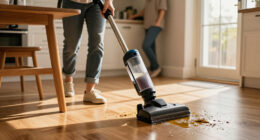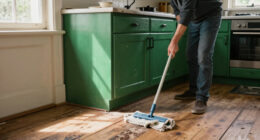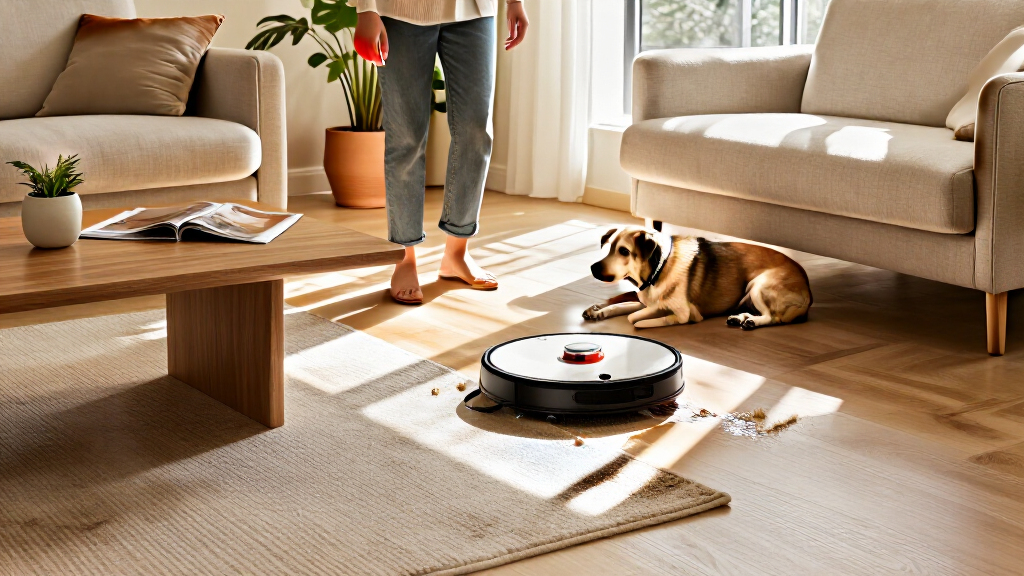
Robot vacuum mop combos can handle routine vacuuming and light mopping in one scheduled run, but they vary widely in how much work they save. My best overall pick is the Roborock Qrevo S Pro for shoppers who want a more automated cleaning setup, while the Roborock Q10 S5+ stands out for strong suction and a self-empty dock. The eufy Omni C20 is another compelling option for buyers who value an all-in-one dock. The main tradeoffs are dock automation versus upfront complexity, and convenience versus the ongoing care a mop system needs. Read on for the full breakdown of 15 options and guidance on choosing one for your home.

Get cleaning gear delivered free with Prime
- Fast, free delivery on millions of items
- Prime Video, Amazon Music and more included
- Member-only deals all year
Complete the kit


Key Takeaways
- Dock automation separates the biggest convenience upgrades. Models such as the Roborock Qrevo S Pro and eufy Omni C20 offer more hands-off routines than basic robot-and-charging-dock designs, but their docks also take up more space and need their own maintenance.
- High suction does not tell the whole cleaning story. The Roborock Q10 S5+ and ROPVACNIC 5200 Pa highlight suction-focused choices, while navigation, brush design, and how the mop handles your floors also affect day-to-day results.
- Self-emptying and mop care are different jobs. An AutoEmpty or self-empty dock can reduce dustbin emptying without washing or maintaining mop components; buyers should check what the dock automates rather than treating all docks alike.
- iRobot’s lineup offers distinct levels of automation. The Roomba 115 Combo is a simpler option, the 115X and 105 add AutoEmpty docks, and the Plus 415X adds an AutoWash dock, giving buyers clearer steps between basic and more hands-off routines.
- There is no single best format for every floor plan. Slimmer or simpler options such as the eufy Omni C20 may suit homes with tighter furniture clearance, while mapped, dock-equipped models make more sense for buyers who want repeatable room-by-room cleaning.
| Tikom G8000 Max Robot Vacuum and Mop Combo |  | Best for Low-Clearance Spaces | Suction power: 5,000Pa | Dustbin capacity: 450 ml | Water tank capacity: 300 ml | VIEW LATEST PRICE | See Our Full Breakdown |
| ROPVACNIC Robot Vacuum and Mop Combo, 5200 Pa |  | Best for Pet-Hair Tangle Reduction | Suction power: 5,200Pa | Battery life: 120 minutes | Battery type: Lithium-ion | VIEW LATEST PRICE | See Our Full Breakdown |
| iRobot Roomba 115X Combo Robot Vacuum & Mop with AutoEmpty Dock |  | Best for Hands-Off Debris Emptying | Suction power: Up to 15,000Pa | Coverage per charge: Up to 900 sq ft | Navigation: LiDAR | VIEW LATEST PRICE | See Our Full Breakdown |
| iRobot Roomba Plus 415X Robot Vacuum and Mop Combo with AutoWash Dock |  | Best for Automated Mop Care | Suction power: 20,000Pa | Dock: AutoWash Dock with debris emptying, mop washing, and heat drying | Debris capacity duration: Up to 90 days | VIEW LATEST PRICE | See Our Full Breakdown |
| eufy C28 Robot Vacuum and Mop Combo |  | Best for Roller-Mop Automation | Suction power: 15,000Pa | Mop roller: 28 cm wide, 270 RPM | Obstacle avoidance: LiDAR; objects at least 3 × 3 × 3 cm | VIEW LATEST PRICE | See Our Full Breakdown |
| iRobot Roomba 115 Combo Robot Vacuum and Mop |  | Best for Rug-Aware Mapping | Suction power: 15,000 Pa | Coverage per charge: Up to 900 sq ft | Battery life: 173 minutes | VIEW LATEST PRICE | See Our Full Breakdown |
| Roborock Q10 S5+ Robot Vacuum and Mop, 10,000 Pa Suction |  | Best for Low-Maintenance Mopping | Suction power: 10,000 Pa | Dust bag capacity: 2.7 L; advertised for up to 70 days | Battery life: 150 minutes | VIEW LATEST PRICE | See Our Full Breakdown |
| eufy Omni C20 Robot Vacuum and Mop Combo |  | Best for Low-Clearance Furniture | Suction power: Up to 7,000 Pa | Runtime: Up to 132 minutes | Height: 3.35 inches (85 mm) | VIEW LATEST PRICE | See Our Full Breakdown |
| Wrydao S6-Pro Robot Vacuum and Mop with Self-Emptying, LiDAR Mapping, and 6000 Pa Suction |  | Best for Adjustable Everyday Cleaning | Suction power: 6,000 Pa | Navigation: LiDAR smart mapping | Dust bag capacity: 3 L; advertised for up to 90 days | VIEW LATEST PRICE | See Our Full Breakdown |
| Roborock Robot Vacuum and Mop with LiDAR Navigation and Self-Empty Dock |  | Best for Hair-Prone Floors | Suction power: 10,000 Pa | Dust bag capacity: 2.7 L; advertised for 7–9 weeks | Battery life: 150 minutes | VIEW LATEST PRICE | See Our Full Breakdown |
| eufy E25 Robot Vacuum and Mop Combo |  | Best for Low-Maintenance Roller Mopping | Maximum suction: 20,000 Pa | Runtime: 125 minutes | Mop system: HydroJet roller mop | VIEW LATEST PRICE | See Our Full Breakdown |
| Roborock Qrevo S Pro Robot Vacuum and Mop |  | Best for Long Cleaning Runs | Suction power: 18,500 Pa | Battery life: 180 minutes | Mop system: Dual liftable spinning mops | VIEW LATEST PRICE | See Our Full Breakdown |
| iRobot Roomba 105 Combo Robot Vacuum and Mop with AutoEmpty Dock |  | Best for Simple, Low-Touch Upkeep | Cleaning modes: Vacuum only, mop only, vacuum-mop combo | AutoEmpty capacity: Up to 75 days of debris | Navigation: ClearView LiDAR | VIEW LATEST PRICE | See Our Full Breakdown |
| Shark Matrix Plus 2-in-1 Robot Vacuum and Mop, AV2610WA |  | Best Bagless Self-Emptying Pick | Model: AV2610WA | Mopping speed: Up to 100 scrubs per minute | Self-emptying capacity: Up to 60 days of dirt and debris | VIEW LATEST PRICE | See Our Full Breakdown |
| Roborock Q7 L5 Robot Vacuum and Mop Combo |  | Best for App-Controlled Everyday Cleaning | Suction power: 8,000 Pa | Navigation: LiDAR | Water tank capacity: 270 ml | VIEW LATEST PRICE | See Our Full Breakdown |
| robot vacuum mop combo | Suction power | Navigation | Battery life |
|---|---|---|---|
| Tikom G8000 Max Robot Vacuum a | 5,000Pa | — | — |
| ROPVACNIC Robot Vacuum and Mop | 5,200Pa | — | 120 minutes |
| iRobot Roomba 115X Combo Robot | Up to 15,000Pa | LiDAR | 173 minutes |
| iRobot Roomba Plus 415X Robot | 20,000Pa | LiDAR mapping and obstacle recognition | — |
| eufy C28 Robot Vacuum and Mop | 15,000Pa | — | 140 minutes |
| iRobot Roomba 115 Combo Robot | 15,000 Pa | LiDAR | 173 minutes |
| Roborock Q10 S5+ Robot Vacuum | 10,000 Pa | LiDAR with multi-level mapping | 150 minutes |
| eufy Omni C20 Robot Vacuum and | Up to 7,000 Pa | iPath Laser Navigation; stores up to 3 floor maps | — |
| Wrydao S6-Pro Robot Vacuum and | 6,000 Pa | LiDAR smart mapping | 160 minutes |
| Roborock Robot Vacuum and Mop | 10,000 Pa | PreciSense LiDAR | 150 minutes |
| eufy E25 Robot Vacuum and Mop | — | — | — |
| Roborock Qrevo S Pro Robot Vac | 18,500 Pa | LiDAR | 180 minutes |
| iRobot Roomba 105 Combo Robot | — | ClearView LiDAR | — |
| Shark Matrix Plus 2-in-1 Robot | — | 360° LiDAR mapping | — |
| Roborock Q7 L5 Robot Vacuum an | 8,000 Pa | LiDAR | 150 minutes |
More Details on Our Top Picks
Tikom G8000 Max Robot Vacuum and Mop Combo
The Tikom G8000 Max earns its place for buyers who want a straightforward vacuum-and-mop combo that can slip under low furniture: its 2.99-inch height is the clearest practical advantage over the taller, more maintenance-heavy dock systems in this group. It pairs 5,000Pa suction with separate 450 ml dust and 300 ml water capacities, and offers app, remote, voice, and button controls. Compared with the ROPVACNIC S1, it has a larger stated dustbin and more named cleaning modes, including zig-zag and edge cleaning. The tradeoff is less automation: it recharges itself, but the description does not include a self-emptying or mop-washing dock. Its 150-minute maximum applies to quiet mode, and carpet suitability is limited to short- and medium-pile carpets, so it is a better fit for mixed hard floors than thick carpeting.
Pros:- Low 2.99-inch profile can reach under more furniture.
- Combines vacuuming and mopping with a 300 ml water tank.
- App, remote, voice, and button controls offer flexible operation.
- Automatically returns to recharge when its battery is low.
Cons:- The 150-minute maximum runtime is specified only for quiet mode.
- Carpet support is described for short- and medium-pile carpets, not thicker pile.
- No self-emptying or automatic mop-washing dock is listed.
Best for: People with low-clearance furniture and mostly hard floors who want combined cleaning with several control options.
Not ideal for: Homes with thick carpets or buyers who want a dock to empty debris and clean the mop automatically.
- Suction power:5,000Pa
- Dustbin capacity:450 ml
- Water tank capacity:300 ml
- Maximum runtime:Up to 150 minutes in quiet mode
- Control methods:App, remote, voice, and button
- Cleaning modes:Spot, Edge, Zig-zag, and Manual
- Height:2.99 inches
- Floor types:Hard floors, tiles, carpets, and rugs
Our verdict“Choose the G8000 Max for low furniture and mostly hard floors; skip it if thick carpets or dock-based maintenance automation are priorities.”
ROPVACNIC Robot Vacuum and Mop Combo, 5200 Pa
The ROPVACNIC S1 is the more focused choice for homes with pet hair on hard floors and low-pile carpet. Its brush-free design is intended to reduce hair tangles, while three suction levels and adjustable electric mopping let owners tune routine cleaning without relying on a complex dock. App, remote, touchpad, and voice controls make it accessible to different household members, and it can schedule runs, detect obstacles, and return to recharge. Compared with the Tikom G8000 Max, it offers slightly higher stated suction and explicitly lists Amazon Echo and Google Home compatibility, but Tikom gives clearer support for more carpet types and specifies a larger dustbin. ROPVACNIC’s stated surface range is narrower: low-pile carpets only. Its 120-minute battery life and lack of listed self-emptying or mop-pad washing also make it less suited to large homes seeking minimal upkeep.
Pros:- Brush-free design is intended to reduce pet-hair tangles.
- Adjustable electric mopping and three suction levels allow cleaning changes.
- App, remote, touchpad, and voice control are supported.
- Automatically detects obstacles and returns to its charging dock.
Cons:- Surface compatibility is specified for hardwood and low-pile carpets, limiting use on thicker rugs.
- The stated 120-minute battery life is shorter than the Tikom G8000 Max’s quiet-mode maximum.
- No self-emptying or automatic mop-washing station is listed.
Best for: Pet owners with hardwood or other hard floors and low-pile rugs who want to reduce brush-related hair tangles.
Not ideal for: Households with thick carpets or buyers who want a self-emptying station and automated mop care.
- Suction power:5,200Pa
- Battery life:120 minutes
- Battery type:Lithium-ion
- Surface compatibility:Hardwood floors and low-pile carpets
- Control methods:App, remote, touchpad, and voice
- Voice assistant compatibility:Amazon Echo and Google Home
- Suction levels:3
- Filter:Multi-layer high-efficiency filtration
Our verdict“Pick the ROPVACNIC S1 for pet hair on hard floors and low-pile rugs, but look elsewhere for thick-carpet coverage or hands-off dock care.”
iRobot Roomba 115X Combo Robot Vacuum & Mop with AutoEmpty Dock
The Roomba 115X Combo stands out for reducing one of the most frequent chores in robot cleaning: emptying the dustbin. Its Auto-Empty dock stores debris in a sealed 2.5 L bag for up to three months, while LiDAR mapping helps it plan room coverage and operate in low light. It also vacuums and mops in one pass, with a washable microfiber pad and No-Mop Zones for keeping the mop away from designated areas. Compared with the Roomba Plus 415X, this model emphasizes debris storage rather than washing and heat-drying mop pads; the 415X’s dock is the more complete mop-care setup. The 115X lists up to 15,000Pa suction and 173 minutes of battery life, but setup and app control require 2.4GHz Wi-Fi. Its bag still needs replacement, especially in dusty homes.
Pros:- Sealed 2.5 L bag stores debris for up to three months.
- LiDAR navigation maps rooms and supports cleaning in low light.
- Combines vacuuming and mopping with customizable modes and No-Mop Zones.
- Pet-hair-resistant brushes and a washable microfiber mop pad are included.
Cons:- The dock empties debris but does not list automatic mop washing or drying.
- Setup and app control require a 2.4GHz Wi-Fi network.
- The bag may need more frequent replacement in very dusty environments.
Best for: Busy households that want mapped vacuum-and-mop cleaning and fewer manual dustbin emptying tasks.
Not ideal for: Buyers who want a dock to wash and dry the mop pad, or homes without a 2.4GHz Wi-Fi network for setup and app control.
- Suction power:Up to 15,000Pa
- Coverage per charge:Up to 900 sq ft
- Navigation:LiDAR
- Battery life:173 minutes
- Bag capacity:2.5 liters
- Dock:Auto-Empty dock with sealed AllergenLock bag
- Control methods:App, push button, and voice
- Mop feature:Washable microfiber pad with No-Mop Zones
Our verdict“Choose the Roomba 115X if reducing dustbin chores matters more than automatic mop-pad washing and drying.”
iRobot Roomba Plus 415X Robot Vacuum and Mop Combo with AutoWash Dock
The Roomba Plus 415X is the strongest fit here for buyers who want the dock to handle mop maintenance as well as debris. Its AutoWash Dock empties debris, washes mop pads, and heat-dries them at 113°F, reducing the need to rinse and dry the pad after each run. Four cleaning modes let owners separate vacuuming from mopping or combine both, while LiDAR navigation, obstacle recognition, and a 10 mm mop lift help it avoid common obstacles and pass over some rugs. Compared with the Roomba 115X, it offers more complete mop care, while the 115X specifies a longer battery life and sealed debris-bag capacity. The 415X’s 20,000Pa suction and tangle-free rubber brushes suit pet-hair cleanup, but the description gives no battery-life or water-tank capacity figures. The dock still needs water refills and routine care.
Pros:- AutoWash Dock empties debris, washes mop pads, and heat-dries them.
- Four modes include vacuum-only, mop-only, combined, and vacuum-then-mop.
- Tangle-free rubber brushes are designed for pet hair.
- LiDAR mapping and 10 mm mop lift help it handle obstacles and some rugs.
Cons:- The dock still needs water refills and routine maintenance.
- Battery life and water-tank capacity are not specified in the product data.
- A 10 mm mop lift may not clear taller rug edges.
Best for: Pet-owning households that mop often and want a dock to wash and heat-dry pads between cleaning runs.
Not ideal for: Buyers who need published battery-life or water-tank capacity figures, or who want a system requiring little dock upkeep.
- Suction power:20,000Pa
- Dock:AutoWash Dock with debris emptying, mop washing, and heat drying
- Debris capacity duration:Up to 90 days
- Mop pad drying temperature:113°F
- Mop lift height:10 mm
- Navigation:LiDAR mapping and obstacle recognition
- Cleaning modes:Vacuum only, mop only, vacuum and mop, vacuum then mop
- Brushes:Tangle-free rubber brushes
Our verdict“Choose the Roomba Plus 415X if automated mop washing and drying matter more than having complete battery and tank specifications.”
eufy C28 Robot Vacuum and Mop Combo
The eufy C28 takes a different route from the Roomba combos: its self-cleaning HydroJet roller mop pairs with a station that empties dust, washes and dries the mop, and collects wastewater. That setup is aimed at buyers who want to avoid handling a used mop after each run. LiDAR navigation maps rooms and avoids obstacles without cameras, while 15,000Pa suction and automatic carpet boost support pickup across hard floors and short carpets. Compared with the Roomba Plus 415X, the C28 specifies a wider 28 cm roller, 140-minute battery life, and 3 L dust bag; the Roomba lists higher suction and a stated 90-day debris duration. The C28’s 10.8 mm mop lift is modest, and obstacle avoidance is specified only for objects at least 3 cm in each dimension, so small clutter may be missed.
Pros:- HydroJet roller mop is washed and dried by the station.
- Station also empties dust and collects wastewater.
- LiDAR navigation maps rooms and avoids obstacles without cameras.
- 15,000Pa suction and automatic carpet boost support hard-floor and short-carpet cleaning.
Cons:- The 10.8 mm mop lift may not clear taller rugs.
- Obstacle avoidance is specified for objects at least 3 cm in each dimension.
- Recommended surface information lists short wool carpet, not thicker carpet types.
Best for: Households with mostly hard floors and short carpets that want a roller mop and station-based washing, drying, and wastewater collection.
Not ideal for: Homes with tall rugs or lots of small floor clutter that may fall below the listed obstacle-detection size.
- Suction power:15,000Pa
- Mop roller:28 cm wide, 270 RPM
- Obstacle avoidance:LiDAR; objects at least 3 × 3 × 3 cm
- Mop lift:10.8 mm
- Battery life:140 minutes
- Dust bag capacity:3 L
- Operation noise:54.89 dB
- Recommended surfaces:Hard floors, wooden floors, and short wool carpet
Our verdict“Choose the eufy C28 for an automated roller-mop station on mostly hard floors, but avoid it if tall rugs or small floor obstacles are common.”
iRobot Roomba 115 Combo Robot Vacuum and Mop
The Roomba 115 Combo is a good fit for homes where mapping and rug protection matter more than a self-emptying dock. Its LiDAR navigation supports multi-room routes, while No Mop Zones let you keep rugs out of the robot’s mopping path. It also vacuums and mops in one pass, so routine hard-floor cleanup takes less coordination than using separate cleaning runs. Compared with the Roborock Q10 S5+, it lacks a self-emptying station and sonic mopping, but offers higher stated suction and adjustable water settings. The tradeoff is scale: coverage is listed at up to 900 square feet per charge, making it a more natural choice for small to medium homes than sprawling layouts. Setup also requires 2.4 GHz Wi-Fi, and filters and brushes need periodic replacement.
Pros:- Vacuums and mops in one pass for routine floor upkeep.
- LiDAR mapping supports multi-room navigation.
- No Mop Zones help keep rugs dry.
- Washable microfiber pad and anti-hair-wrap brushes.
Cons:- Listed coverage is limited to up to 900 square feet per charge.
- No self-emptying dock is specified.
- Requires 2.4 GHz Wi-Fi for setup, and filters and brushes need replacement every 3–6 months.
Best for: People in small to medium homes who want LiDAR room mapping and a way to keep rugs out of mopping routes.
Not ideal for: Owners of large homes or anyone who wants a self-emptying dock and less frequent dust-bin maintenance.
- Suction power:15,000 Pa
- Coverage per charge:Up to 900 sq ft
- Battery life:173 minutes
- Navigation:LiDAR
- Mop pad:Washable microfiber
- Cleaning settings:4 suction levels; 1–2 cleaning passes; 3 water or solution levels
- Connectivity:2.4 GHz Wi-Fi required for setup
Our verdict“Choose the Roomba 115 Combo for mapped, rug-aware cleaning in a modest-sized home, but pick the Roborock Q10 S5+ if self-emptying is a priority.”
Roborock Q10 S5+ Robot Vacuum and Mop, 10,000 Pa Suction
The Roborock Q10 S5+ puts reduced upkeep at the center of its appeal: the dock holds a 2.7 L dust bag advertised for up to 70 days, while VibraRise 2.0 adds sonic scrubbing and lifts the mop up to 8 mm when carpet is detected. That combination makes it more hands-off than the Roomba 115 Combo, which has no self-emptying dock listed, and more mopping-focused than the Roborock model with a 2.7 L bag described elsewhere in this roundup. LiDAR mapping, structured-light obstacle avoidance, and app or voice controls add useful route management. The compromises are a 2.4 GHz-only Wi-Fi requirement and a specification inconsistency: the product data notes that a listed maximum suction value does not match the stated 10,000 Pa figure. I would treat the stated figure cautiously.
Pros:- 2.7 L self-emptying dust bag is advertised for up to 70 days of cleaning.
- VibraRise 2.0 sonic mopping scrubs up to 3,000 times per minute.
- Mop lifts up to 8 mm when carpet is detected.
- LiDAR mapping and structured-light obstacle avoidance support planned cleaning.
Cons:- Product information contains an inconsistency about maximum suction versus the stated 10,000 Pa specification.
- Wi-Fi support is limited to 2.4 GHz.
- An 8 mm mop lift may not provide enough clearance for every carpet.
Best for: Busy households with mixed flooring that want a self-emptying dock, carpet-aware mop lifting, and less frequent dust-bag changes.
Not ideal for: Buyers who need clear, consistent suction specifications or who cannot use a 2.4 GHz Wi-Fi network.
- Suction power:10,000 Pa
- Dust bag capacity:2.7 L; advertised for up to 70 days
- Battery life:150 minutes
- Mopping system:VibraRise 2.0; up to 3,000 scrubs per minute
- Mop lift:Up to 8 mm
- Navigation:LiDAR with multi-level mapping
- Obstacle avoidance:ReactiveTech structured light
- Connectivity:2.4 GHz Wi-Fi
Our verdict“Pick the Q10 S5+ if you want a self-emptying combo with sonic mopping and carpet detection, and can accept the unclear suction specification.”
eufy Omni C20 Robot Vacuum and Mop Combo
At 3.35 inches tall, the eufy Omni C20 is the standout here for reaching beneath low furniture that can block taller robots. Its station also handles several chores beyond dust collection: it empties the robot and washes and dries the mop pads, a broader cleanup routine than the Wrydao S6-Pro offers with its self-emptying dock. The C20 vacuums and mops simultaneously, lifts its mop on carpet, and stores up to three floor maps, making it appealing for homes with multiple levels or varied rooms. Its stated suction tops out at 7,000 Pa, below the 10,000 Pa listed for the Roborock Q10 S5+, so buyers prioritizing suction should compare those figures. Tall carpet also calls for care: carpet pile over 20 mm requires No-Go Zones, and compatible boundary strips are not included.
Pros:- Low 3.35-inch profile can reach beneath some low-clearance furniture.
- Station empties dust and washes and dries mop pads.
- Automatically lifts the mop when carpet is detected.
- Stores up to three floor maps and supports recharge-and-resume cleaning.
Cons:- Carpets over 20 mm pile require No-Go Zones.
- Boundary strips are not included and are not compatible.
- 2.4 GHz Wi-Fi only.
Best for: People furnishing homes with low sofas or cabinets who want a slim robot and a station that washes and dries mop pads.
Not ideal for: Households with carpets over 20 mm pile or buyers who want higher stated suction than 7,000 Pa.
- Suction power:Up to 7,000 Pa
- Runtime:Up to 132 minutes
- Height:3.35 inches (85 mm)
- Dust bag capacity:3.1 L
- Navigation:iPath Laser Navigation; stores up to 3 floor maps
- Mopping:6 N pressure at 180 RPM; automatically lifts on carpet
- Wi-Fi:2.4 GHz only
- Noise level:56 dB
Our verdict“Choose the Omni C20 when low furniture and automatic mop-pad care matter more than higher suction or handling tall carpet without no-go settings.”
Wrydao S6-Pro Robot Vacuum and Mop with Self-Emptying, LiDAR Mapping, and 6000 Pa Suction
The Wrydao S6-Pro is the flexible, settings-led pick: room selection, scheduling, no-go zones, adjustable suction, carpet boost, and three water-flow settings let owners tailor runs to different areas. Its 3 L self-emptying bag is advertised for up to 90 days, a longer stated interval than the Q10 S5+’s up-to-70-day claim, though actual emptying frequency will depend on household debris and use. Compared with the eufy Omni C20, the Wrydao offers more explicit suction and water adjustments but lacks a station that washes and dries mop pads. Its 6,000 Pa suction is also below the 10,000 Pa listed for the Q10 S5+. The mopping function is intended for sealed hard floors, not carpet, so this is better viewed as a customizable maintenance robot than an all-surface mop solution.
Pros:- LiDAR mapping supports room selection and no-go zones.
- 3 L dust bag is advertised for up to 90 days of cleaning.
- Adjustable suction, carpet boost, and three water-flow settings.
- Supports app and Alexa voice control.
Cons:- Mopping is intended for sealed hard floors and is not suitable for carpets.
- 6,000 Pa stated suction is lower than the 10,000 Pa listed for the Roborock Q10 S5+.
- Requires 2.4 GHz Wi-Fi for app connectivity.
Best for: Owners of sealed hard floors and low- to mid-pile carpets who want room-by-room controls and adjustable vacuum and water settings.
Not ideal for: Buyers who want a robot to mop carpet, a station that washes mop pads, or higher listed suction for heavy debris.
- Suction power:6,000 Pa
- Navigation:LiDAR smart mapping
- Dust bag capacity:3 L; advertised for up to 90 days
- Battery life:160 minutes
- Surface recommendations:Hardwood, low- to mid-pile carpet, tile, marble
- Controls:App and Alexa voice control
- Dimensions:12.35 × 3.87 × 12.35 in
- Warranty:1-year manufacturer warranty plus 1-year extended protection; registration may be required
Our verdict“Choose the S6-Pro for adjustable room-by-room cleaning on sealed hard floors, but skip it if you expect the mop to handle carpet or want pad washing at the dock.”
Roborock Robot Vacuum and Mop with LiDAR Navigation and Self-Empty Dock
This Roborock vacuum-mop combo pairs a self-empty dock with dual anti-tangle brushes, making it a practical match for homes where hair buildup is a recurring maintenance task. Its 2.7 L bag is advertised to last 7–9 weeks, and PreciSense LiDAR helps plan routes across wood, tile, marble, and carpet. Compared with the Wrydao S6-Pro, it lists substantially higher suction at 10,000 Pa and adds anti-tangle brush design, while the Wrydao gives buyers more explicit water-flow and carpet-boost settings. The Roborock’s mopping details are comparatively spare: three water-flow settings are listed, but no mop-lift feature or pad-washing station is specified. Its 150-minute battery life and 12.8-inch cleaning path are useful planning details, though 2.4 GHz Wi-Fi is required for connectivity.
Pros:- 10,000 Pa stated suction for vacuuming debris across hard floors and carpet.
- Dual anti-tangle brushes help reduce hair buildup.
- Self-empty dock has a 2.7 L dust bag advertised for 7–9 weeks.
- PreciSense LiDAR supports planned cleaning paths.
Cons:- Mopping information is limited to three water-flow settings; no mop-lift feature is specified.
- No mop-pad washing or drying station is listed.
- Requires 2.4 GHz Wi-Fi.
Best for: Homes with shedding pets or long-haired occupants that want a self-emptying robot and brushes designed to reduce hair wrap.
Not ideal for: Buyers who want detailed mopping automation such as automatic mop lifting, pad washing, or a specified sonic scrub system.
- Suction power:10,000 Pa
- Dust bag capacity:2.7 L; advertised for 7–9 weeks
- Battery life:150 minutes
- Cleaning path width:12.8 inches
- Navigation:PreciSense LiDAR
- Water flow settings:3
- Noise level:65 dB
- Connectivity:2.4 GHz Wi-Fi
Our verdict“Choose this Roborock if hair control and longer intervals between dust emptying matter more than advanced or self-cleaning mop features.”
eufy E25 Robot Vacuum and Mop Combo
The E25 is the strongest fit here for buyers who want the mop itself cleaned during the chore, not just a robot that drags a damp pad around. Its HydroJet roller refreshes with clean water, while the station handles mop washing, drying, water refilling, and dust emptying. That gives it a more hands-off mop routine than the Roborock Q7 L5, which has a smaller onboard water tank and no listed mop-washing dock. The E25 also pairs 20,000 Pa suction with anti-tangle brushes, a useful combination for homes with pets and mixed flooring. The tradeoff is network and power flexibility: it supports 2.4 GHz Wi-Fi only and is designed for 110V US power. Its 10.8 mm mop lift also may not clear every carpet pile.
Pros:- HydroJet roller mop refreshes with clean water while cleaning.
- Station empties dust, washes and dries the mop, and refills water.
- Anti-tangle brushes are designed to handle pet hair.
- Laser mapping stores up to five floor plans.
Cons:- Connects only to 2.4 GHz Wi-Fi.
- Designed for 110V US power.
- The 10.8 mm mop lift may not provide enough clearance for thicker carpets.
Best for: Pet households with mostly hard floors that want a roller mop and an automated wash-and-refill station.
Not ideal for: Buyers with 5 GHz-only Wi-Fi, non-US power requirements, or thick carpets that need generous mop clearance.
- Maximum suction:20,000 Pa
- Runtime:125 minutes
- Mop system:HydroJet roller mop
- Dust bag capacity:3 L
- Water capacity:2.5 liters
- Mop drying:50°C hot air
- Floor plan memory:Up to 5 plans
- Mop lift:10.8 mm
Our verdict“Choose the E25 if you want a self-maintaining roller mop and can work with its Wi-Fi and voltage limits.”
Roborock Qrevo S Pro Robot Vacuum and Mop
The Qrevo S Pro stands out for buyers who need a robot to cover a large home before returning to charge: its listed 180-minute battery life is longer than the E25’s 125 minutes. Dual spinning mops, a 10 mm lift, and a dock that washes, dries, and refills them give it a fuller mop-care setup than the more basic Roborock Q7 L5. LiDAR navigation, obstacle avoidance, and multi-floor mapping also suit homes with distinct cleaning zones. The compromises are practical rather than minor: the robot supports 2.4 GHz Wi-Fi only, and its noise level is inconsistent in the supplied data, listed as both 55 dB and 60 dB. Buyers seeking a simpler setup may prefer the Roomba 105 Combo, though it lacks the Qrevo’s stated long runtime and mop-washing dock.
Pros:- Listed 180-minute battery life supports extended cleaning runs.
- Multifunction dock empties dust, washes and dries mops, and refills the robot.
- LiDAR navigation supports obstacle avoidance and multi-floor mapping.
- Dual liftable spinning mops and carpet-focused cleaning settings support mixed flooring.
Cons:- Supports 2.4 GHz Wi-Fi only.
- Noise data conflicts, with 55 dB in the description and 60 dB in the specifications.
- The 10 mm mop lift may not clear every carpet.
Best for: Owners of larger, multi-floor homes who want long cleaning sessions and a dock that maintains spinning mop pads.
Not ideal for: Households using only 5 GHz Wi-Fi or buyers who need a clearly specified noise level before choosing.
- Suction power:18,500 Pa
- Battery life:180 minutes
- Mop system:Dual liftable spinning mops
- Dust bag capacity:2.7 L
- Mop self-cleaning temperature:167°F
- Mop drying:113°F warm air
- Mop lift:10 mm
- Navigation:LiDAR
Our verdict“Pick the Qrevo S Pro for long, mapped cleaning runs and dock-maintained spinning mops, provided its Wi-Fi and noise-data limits are acceptable.”
iRobot Roomba 105 Combo Robot Vacuum and Mop with AutoEmpty Dock
The Roomba 105 Combo is the straightforward pick for buyers who value less frequent debris handling over an elaborate mop-washing system. Its dock holds up to 75 days of debris, a longer stated interval than the Shark Matrix Plus’s 60-day bagless base, while ClearView LiDAR helps it map rooms for scheduled cleaning. Carpet detection helps keep rugs dry during mopping, and Vacuum only, Mop only, and Combo modes give owners control over how each run is set up. Compared with the E25, though, the Roomba does not list a station that washes, dries, or refills the mop; its convenience is centered on dust disposal. The dock also uses proprietary disposable bags, and the mopping pad may need replacement. This is a practical choice, not the most self-sufficient mop combo in this group.
Pros:- AutoEmpty dock holds up to 75 days of debris.
- ClearView LiDAR supports room mapping and planned coverage.
- Carpet detection helps keep rugs dry while mopping.
- Offers vacuum-only, mop-only, and combined cleaning modes.
Cons:- AutoEmpty dock requires proprietary disposable bags.
- No mop-washing or mop-drying dock is listed.
- Mopping requires water or compatible cleaning solution, and pads may need replacement.
Best for: Busy households that want mapped cleaning and infrequent dust disposal, with carpet and hard-floor zones to manage.
Not ideal for: Buyers who want an automated mop-washing and water-refilling dock or prefer to avoid proprietary disposable bags.
- Cleaning modes:Vacuum only, mop only, vacuum-mop combo
- AutoEmpty capacity:Up to 75 days of debris
- Navigation:ClearView LiDAR
- Surface compatibility:Carpet and hard floor
- Connectivity:2.4 GHz Wi-Fi with iRobot Home app
- Special feature:Carpet detection for wet/dry control
- Cleaning feature:SmartScrub
Our verdict“Choose the Roomba 105 Combo if long intervals between dust disposal matter more than automated mop-pad care.”
Shark Matrix Plus 2-in-1 Robot Vacuum and Mop, AV2610WA
The Shark Matrix Plus is the clear choice for buyers who want a self-emptying base without disposable dust bags. Its bagless HEPA base holds up to 60 days of debris, giving it a different upkeep profile from the Roomba 105 Combo, whose dock uses proprietary bags and is listed for up to 75 days. Shark adds sonic mopping at up to 100 scrubs per minute and can vacuum and mop at the same time, so it offers more active hard-floor scrubbing than the Roomba’s listed SmartScrub feature alone conveys. LiDAR mapping and a self-cleaning brushroll add useful support for organized coverage and hair pickup. The tradeoff is mop versatility: the sonic pad is for hard floors and does not take the place of carpet cleaning. Unlike the E25, no mop-washing or drying station is listed.
Pros:- Bagless self-emptying base holds up to 60 days of debris.
- Sonic mop scrubs up to 100 times per minute.
- LiDAR mapping supports methodical navigation.
- Self-cleaning brushroll is designed to reduce hair wrap.
Cons:- Mopping is intended for hard floors and does not replace carpet cleaning.
- No automated mop washing or drying is listed.
- The supplied product data does not specify runtime or suction strength.
Best for: Buyers who want a bagless self-empty base, HEPA filtration, and simultaneous vacuuming and hard-floor mopping.
Not ideal for: People who want a dock that washes and dries mop pads or need the mop to clean carpeted areas.
- Model:AV2610WA
- Mopping speed:Up to 100 scrubs per minute
- Self-emptying capacity:Up to 60 days of dirt and debris
- Filtration:HEPA; captures 99.97% of dust and allergens down to 0.3 microns
- Navigation:360° LiDAR mapping
- Mopping pads:2 reusable microfiber pads
- Included cleaning solution:12 oz starter supply
Our verdict“Choose the Shark Matrix Plus if bagless debris disposal and powered hard-floor scrubbing matter more than automated mop-pad care.”
Roborock Q7 L5 Robot Vacuum and Mop Combo
The Q7 L5 is the simpler, more control-focused Roborock in this group. It combines 8,000 Pa suction with simultaneous vacuuming and mopping, LiDAR mapping, no-go zones, schedules, and multi-floor support—useful for buyers who want to direct cleaning without paying for a dock-centered mop-care routine. Compared with the Qrevo S Pro, it gives up the multifunction dock, dual spinning mops, and much longer listed battery life; in return, its setup is centered on an onboard 270 ml water tank and app controls. Anti-tangle brushes may help reduce hair wrap, but the integrated water-tank and dustbin combo part could make upkeep less convenient than separate components. Its 2.4 GHz-only Wi-Fi also rules it out for some networks.
Pros:- Vacuums and mops simultaneously.
- LiDAR supports multi-floor mapping and no-go zones.
- App, scheduling, and voice controls offer flexible routines.
- Anti-tangle brushes are designed to reduce hair wrap.
Cons:- The 270 ml water tank requires refilling for larger mopping jobs.
- Water tank and dustbin are an integrated combo part.
- Supports only 2.4 GHz Wi-Fi.
Best for: App-oriented households with mixed flooring that want mapped, scheduled vacuuming and light mopping without a multifunction dock.
Not ideal for: Buyers who need automatic mop washing and drying, a large water reserve, or support for 5 GHz Wi-Fi.
- Suction power:8,000 Pa
- Navigation:LiDAR
- Water tank capacity:270 ml
- Battery life:150 minutes
- Filter:Washable
- Noise level:60 dB
- Connectivity:2.4 GHz Wi-Fi
- Supported surfaces:Carpet, laminate, tile, vinyl, wood, and marble
Our verdict“Choose the Q7 L5 for mapped, app-controlled routine cleaning if you do not need the Qrevo S Pro’s mop-care dock.”

How We Picked
I compared these 15 robot vacuum mop combos by how well their feature sets address the practical parts of combined floor care: vacuum capability, mop format, navigation, dock functions, routine control, and upkeep. I gave more weight to clear usability gains than to headline specifications alone. For example, a self-empty dock can cut down on dustbin handling, but it does not automatically mean the mop is washed or dried. I also considered how well each model’s stated features fit different homes, from buyers seeking basic scheduled cleaning to those prioritizing more automated maintenance.
The ranking reflects usefulness across a range of households, not a claim that one machine wins every cleaning task. Models with broader automation and a practical mix of features rank ahead for overall convenience; simpler or more specialized picks earn a place for buyers who do not need a premium dock or extensive automation. I treat suction figures as one comparison point, not a standalone verdict, and account for the space, care, and added complexity that come with feature-rich docks. Product roles below clarify who benefits most from each option and who may prefer another model in this lineup.
Factors to Consider When Choosing Robot Vacuum Mop Combos
Before choosing among robot vacuum mop combos, decide what you want the robot to take off your hands. Vacuuming, mopping, navigation, and dock care are separate parts of the routine; a feature that automates one may leave the others unchanged. These checks can help you match the machine to your floors, layout, and tolerance for maintenance.
Match the Mop System to Your Floors
Start by checking which rooms need mopping and what types of flooring are present. A robot mop is generally best treated as a tool for routine hard-floor upkeep, not a substitute for scrubbing dried spills or cleaning rugs. Homes with mixed flooring should look for controls that let the robot avoid rugs or restrict mopping to selected rooms. A larger water tank does not necessarily mean a better fit if you only have a small kitchen or entryway. Think about whether you want light scheduled wiping or more involved stain cleaning, then compare the mop mechanism and its care requirements. Avoid choosing on the phrase “vacuum and mop” alone, since it describes a broad category rather than one consistent cleaning method.
Decide Which Dock Tasks Matter
Dock names can make different levels of automation sound interchangeable, so list the chores you actually want to reduce. A self-empty or AutoEmpty dock is aimed at dustbin handling; an AutoWash or multifunction dock may address some mop-related work too. Even a more capable dock usually needs attention, such as refilling clean water, disposing of dirty water, or cleaning components. If you are away often, dock automation may matter more than a higher suction figure. If you prefer a compact setup or have little hard-floor area, a simpler dock can be easier to place and maintain. Check the exact dock function before paying for automation that does not cover the chore you dislike.
Prioritize Navigation for Your Home Layout
Navigation has a direct effect on whether a robot can clean in a predictable routine rather than wandering through rooms. Mapping and room controls are especially useful for multi-room homes, furniture-heavy layouts, and households that want to clean specific areas on a schedule. In a small, open space, basic navigation may be adequate, so advanced mapping may not justify extra setup or cost. Measure low-clearance furniture and check the robot’s height if it needs to pass under beds or sofas. Also think about thresholds, loose cords, and small objects that could interrupt a run. A feature-rich map cannot compensate for a floor that is not prepared for autonomous cleaning.
Treat Suction Figures as One Part of Performance
A high Pa figure can be useful when comparing stated suction, but it does not predict every result on carpets, edges, or scattered debris. Brush design, airflow, navigation coverage, and how often you run the robot all influence the cleaning routine. Pet owners should pay attention to hair handling and brush maintenance, not just the headline number. Carpet-heavy homes may want to prioritize vacuuming features and carpet behavior over elaborate mopping functions. Hard-floor homes may place more weight on mop control and dock upkeep. Consider your main messes and surfaces before letting one specification drive the decision.
Account for Maintenance and Consumables
Every combo adds care tasks beyond charging: brushes collect hair, filters need attention, and mop parts need cleaning or replacement. A dock can reduce some chores while introducing others, so picture a typical week of use rather than focusing only on the initial setup. Check how easy it is to access the dustbin, remove the mop parts, and clean the dock. Homes with pets or frequent cooking may need more regular attention than a quiet, low-traffic household. If you are unlikely to wash a reusable mop pad on schedule, a system that makes that process easier may be more valuable than a long feature list. Simpler models can be the better buy when you want fewer components to manage.
Balance Robot Size, Dock Footprint, and Setup
Measure both the robot’s path and the dock’s parking area before settling on a model. A compact robot may reach under more furniture, while a larger automated dock can require a permanent spot near an outlet with room for access. Leave enough clearance for the robot to leave and return without blocking a doorway or narrow hall. App setup, Wi-Fi requirements, and room mapping can also affect how quickly a household gets value from a machine. Buyers who want a straightforward start may prefer fewer setup steps over elaborate scheduling controls. The best fit is the one that can live in a practical location and run without disrupting everyday movement.
Frequently Asked Questions
Is a self-empty dock enough if I want less hands-on cleaning?
Not by itself. Self-emptying usually addresses the robot’s dustbin, while mop-pad washing, water refilling, and dirty-water disposal may remain manual tasks. Check the dock’s exact functions and separate vacuum upkeep from mop upkeep when comparing models. If you mainly dislike emptying dust, a self-empty dock may be a useful upgrade. If you want fewer mop chores too, look for a dock that explicitly supports mop care and be prepared for its additional space and maintenance needs.
Should I choose a model with higher suction for a home with pets?
Higher stated suction can help distinguish models, but it is not the only factor that affects pet-hair pickup. Brush design, hair tangling, floor type, and how easy it is to clean the brush matter to ongoing use. A robot that runs regularly may be more helpful for keeping up with daily shedding than a powerful model that is difficult to maintain. Consider whether your home has carpet, hard floors, or both, since that changes which vacuum features deserve priority. Compare suction alongside navigation and brush care rather than treating the Pa number as a guarantee.
Can I use a robot vacuum mop combo on rugs and hard floors in the same run?
Many households can combine floor types in one routine, but safe mopping depends on how the robot handles rugs and which controls are available. Look for room selection, no-mop zones, or other settings that let you keep a wet mop off carpeted areas. Check the product instructions for how it treats rugs rather than assuming every model will lift or avoid its mop automatically. If your rugs are thick, fringed, or placed in tight passages, a separate vacuum-only schedule may be more reliable. Preparing the layout and setting clear zones often matters as much as the robot’s advertised modes.
Is LiDAR mapping worth prioritizing in a small apartment?
It depends on the layout more than the floor area alone. In a small, open apartment, basic navigation may cover the space well enough, making room-by-room mapping less valuable. Mapping can still help if furniture creates narrow routes, you want to target specific rooms, or you need repeatable schedules. A compact robot and dock may be a better priority if storage and clearance are your main constraints. Choose mapping for control and predictable coverage, not simply because it is a more advanced-sounding feature.
What should I prioritize if I rarely mop but vacuum often?
Put vacuum performance, navigation, dustbin capacity, and brush maintenance ahead of elaborate mop features. A basic mop function can still help with occasional hard-floor upkeep, but a complex wash dock may add cost, space needs, and chores you rarely use. A self-empty dock could be more relevant if frequent vacuuming fills the bin quickly. Check that the robot can manage your carpets and the debris your household produces. Choose a simpler combo if it covers occasional mopping without making the regular vacuuming routine harder.
Conclusion
For a balanced mix of capability and automation, my best overall pick is the Roborock Qrevo S Pro; buyers who want a strong suction-focused option with self-emptying should look at the Roborock Q10 S5+. For a best value choice, compare the Tikom G8000 Max and ROPVACNIC 5200 Pa against the features you will actually use rather than paying for a dock you do not need. The eufy Omni C20 is a strong fit for shoppers seeking an all-in-one dock, while the iRobot Roomba 115 Combo makes more sense for beginners who want a simpler starting point. For buyers who want an iRobot dock that also handles mop care, the Roomba Plus 415X is the more suitable step up; for a more compact setup, consider the eufy Omni C20 and verify its dock will fit your space. Match the pick to your main routine: frequent vacuuming, occasional mopping, or fewer manual dock chores.
Fall Picks
fall essentials
As an affiliate, we earn on qualifying purchases.