To evaluate vacuum noise levels, start by checking the decibel ratings provided by manufacturers, as these indicate the vacuum’s loudness. It’s also smart to test noise in your home using a sound level meter, noting how different surfaces and attachments affect the sound. Look for vacuums with noise-reducing features like insulated motors or quieter brush heads. Considering these factors will help you choose the right vacuum for a more pleasant cleaning experience. You can discover even more tips on this topic.

Get cleaning gear delivered free — and shop member deals
- Fast, free delivery on millions of items
- Access to Prime Big Deal Days deals on October 6–7
- Prime Video, Amazon Music and more included
Key Takeaways
- Check the manufacturer’s decibel (dB) rating for an initial understanding of noise levels.
- Measure actual noise output using a sound level meter during vacuum operation.
- Evaluate noise differences at various suction power settings and with different attachments.
- Look for vacuums with noise-reducing features like insulated motors and sound dampening materials.
- Consider how the type of surface being cleaned influences the overall noise level.

When you evaluate vacuum noise levels, understanding how different factors contribute to the overall sound profile is essential. Noise isn’t just a byproduct of vacuum operation; it’s an important consideration for both comfort and performance. To make informed decisions, you need to focus on measuring noise accurately and considering noise mitigation strategies.
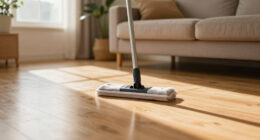
First, familiarize yourself with the specific noise levels associated with various vacuum models. Most manufacturers provide decibel (dB) ratings, which can give you a baseline understanding of how loud or quiet a vacuum will be during operation. However, don’t just rely on these numbers alone. Different vacuums may generate noise in various frequency ranges, and what sounds tolerable to one person might be unbearable to another. You should also take into account the type of surface being cleaned, as this can influence the noise level emitted.
Familiarize yourself with vacuum noise levels and consider how surface types affect sound output.
Next, consider the importance of measuring noise in real-world scenarios. It’s beneficial to test the vacuum in your home environment to gauge its actual sound output. Use a sound level meter to capture the decibel readings while the vacuum is operating. This will give you a more accurate picture of how it performs in practice. Pay attention to different settings, like suction power and attachments. Higher suction settings often lead to increased noise levels, so you’ll want to evaluate how much noise you’re willing to accept for the cleaning power you need.
Once you have a solid understanding of the noise levels, you can explore noise mitigation techniques. This involves looking for features that help to reduce sound output. Some vacuums come equipped with noise-reducing technologies, such as insulated motors or specialized sound dampening materials. These features can considerably lower the noise emitted during use. If you already own a vacuum, consider adding accessories designed for noise reduction, like rubber wheels or quieter brush heads. Additionally, exploring noise reduction technologies can help you find the best options for your needs.
Finally, when comparing options, balance noise levels with performance. A vacuum that operates at a lower decibel level can improve your cleaning experience, making it more enjoyable and less disruptive. Ultimately, being aware of how to measure noise and the available noise mitigation strategies will empower you to choose a vacuum that suits your needs while keeping the peace in your home.
As an affiliate, we earn on qualifying purchases.
Frequently Asked Questions
What Tools Can I Use to Measure Vacuum Noise Levels?
You can use a sound level meter for vacuum noise measurement, which helps you gauge the decibel levels produced by your vacuum. Make sure it complies with noise level standards to ensure accuracy. You might also consider a smartphone app designed for measuring sound, but be aware they can be less precise. Always compare your readings against established guidelines to determine if your vacuum’s noise levels are acceptable for your environment.
How Does Vacuum Noise Affect Equipment Performance?
Vacuum noise can be like a persistent drumbeat, drowning out the smooth hum of your equipment. This disruptive sound not only affects your workspace’s comfort but can also hinder equipment durability. When you don’t prioritize vacuum noise mitigation, vibrations and stress might shorten your machine’s lifespan. By addressing noise levels, you guarantee a quieter environment, safeguarding your equipment’s performance and enhancing its longevity, allowing it to run efficiently for years to come.
Are There Regulations for Vacuum Noise Levels in Workplaces?
Yes, there are regulations for vacuum noise levels in workplaces. You need to familiarize yourself with the applicable regulatory standards for your industry. These standards often set maximum allowable noise levels to ensure employee safety and comfort. To maintain noise compliance, you might consider using quieter models or implementing soundproofing measures. Regularly monitoring noise levels can also help you stay within the required limits and create a better work environment for everyone.
Can Vacuum Noise Impact Human Health?
Yes, vacuum noise can impact your health. Prolonged exposure to high levels of noise pollution, like that from vacuums, can lead to stress, hearing loss, and even cardiovascular issues. If you’re regularly using a vacuum in a noisy environment, it’s essential to contemplate the health implications. Using quieter models or taking breaks can help reduce exposure and protect your well-being, making your cleaning routine healthier and more efficient.
What Is the Typical Noise Level Range for Industrial Vacuums?
If you’re contemplating industrial vacuums, they usually range from 70 to 90 decibels. That’s like standing next to a rock concert! When you’re evaluating sound measurement, keep in mind that noise reduction features can considerably lower these levels. It’s essential to know how loud your vacuum might be, as prolonged exposure can impact your well-being. Always consider the environment and look for vacuums designed with quieter operation in mind.
Conclusion
In summary, evaluating vacuum noise levels is essential for maintaining a comfortable and efficient environment. Did you know that vacuums can emit noise levels ranging from 60 to 90 decibels? That’s equivalent to the sound of a busy street or a lawnmower! By understanding these noise levels, you can choose a vacuum that minimizes disruption while still getting the job done. So, keep your ears in mind—finding the right balance can make all the difference.
Fall Picks
fall essentials
As an affiliate, we earn on qualifying purchases.